
Monotremes: egg-laying mammals of Australia and New Guinea
Monotremes are a small group of mammals (order Monotremata) that lay eggs yet nurse their young. This article summarizes their traits, evolution, reproduction, and conservation.
Monotremes are an unusual lineage of mammals placed in the order Monotremata. Extant members include the platypus and several species commonly called echidnas (or spiny anteaters). They combine a set of anatomical and reproductive features not found together in any other living mammal group: egg-laying, lactation, and a single posterior opening known as a cloaca.
Image gallery
10 Images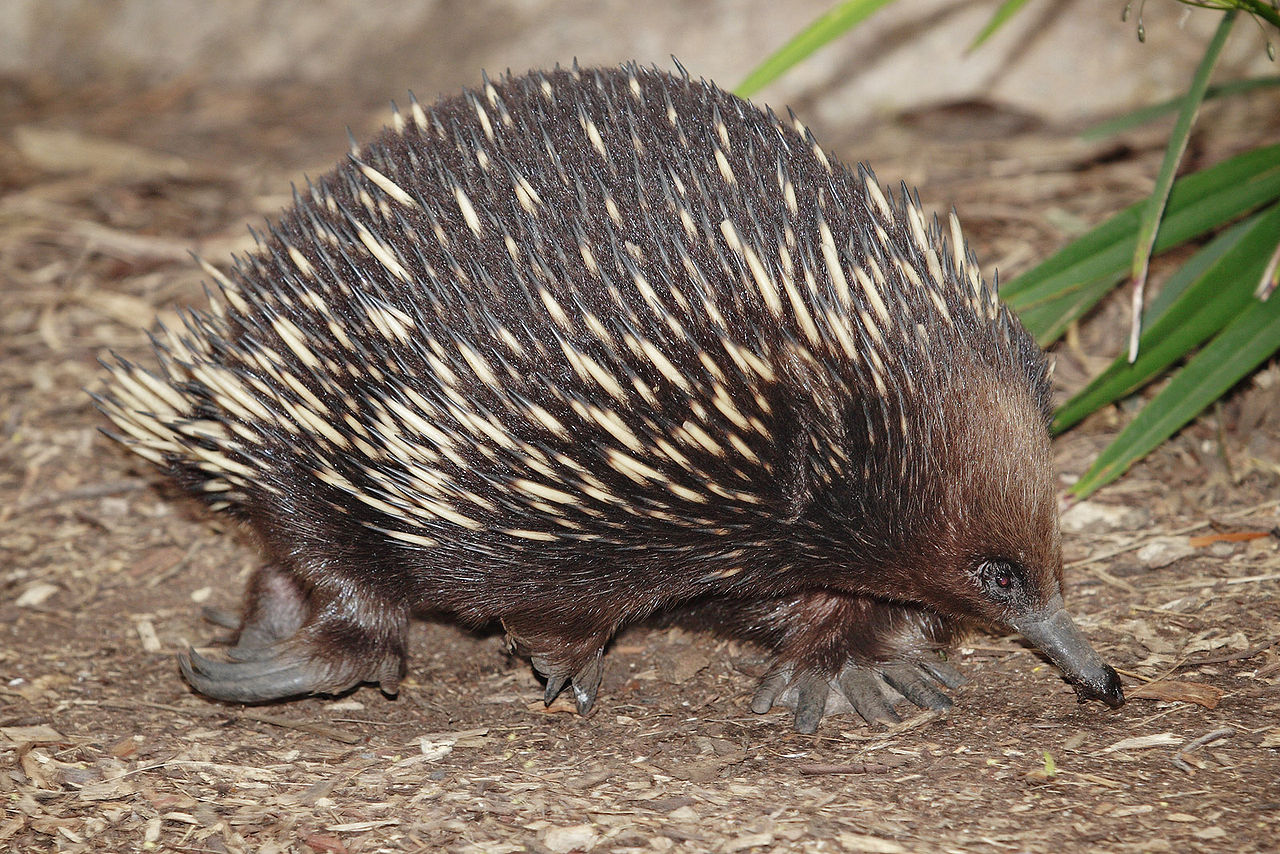



Key characteristics
Monotremes retain a mix of primitive and derived traits. Most conspicuous is their egg-laying habit while also producing milk to feed hatchlings. They have a cloaca, a single orifice used for elimination of urine, transfer of sperm and eggs, and discharge of faeces. Other notable features include a low body temperature relative to other mammals, specialized electrosensory capabilities in the platypus, and, in some species, spines for defense.
Notable species and adaptations
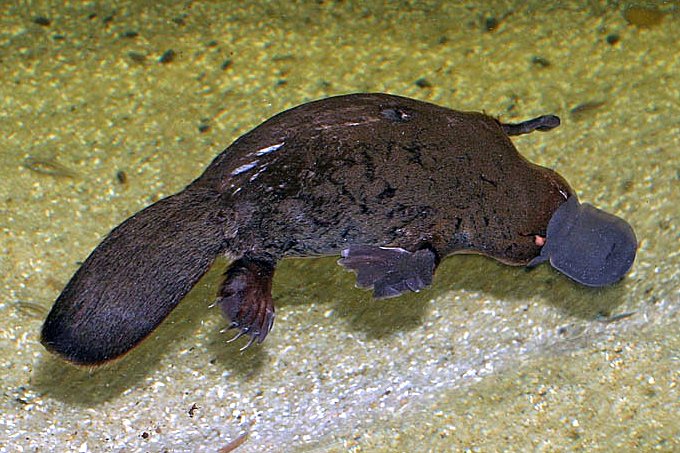
- Platypus — a semi-aquatic species with a duck-like bill that detects prey by electrical signals; males possess a spur capable of delivering venom.
- Echidnas — terrestrial, spiny animals that feed on ants and termites and can curl into a protective ball; they use a long sticky tongue to capture prey.
Evolution and distribution
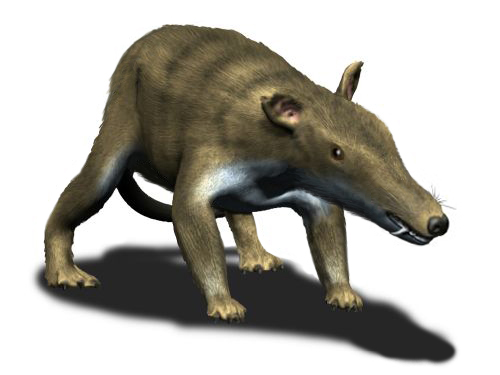
Monotremes represent an ancient branch of mammals with roots extending back to the Mesozoic era. Fossil and biogeographic evidence ties their early history to the southern continents and the breakup of Gondwana. Modern monotremes are native to Australia and New Guinea, where they occupy a range of habitats from aquatic environments to arid interior regions. Their retention of a cloacal anatomy echoes the condition seen in many reptiles and birds and in hypotheses about early tetrapods.
Reproduction and development
Females lay small, leathery eggs that are incubated outside the body for a period before hatching. After hatching, the young are nourished with milk secreted from mammary glands; monotremes lack true nipples, so milk is often expressed onto skin folds or patches. Development is comparatively slow, and parental care varies among species but typically includes protection of burrows or nests and feeding until juveniles become independent.
Importance and conservation
Monotremes are important both scientifically and ecologically. Their combination of traits helps researchers understand mammalian origins and the transition from reptile-like ancestors to modern mammals. In ecosystems they act as insectivores and, in the case of the platypus, as predator in freshwater food webs. Several monotreme populations face threats from habitat loss, introduced predators, and environmental change, making conservation attention a high priority.
For further general background and classification resources see: mammal overview, taxonomic details, and specific entries on egg-laying, milk production, cloacal anatomy, evolutionary context, urinary physiology, and digestive elimination.
Questions and answers
Q: What are monotremes?
A: Monotremes are a group of mammals that lay eggs and feed their babies with milk.
Q: Why are monotremes unique compared to other mammals?
A: Monotremes are unique compared to other mammals because they lay eggs instead of giving birth to live young.
Q: What does the term "monotreme" refer to?
A: The term "monotreme" refers to the common rear opening called the cloaca.
Q: Do all mammals have a cloaca?
A: No, not all mammals have a cloaca. Only monotremes have a common rear opening called the cloaca.
Q: Which other animal groups have a common opening for urine, reproduction, and feces?
A: Amphibia, reptiles, birds, and probably all early tetrapods have a common opening for urine, reproduction, and feces.
Q: How do monotremes feed their babies?
A: Monotremes feed their babies with milk.
Q: Can monotremes and other mammals interbreed?
A: No, monotremes and other mammals cannot interbreed because they are separate groups of animals.
Related articles
Author
AlegsaOnline.com Monotremes: egg-laying mammals of Australia and New Guinea Leandro Alegsa
URL: https://en.alegsaonline.com/art/66130
Sources
- timetree.org : timetree.org/pdf/Madsen2009Chap68.pdf
- species.wikimedia.org : Monotremata
- commons.wikimedia.org : Monotremata