
Jamestown, Saint Helena: Harbour, History and Main Sights
Jamestown is the principal settlement and port of Saint Helena in the South Atlantic, noted for its steep valley, colonial architecture, Jacob's Ladder and links to Napoleon's exile.
Overview
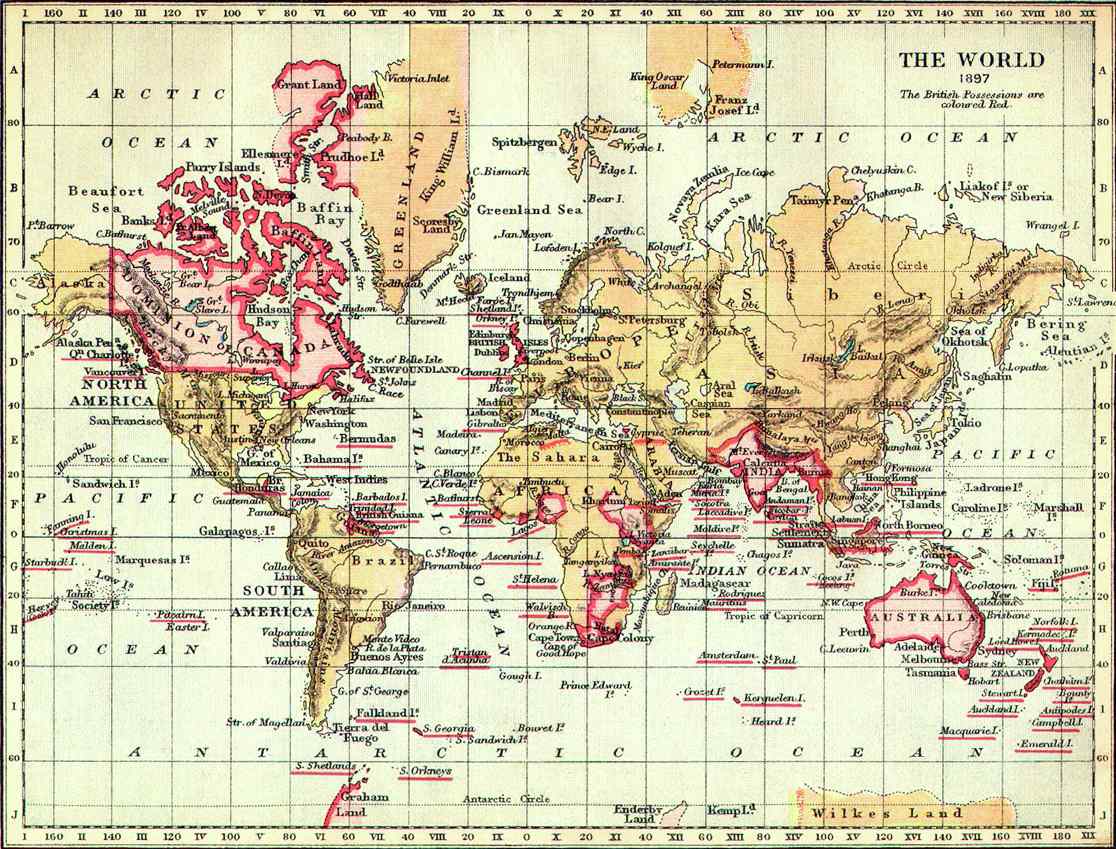
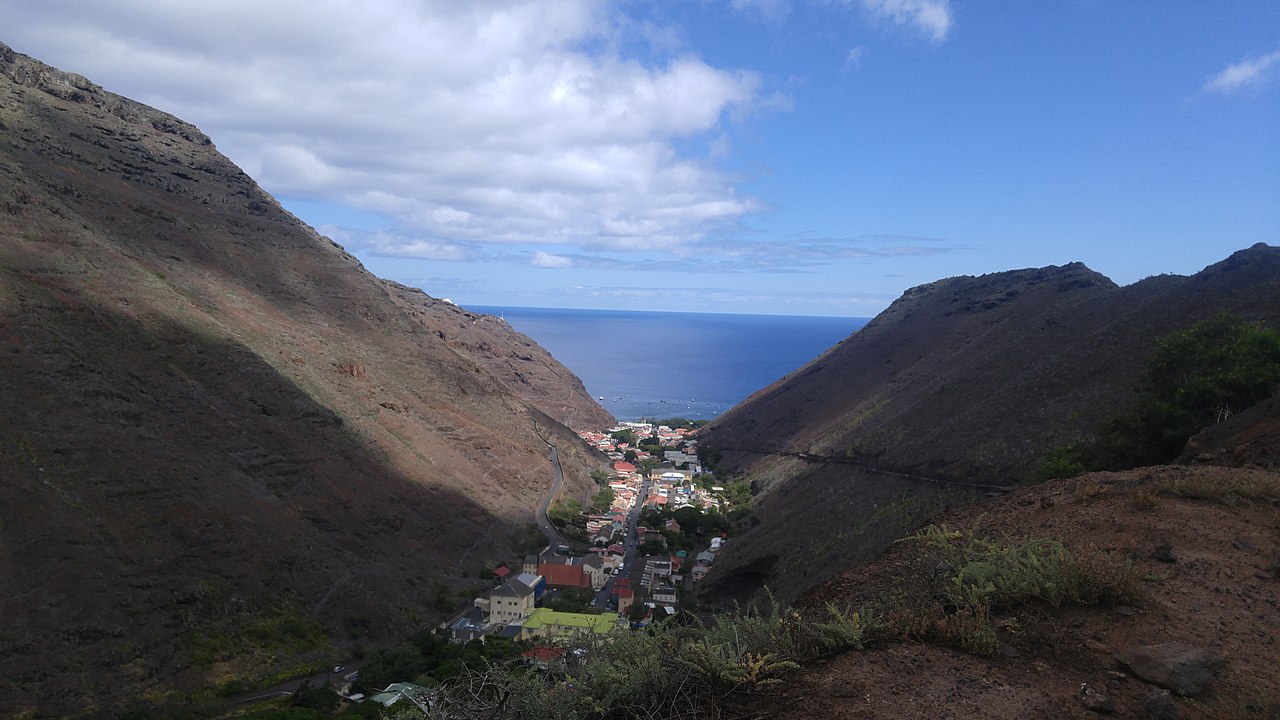
Jamestown is the principal town and chief harbour of the British territory of Saint Helena, a remote mid-Atlantic island. The settlement occupies a narrow valley that opens to a sheltered bay and has historically served as the island's administrative, commercial and transport centre. Though small by global standards, Jamestown remains the island's focal point for government services, local trade and the reception of supplies, and its built character reflects centuries of adaptation to steep terrain and maritime life. For information on the political status and administration see British governance and general material on the island itself.
Image gallery
10 Images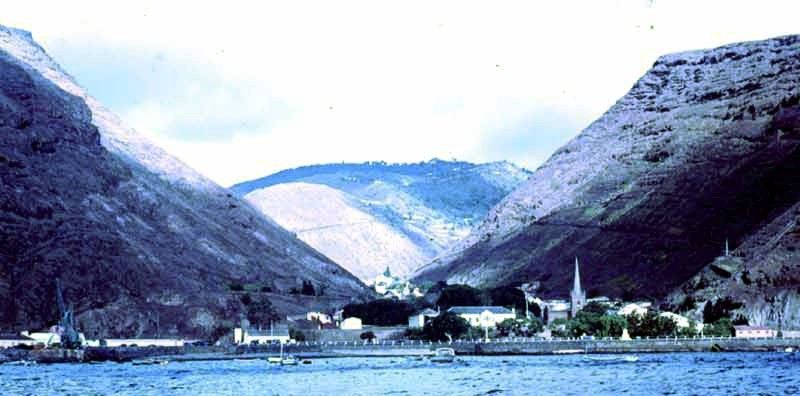




History
Jamestown was established in the mid-17th century by the English East India Company as a victualling and way-station for ships on long routes between Europe and Asia. The town grew up around the harbour and the defensive works placed on the surrounding heights. Its formal foundation is recorded in accounts of the period and related material on the founding. In the early 19th century the island gained global attention when the former French emperor Napoleon was held in exile on Saint Helena from 1815 until his death in 1821; that association has influenced visitor interest and some local commemorations of the period. The town retains vestiges of its colonial-era layout and of the military installations that once guarded the harbour.
Geography and geology
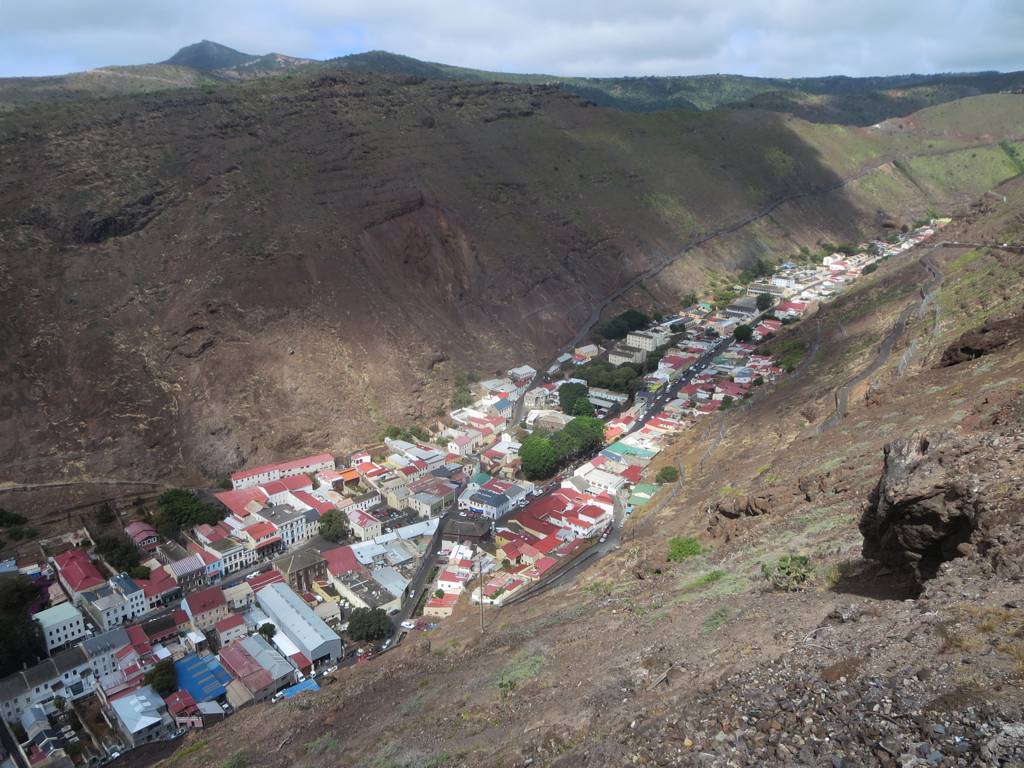
Jamestown occupies a steep-sided valley that funnels down to the sea, with surrounding heights including Ladder Hill and other ridges. Much local construction used materials drawn from the island: buildings frequently incorporate volcanic rock and locally produced lime mortar, so that the built fabric reflects the island's volcanic geology and limited import of construction materials. The combination of narrow streets, steep slopes and stone buildings produces a compact urban character that is readily legible to visitors and researchers alike.
Architecture and townscape
The town contains a variety of 18th- and 19th-century houses, public buildings and churches, often rendered and painted to protect the masonry. Many of these structures are discussed in local surveys of buildings and conservation reports. Public spaces are modest in scale; the main wharf and waterfront area are the busiest parts of town when supply ships are alongside. Ladder Hill, above Jamestown, hosts traces of former barracks and batteries and remains a prominent landscape element associated with the town's historic defences (Ladder Hill).
Jacob's Ladder
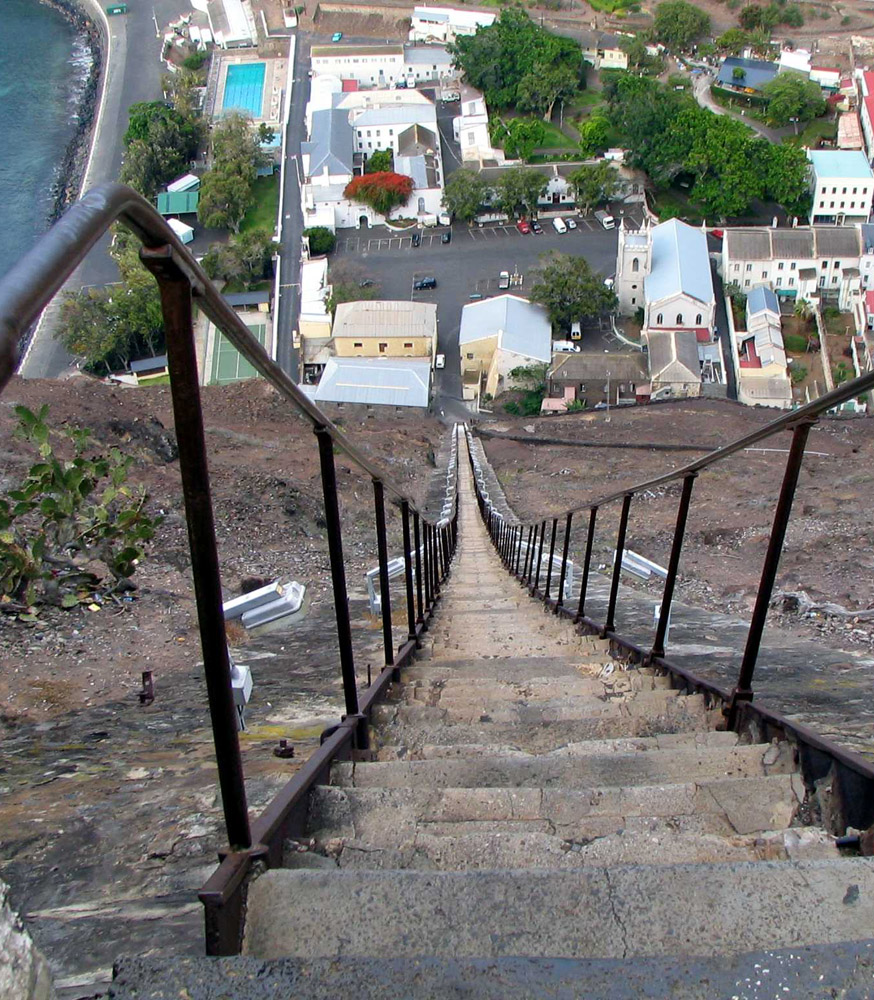
One of the town's best-known features is the steep stepped stairway commonly called Jacob's Ladder. The structure provides a direct route from the town level up toward Ladder Hill and has 699 steps that lead over the escarpment; it was created to facilitate access between the lower harbour and higher military positions and later became a civic and visitor feature. The stairway is often cited in visitor information and event listings and is a frequent subject in photographic and travel accounts (Jacob's Ladder).
Transport, economy and daily life
Jamestown's economy is closely linked to the harbour. The town handles the island's incoming freight and occasional passenger movements and is the distribution point for goods and supplies delivered to homes and businesses across the island. The main harbour area and adjacent wharves remain functional working spaces that shape daily activity, while local employment includes public services, retail, small-scale fisheries and tourism-related work. For details on local population figures and demographics consult material on population.
Tourism, events and culture
Visitors to Jamestown are drawn by its maritime setting, colonial architecture and the historical association with Napoleon. Jacob's Ladder is a particular attraction: it is illuminated on occasion and is used for timed runs and public events that draw both residents and international visitors. Local tourism resources and guides provide details about visiting hours, guided walks and cultural programmes; see advisories intended for tourists and international audiences who travel from afar (global visitors).
Harbour operations and logistics
The town's port facilities are small but essential: the functional pier and warehouse areas receive supplies, fuel and equipment needed by islanders and businesses. Freight operations and the transfer of goods to the island are carefully coordinated; information about port services and cargo handling appears in local operational notes on the port and on the procedures for deliveries to the island. Passenger access has varied over time and prospective visitors should consult up-to-date transport information.
Conservation and local administration
Preserving Jamestown's historic buildings and streetscape is an ongoing challenge in the face of weather, limited local resources and the need to keep infrastructure operational. Conservation work often involves repairing masonry constructed from the island's local rock and managing visitor impact on sensitive areas. The town functions as the administrative centre for local government and community services, and its heritage is interpreted in small museums, plaques and guided walks that aim to present a balanced view of Jamestown's layered past.
Further information
Jamestown illustrates how geography, geology and maritime history can shape a small but resilient community. Readers seeking further detail can consult island archives, published guides and official resources about the town's founding, the role of the East India Company in establishing early settlement patterns, and studies of cultural and architectural heritage. For practical travel planning and local contacts, see resources covering population statistics, visitor services for tourists and historical summaries regarding Napoleon and his time on the island (exile).
Related articles
Author
AlegsaOnline.com Jamestown, Saint Helena: Harbour, History and Main Sights Leandro Alegsa
URL: https://en.alegsaonline.com/art/49309