
Jamshedpur — the Steel City of Jharkhand
Jamshedpur is the largest city in Jharkhand, India, known for its steel industry, planned urban layout and proximity to the Dalma Hills. Founded by Jamsetji Tata, it remains an industrial and educational hub.
Overview
Jamshedpur is the largest city in the Indian state of Jharkhand. Often called Steel City, Tata Nagar or simply Tata, it grew up around a major steel plant and functions as an industrial, commercial and educational centre. According to the 2011 census, the urban area had a population of about 1.3 million people, making it the most populous urban settlement in the state. The city takes its name from Jamsetji Nusserwanji Tata, the industrialist whose vision and investment helped launch the steel industry that shaped the town.
Image gallery
10 Images




Geography and environment
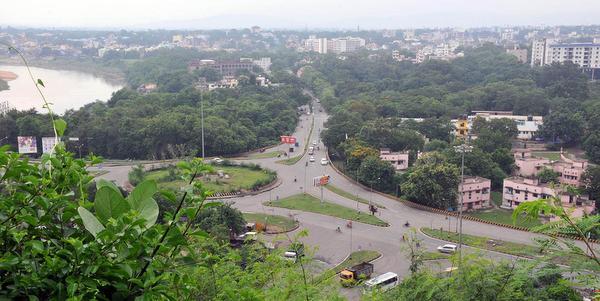
Jamshedpur sits on the Chota Nagpur Plateau and is ringed by the forested Dalma Hills, a range that forms a scenic backdrop and a local recreational area. The urban area is intersected and bounded in parts by the Subarnarekha and Kharkai rivers, which contribute to the region’s drainage and were important to early industrial development. The surrounding hills and nearby protected areas support wildlife and short excursions into semi-decidous forest; the Dalma Hills are a popular weekend destination for residents and visitors alike. For more on regional geography, see resources on the Dalma range at Dalma Hills.
Economy and industry
Industry dominates Jamshedpur’s economy. The city is centered on one of India’s oldest and largest integrated steel plants, established by the Tata group; that enterprise remains a major employer and industrial presence in the city (Tata Steel). Automotive and heavy-equipment manufacturing are also important, with large plants and suppliers producing vehicles, earthmoving machines and components. Over the decades, the industrial cluster has spawned engineering, services and support industries, and the urban fabric includes extensive employee townships, manufacturing zones and green belts that reflect planned growth.
History and urban development
Jamshedpur emerged in the early 20th century alongside the establishment of an integrated steelworks. Jamsetji Tata’s initiative to build a modern steel plant and a model industrial town led to systematic planning, worker housing, health and recreational facilities. The result was a city that combined heavy industry with civic amenities and open spaces. This link between a major corporate group and municipal development shaped Jamshedpur’s identity as a company town with distinctive neighbourhoods and long-standing community institutions.
Education, culture and institutions
Education is an important dimension of the city. Jamshedpur hosts extensive school systems and several higher-education institutions; the city has a reputation for relatively high literacy rates and has historically invested in schools, vocational training and professional education. Notable institutions include management and technical schools that attract students from across the region. The social life of the city reflects a mix of cultures, traditions and festivals, influenced by long-term migration of workers and the presence of corporate-sponsored cultural activities. For information on educational resources and statistics see educational data.
Transport, administration and notable facts
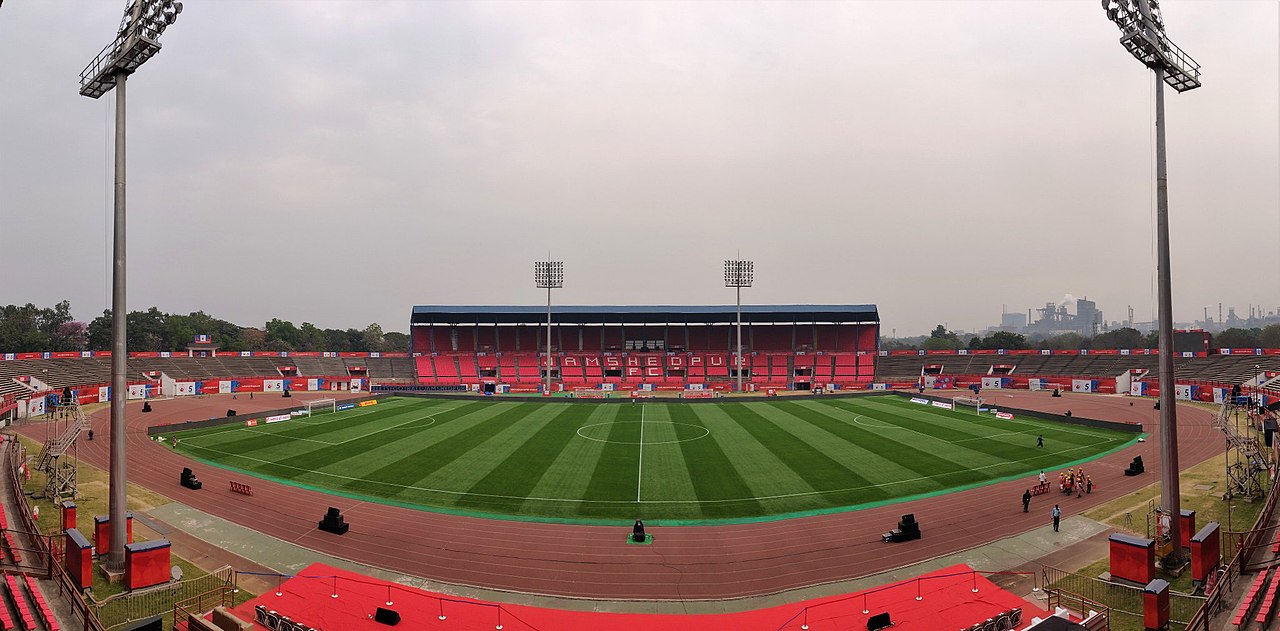
Jamshedpur is connected by road and rail to major Indian cities and regional markets, supporting both passenger movement and industrial logistics. Its status as an industrial hub has produced a network of internal transport, company-managed services and civic infrastructure. While the city is often highlighted for its manufacturing base, it is also known for planned green spaces, sports facilities and proximity to natural attractions in the Dalma Hills. Today Jamshedpur remains a key economic centre in eastern India and a principal city of Jharkhand, known for its industrial heritage and continuing role in steel and engineering sectors.
- Nicknames: Steel City, Tata Nagar
- Founder: Jamsetji Nusserwanji Tata (industrial founder and planner)
- Geographic highlights: Chota Nagpur Plateau, Dalma Hills, Subarnarekha and Kharkai rivers
- Major industry: integrated steel and related manufacturing (Tata Steel)
Questions and answers
Q: What is Jamshedpur?
A: Jamshedpur is a city in the Indian state of Jharkhand.
Q: Who founded Jamshedpur?
A: Jamshedpur was founded by the late Jamshedji Nusserwanji Tata.
Q: What is the population of Jamshedpur?
A: According to the 2011 Indian census, Jamshedpur has a population of 1,337,131.
Q: Why is Jamshedpur called Steel City, TataNagar or simply Tata?
A: Jamshedpur is called Steel City, TataNagar or simply Tata because of its major industries, particularly Tata Steel and Tata Motors.
Q: What are the major rivers that border Jamshedpur?
A: The major rivers that border Jamshedpur are Subarnarekha and Kharkai.
Q: What is the largest factory in Jamshedpur?
A: The largest factory in Jamshedpur is Tata Steel.
Q: How does Jamshedpur's literacy rate compare to other cities in India?
A: Jamshedpur has a high literacy rate, close to the highest in India.
Related articles
Author
AlegsaOnline.com Jamshedpur — the Steel City of Jharkhand Leandro Alegsa
URL: https://en.alegsaonline.com/art/49329
Sources
- census2011.co.in : 2011 Census of India