
Jacques Offenbach
German-born French composer and cellist (1819–1880), a founder of the operetta and composer of Orpheus in the Underworld and Les contes d'Hoffmann, influential in 19th-century musical theatre.
Overview
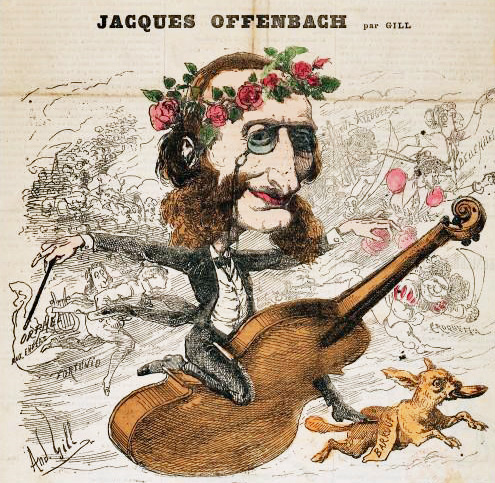
Jacques Offenbach (20 June 1819–5 October 1880) was born in Cologne and died in Paris. A German-born French composer and professional cellist of the Romantic era, he is widely credited as one of the originators of the modern operetta. Of German-Jewish background, Offenbach became one of the most popular and influential writers of light stage music in mid-19th-century Europe.
Image gallery
10 Images




Early life and training
Offenbach received early musical training and achieved recognition as an instrumentalist before concentrating on composition for the theatre. His facility on the cello and his experience as a conductor and accompanist informed his grasp of orchestral color and ensemble writing. He established a compact theatrical style that emphasized tunefulness, brisk pacing and theatrical clarity.
Rise of the operetta and signature works
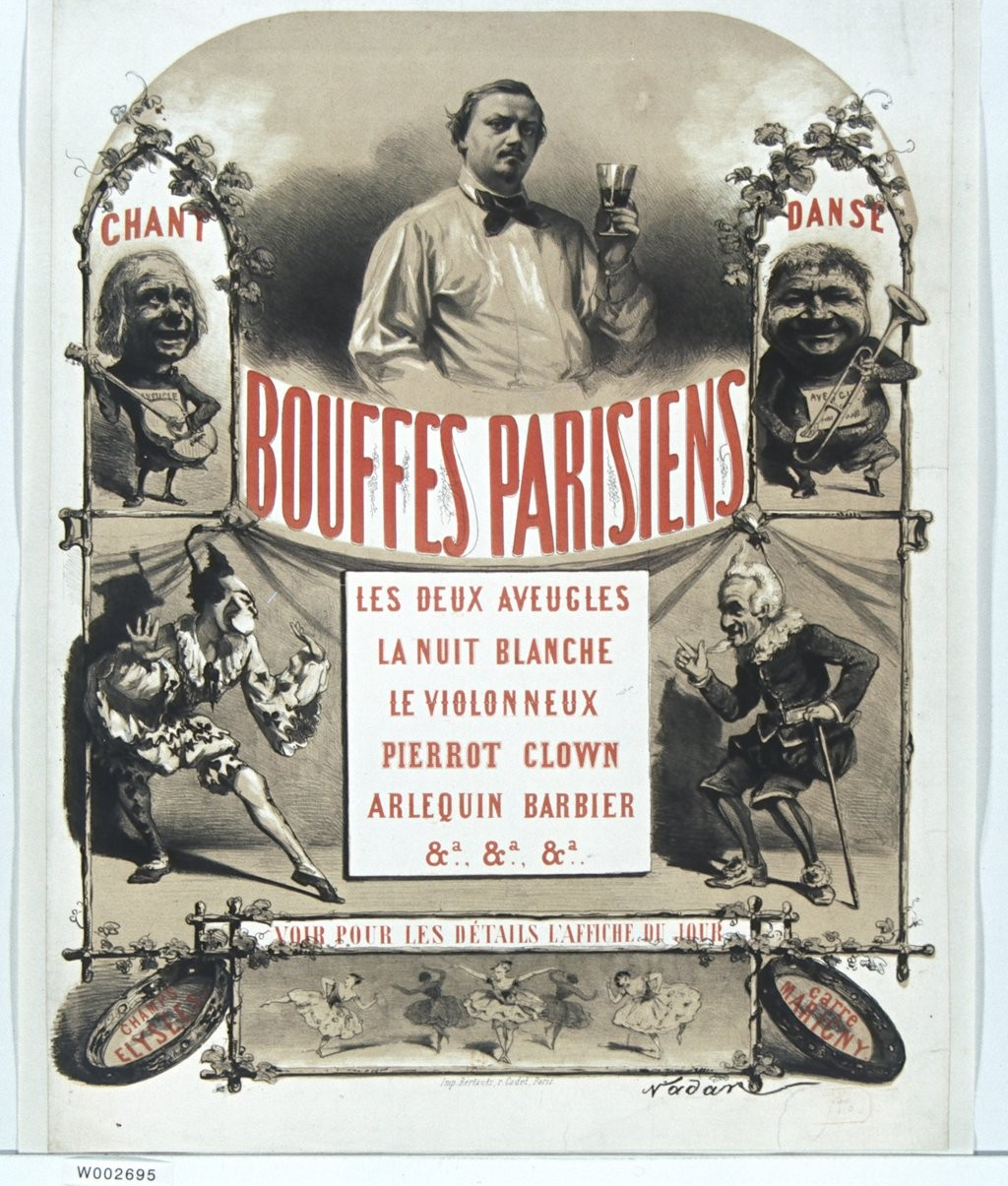
In the 1850s and 1860s Offenbach and his collaborators developed short, sharply scored pieces that combined light plotlines with pointed social and political satire. These works often mocked the conventions of serious grand opera by using musical parodies and comic pastiche. Among his best known pieces are Orpheus in the Underworld, notable for its spirited dance music and satirical edge, and La belle Hélène, a witty reworking of classical myth. Offenbach's theatre companies brought these works to broad urban audiences, shaping popular taste and theatrical practice.
Later career and Les contes d'Hoffmann
Political changes following the fall of the Second Empire affected Offenbach's standing in France and he spent periods away from Paris. Despite these reverses he continued to compose for the stage and in his last years produced the more ambitious, fully operatic score Les contes d'Hoffmann. Left incomplete at his death and completed for performance by others, this work has entered the repertory of major opera houses and has come to represent the more serious facet of his output.
Style and influence
Offenbach's music is characterized by memorable melodies, clear theatrical gestures and lively rhythmic invention. He had a gift for orchestral color that supported comic timing and character. While he is most often associated with entertainment and satire, his writing also shows contrapuntal skill and dramatic insight when required. His innovations influenced later composers of operetta and the emerging traditions of musical theatre across Europe.
Reception and legacy
During his lifetime Offenbach enjoyed immense popular success; after political shifts his reputation in France declined for a time, but it recovered near the end of his life and in subsequent generations. Many of his tunes and overtures remain in concert programs and recordings. Today his oeuvre is regarded as bridging the worlds of light entertainment and the serious stage, and his works are studied for both their craft and their social commentary.
Selected works
- Orpheus in the Underworld — satirical mythological operetta
- La belle Hélène — comic reworking of the Helen of Troy story
- La Vie parisienne — urban social comedy
- Les contes d'Hoffmann — late operatic work blending fantasy and drama
Scholars and performers continue to reassess Offenbach's place in 19th-century music. For introductory surveys, historical editions and recordings consult library catalogues and authoritative music histories. Further information about his life, productions and surviving manuscripts is available through national collections and specialized musical institutions; several online catalogues and reference entries provide chronologies and repertory lists for study and performance.
Selected references and resources often link biographical overviews with modern critical editions; for practical details on scores and performance materials, consult institutional archives and dedicated music publishers. Readers seeking primary sources or modern editions should check national libraries, conservatory collections and theatrical archives for authoritative materials.
For related topics see entries on 19th-century French theatre, the development of operetta and the transformation of popular musical culture during the Second Empire. Further reading and performance notes are available via scholarly guides and curated collections.
Place references: Cologne, Paris. Key topics: composer, cellist, Romantic era, operetta, satire, grand opera, parodies, operatic, Les contes d'Hoffmann, opera houses, and cultural background: German-Jewish.
Related articles
Author
AlegsaOnline.com Jacques Offenbach Leandro Alegsa
URL: https://en.alegsaonline.com/art/49057