
Jacques Prévert: poet, screenwriter, and popular voice of 20th-century France
Overview of Jacques Prévert (1900–1977): his life, plainspoken poetry, film work including Les Enfants du Paradis, collaborations, themes, and continuing influence in French culture.
Jacques Prévert (4 February 1900 – 11 April 1977) was a prominent French poet and screenwriter whose work became embedded in 20th-century French culture. Known for verse that blends everyday language, playfulness, and social awareness, he reached a wide audience outside academic circles. He was also active in cinema and song, and is often remembered for his contribution to the scenario for Les Enfants du Paradis.
Image gallery
3 Images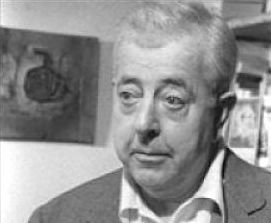


Style and themes
Prévert's poetry favors clear, conversational lines over ornate diction. He often used simple syntax, repeated refrains and striking images to mix humor with melancholy. Common themes include love and loss, childhood and memory, the routines of daily life, and gentle satire of authority and hypocrisy. His work is accessible, relying more on rhythm and emotional immediacy than on difficult hermetic techniques, which helped his poems to be memorized, recited and set to music.
Work in film and music
Alongside his poetic output, Prévert wrote scripts and collaborated with filmmakers and composers. He worked closely with director Marcel Carné and with composer Joseph Kosma; several of his poems were adapted into songs, the best known being the melancholic "Les Feuilles mortes" ("Autumn Leaves"), which reached international popularity. His film work shows the same affection for ordinary people and ironic observation of social mores that appear in his verse. He is often described as both a respected poet and a skilled screenwriter.
Life and collaborations
Born in Neuilly-sur-Seine to André Prévert and Suzanne Catusse, Jacques Prévert spent much of his life in and around Paris, moving in artistic and theatrical circles. He formed close creative partnerships with painters, actors and musicians, and his texts found new audiences through theater productions and popular recordings. Prévert's personal life included two marriages: to Simone Dienne (married 1925, divorced 1946) and later to Janine Tricotet (from 1947 until his death).
Selected works and legacy
- Paroles — a broadly read collection that brought many of his poems to a popular audience.
- Screenplays and film scenarios, most notably for films associated with the French poetic realism movement.
- Poems adapted into songs, which helped spread his language outside France and across generations.
Prévert's influence persists in how contemporary French writers, musicians and directors think about plainspoken lyricism and human-scale storytelling. His poems remain included in school anthologies, his lines are regularly quoted, and his collaborations continue to be staged, recorded and studied. For readers new to Prévert, short, evocative poems and his film work are accessible entry points to a voice that combines whimsy, empathy and a populist sensibility.
For more detailed study of his poems, films and musical collaborations, consult critical editions and documentary sources that collect his texts and contextual essays. His work exemplifies how mid-20th-century French culture mixed popular and literary forms to reach broad audiences.
Related articles
Author
AlegsaOnline.com Jacques Prévert: poet, screenwriter, and popular voice of 20th-century France Leandro Alegsa
URL: https://en.alegsaonline.com/art/49061
Sources
- notablebiographies.com : "Jacques Prévert"
- totalfilm.com : 50 Greatest Foreign Language Films; Les Enfants Du Paradis (1945)