
Opera house: architecture, history, and cultural role
An opera house is a purpose-built performing arts building for staged opera and ballet; this article explains its design, history, notable examples and contemporary uses.
Overview
An opera house is a specialised theatre designed principally for staged operas and often for ballets. Unlike multipurpose venues, opera houses prioritise a combination of dramatic sightlines, orchestral sound and stage facilities that support complex sets, costumes and live singers. They share many features with a traditional theatre, but their internal arrangement, acoustical treatment and backstage machinery frequently reflect the demands of operatic production.
Image gallery
10 Images


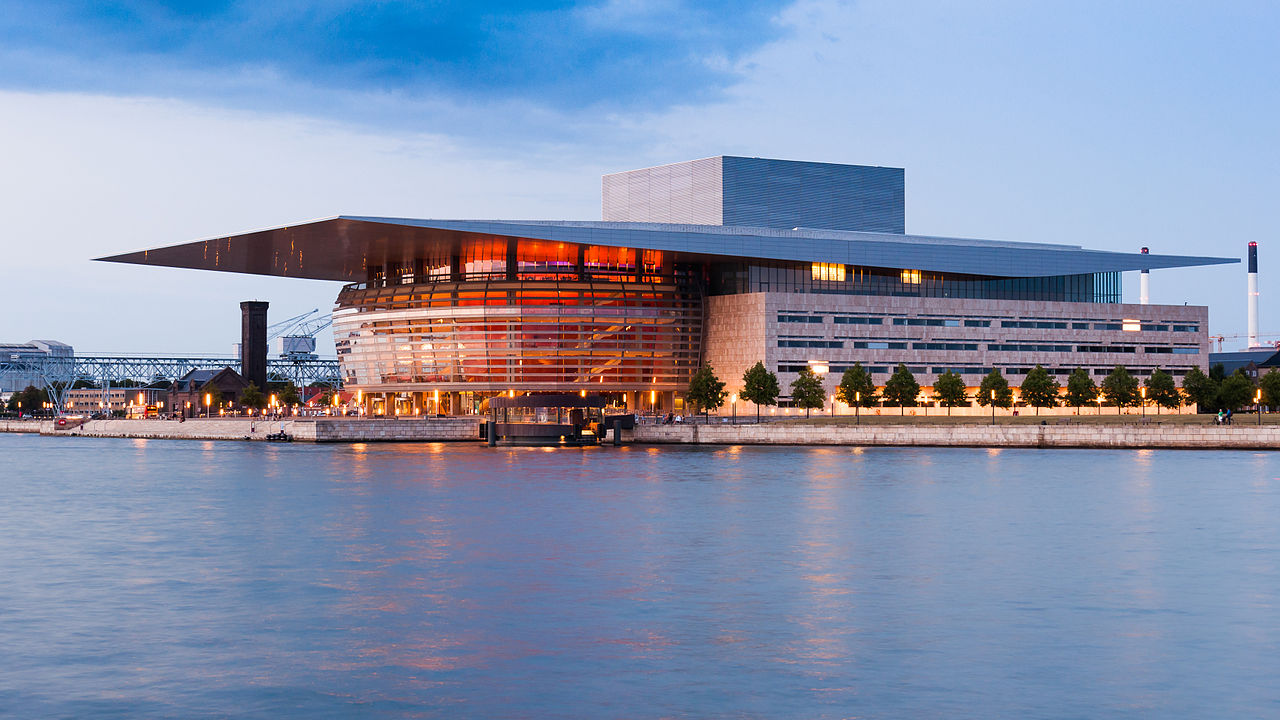


Design and principal spaces
Typical opera-house layouts include a raised stage framed by a proscenium, with a main curtain that can be opened and closed at the start and end of scenes; this curtain is both decorative and functional in timing scene changes and managing acoustics (curtain). Directly in front of the stage sits an orchestra pit, set slightly lower than stage level so musicians do not block the audience's view (orchestra pit). The audience area, or auditorium, is commonly arranged in a horseshoe or fan shape to bring listeners close to the performers and to support warm acoustics.
Auditoriums often include several levels: stalls or orchestra seating on the ground floor, tiers of private boxes that historically accommodated patrons and VIPs, and one or more balconies and galleries at higher levels. Sightlines and acoustics are balanced by the room's volume, materials and geometry. Behind and above the stage are expansive fly towers and wings that allow scenery, curtains and lighting bars to be raised and lowered during performance. Modern houses also include rehearsal rooms, dressing rooms, costume and prop workshops, and technical control rooms.
History and development
Permanent opera houses appeared in the early 17th century. The first were built in the 1630s in Italy, roughly three decades after the earliest operas were composed, responding to growing public and aristocratic demand for staged musical drama (1630s). Over the following centuries the form and ornament of opera houses evolved: Baroque and Classical era houses emphasized lavish interiors and intimate boxes, 19th-century houses increased in size to accommodate larger orchestras and expanding repertoires, and 20th- and 21st-century designs have incorporated new materials and acoustic engineering to serve contemporary production needs.
Notable examples
Several opera houses are widely recognised for their history, architecture or cultural role. Historic and flagship institutions include Milan's Teatro alla Scala (La Scala), London's Royal Opera House in Covent Garden (Royal Opera House, London), New York's Metropolitan Opera House (Metropolitan Opera House), San Francisco's War Memorial Opera House (War Memorial Opera House), Moscow's Bolshoi Theatre (Bolshoi Theatre, Moscow), and the architecturally distinctive Sydney Opera House in Sydney. Each of these venues illustrates different traditions of staging, acoustical priorities and public engagement.
Uses and contemporary importance
Beyond presenting fully staged operas and ballets, modern opera houses host concerts, recitals, festivals, community programs and educational outreach. They act as cultural hubs that sustain local artistic companies, support composers and choreographers, and provide employment for a wide range of technical and artistic professionals. Many houses balance preservation of historic interiors with upgrades for accessibility, safety and digital production techniques.
Distinctions and considerations
- Opera house vs concert hall: although both present music, opera houses include complex stage facilities and focus on combined theatrical presentation of music, drama and visual design.
- Acoustics and architecture: successful houses combine aesthetic design with careful acoustic planning; materials, ceiling height and audience volume all influence sound quality.
- Public role: opera houses can reflect civic ambition and patronage; grand municipal theatres were often built to announce cultural status, while many modern projects emphasise inclusivity and diverse programming.
For readers seeking more detail about specific buildings, productions or the evolution of staging technology, specialist books and institutional web resources provide in-depth histories, technical drawings and performance archives. Performance schedules and visitor information for particular houses are typically available from the institutions themselves (La Scala, Royal Opera House, Metropolitan Opera House, Sydney Opera House). This overview highlights the principal features that distinguish opera houses as unique and enduring venues within the performing arts.
Questions and answers
Q: What is an opera house?
A: An opera house is a building where operas and ballets are performed, similar to a theatre.
Q: When were the first opera houses built?
A: The first opera houses were built in the 1630s in Italy, about thirty years after the first operas were written.
Q: What is located in front of the stage?
A: In front of the stage is an orchestra pit which is a little lower than the stage so that the audience can still see the stage.
Q: What shape is typically found for an auditorium?
A: The auditorium of an opera house is often horse-shoe shaped.
Q: Where are some famous opera houses located around the world?
A: Some of the most famous opera houses in the world are Teatro alla Scala (or “La Scala”) in Milan, Royal Opera House in Covent Garden, London, Metropolitan Opera House in New York, War Memorial Opera house in San Francisco, Bolshoi Theatre in Moscow and Sydney Opera House in Sydney.
Q: How many tiers (storeys) of boxes are usually found round stalls?
A: Round stalls there are two or three tiers (storeys) of boxes.
Related articles
Author
AlegsaOnline.com Opera house: architecture, history, and cultural role Leandro Alegsa
URL: https://en.alegsaonline.com/art/72800