
Jacques Plante: Innovator and Iconic NHL Goaltender
Biography and legacy of Jacques Plante, the Canadian goaltender who popularized the protective mask, excelled with the Montreal Canadiens, and influenced modern goaltending techniques and equipment.
Overview
Joseph Jacques Omer Plante (January 17, 1929 – February 27, 1986), commonly known as Jacques Plante, was a Canadian ice hockey player best known for his role as a pioneering goaltender. During a long career that began in junior and minor leagues and developed into a celebrated major-league tenure, Plante combined technical skill with a readiness to experiment. He is widely remembered both for on-ice achievements with the Montreal Canadiens and for off-ice contributions to equipment design and playing methods that shaped the modern position.
Image gallery
6 Images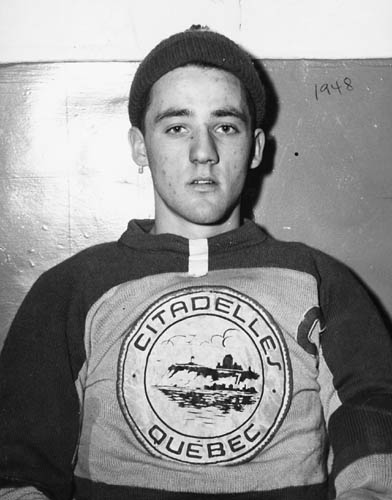



Playing career and achievements
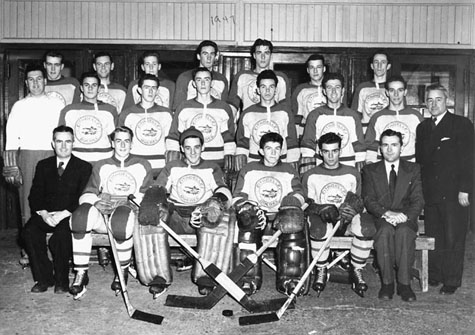
Plante began playing organized hockey as a youth in Quebec and reached the professional ranks as a teenager. He became the Canadiens' starting netminder in the 1950s, a period when Montreal dominated the National Hockey League and captured multiple Stanley Cup championships. Known for patience, puck-handling skill and tactical intelligence, Plante earned several individual honors and was central to his team’s repeated success. Later in his career he returned to the NHL for spells with other clubs and also participated in the new World Hockey Association era.
Innovations and style
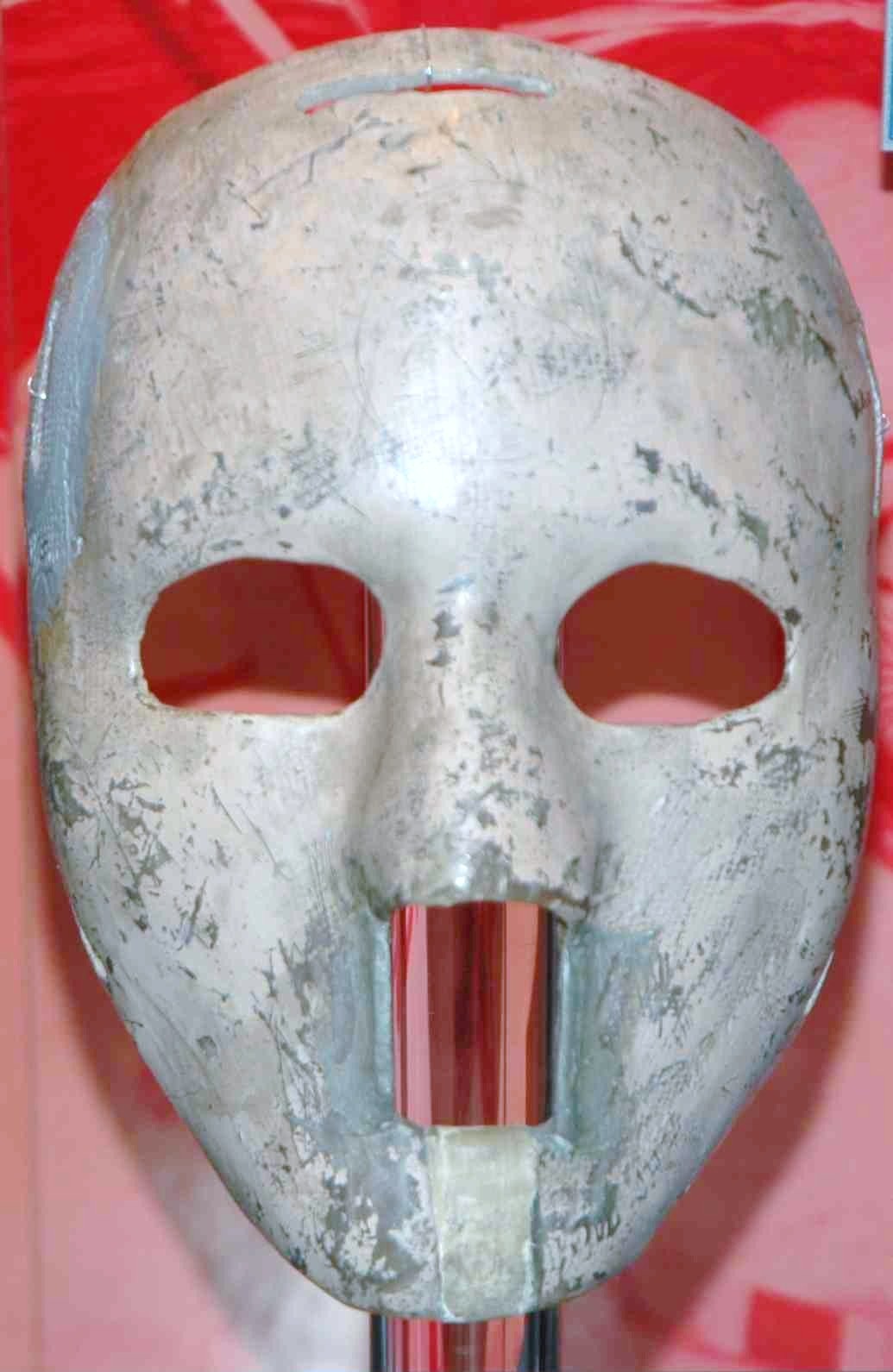
Plante is often described as an inventor and innovator in the sport. Most famously, he was the first NHL goaltender to regularly wear a protective face mask during games. Initially a practical response to repeated facial injuries, his adoption of the mask—after testing several designs—helped change attitudes about safety in hockey. Plante also worked on refinements that anticipated later helmet-and-cage combinations, and he experimented with materials and shaping to improve visibility and protection.
Beyond equipment, Plante influenced how goalies participate in play. He frequently left his crease to play the puck and help his defensemen, a tactic that expanded the goaltender’s role in transition play. He communicated strategically with teammates from behind the net, using his vantage point to direct defensive positioning and anticipate opponents’ moves. These habits contributed to a more active, cerebral model of goaltending that is common today.
Later career and roles
After initially retiring in the mid-1960s, Plante returned to major-league hockey to play for several teams. He suited up for clubs such as the Toronto Maple Leafs and the Boston Bruins, and he helped provide veteran presence and coaching insight. Plante also joined the St. Louis club late in his career and moved into coaching and management with the Quebec Nordiques organization when the WHA formed. He played for the Edmonton Oilers as the WHA continued, then finally stepped away from playing during the mid-1970s.
Legacy, honors and distinctions
Plante’s influence was recognized with selections to halls of fame and other honors. He was inducted into the Hockey Hall of Fame, and later selections and ceremonies commemorated his role in club history and the evolution of the goaltending position. The Canadiens retired his sweater number as a mark of esteem. In Quebec and beyond he is remembered as a player who blended technical excellence with foresight about safety and tactics.
Personal life and final years
Born and raised in Shawinigan Falls, Quebec, Plante was the eldest of a large family and married during his early adulthood; he had children and later lived in Europe for part of his life. In the 1970s he spent time in Switzerland, and he died in Geneva after a brief illness. He was buried in Sierre, and his memory endures among hockey historians, equipment designers and fans.
Selected highlights
- Early professional debut and rise to prominence in Canadian and North American leagues (ice hockey, professional).
- Multiple championship seasons with the Montreal Canadiens and repeated appearances in the playoffs, including several Stanley Cup wins.
- First modern regular use of a protective goalie mask and development of improved designs.
- Later involvement in the WHA as coach, manager and player with teams such as the Quebec Nordiques and the Edmonton Oilers.
- Recognition by the Hockey Hall of Fame and other institutions for lasting contributions to the sport.
Although he played in a different era, Jacques Plante’s combination of performance, protective innovation and tactical thinking left a clear imprint on the way the goaltending position is understood and practiced today.
Questions and answers
Q: Where was Joseph Jacques Omer "Jake the Snake" Plante born?
A: Joseph Jacques Omer "Jake the Snake" Plante was born in Shawinigan Falls, Quebec.
Q: When did Plante start playing organized hockey?
A: Plante started to play organized hockey at age 12.
Q: How many times did the Montreal Canadiens win the Stanley Cup while Plante played for them?
A: The Montreal Canadiens won the Stanley Cup six times while Plante played for them, including five wins in a row.
Q: What team did Plante join after he first retired in 1965?
A: After his first retirement in 1965, Plante was asked to come back to the NHL to play for a new team, the St. Louis Blues.
Q: What invention is Jake the Snake most known for?
A: Jake the Snake is most known for being the first NHL goaltender to always wear a mask when playing.
Q: What other accomplishments does Jake have besides inventing goalie masks?
A: Besides inventing goalie masks, Jake was also considered one of the most important inventors in ice hockey and was credited with being one of the first goaltenders to regularly play outside his crease and instruct teammates from behind plays due to having a better view of what's happening on ice. He was inducted into both Hockey Hall of Fame and Quebec Sports Pantheon as well as had his sweater #1 retired by Montreal Canadiens in 1995.
Q: Who were some of Jake's family members?
A: Jake had 11 siblings and two sons named Michel and Richard with his wife Jacqueline Gagné whom he married 1949; later on he met Raymonde Udrisard who became his second wife with whom they eventually moved to Switzerland together.
Related articles
Author
AlegsaOnline.com Jacques Plante: Innovator and Iconic NHL Goaltender Leandro Alegsa
URL: https://en.alegsaonline.com/art/49060