
Isaiah: The Eighth‑Century Prophet and the Book That Bears His Name
Isaiah was an influential prophet in the Hebrew Bible whose life and writings shaped Jewish, Christian, Islamic and Bahá'í traditions. The Book of Isaiah addresses judgment, hope and restoration.
Overview
Isaiah is a central prophetic figure in the religious traditions of Judaism, Christianity, Islam and the Bahá'í Faith. He is traditionally described as a prophet who delivered oracles on behalf of God. His activity is dated to the eighth century BCE, a period of political turmoil and social change in the ancient kingdoms of Israel and Judah. The Hebrew name Isaiah is usually rendered as meaning "the Lord is salvation", and that etymology is rooted in the Hebrew language.

Image gallery
10 Images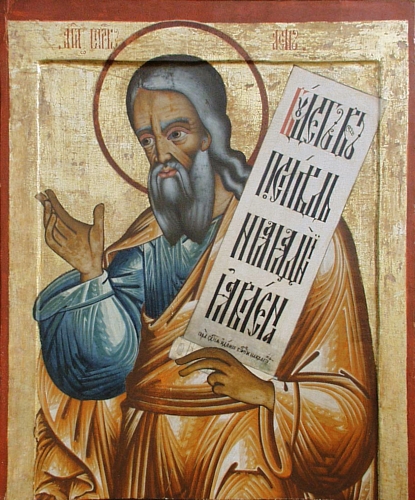

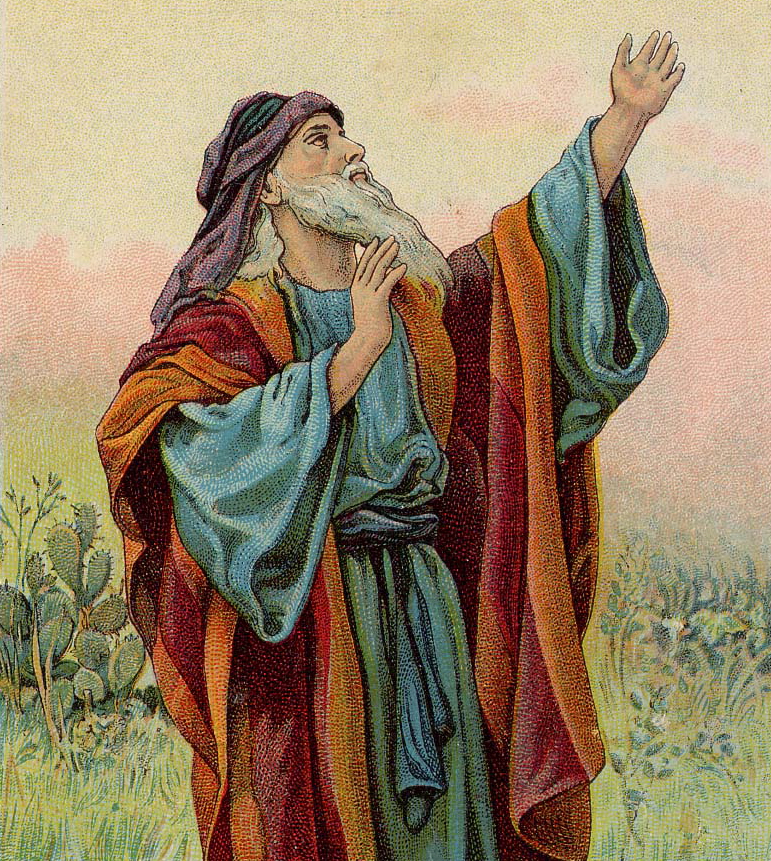


The Book of Isaiah
The book that bears his name is a major work in the Hebrew Bible and the Christian Bible, often placed among the Major Prophets in the Old Testament. It combines poetry, narrative and courtroom-style speeches to address political leaders and ordinary people. Themes include divine judgment, social justice, the consequences of foreign alliances, and promises of restoration. Christians often interpret portions of the book as messianic prophecy pointing to Jesus, a reading that Jewish tradition does not accept in the same way.
Structure and characteristics
- Scholars commonly divide the book into three broad sections: First Isaiah (chapters 1–39), dealing largely with the prophet’s public ministry and the immediate political context;
- Second Isaiah (chapters 40–55), written during or after the Babylonian exile and offering consolation and hope;
- Third Isaiah (chapters 56–66), reflecting concerns of the post‑exilic community about restoration and ethical renewal.
Life and historical context
Traditional accounts place Isaiah in Jerusalem during the reigns of several Judean kings and identify him as the son of Amoz. He addressed issues such as idolatry, the treatment of the poor, and the diplomatic choices of Judah’s rulers. Later traditions—both Jewish and Christian—report a violent death: some sources say he suffered execution during the reign of King Manasseh. These later narratives are part of religious memory rather than contemporary historical record.

Interpretation, reception and legacy
The writings attributed to Isaiah have been central to liturgy, theology and art. Jewish readers have long valued the book for its calls to covenantal fidelity and social justice; Christian readers have highlighted passages seen as foreshadowing the life and mission of Christ; Muslim tradition recognizes Isaiah as a prophet within a broader prophetic history; the Bahá'í Faith also cites Isaiah among earlier prophetic figures. Because of its literary range and theological depth, Isaiah has inspired commentary, poetry, and visual art—most famously representations such as those by Michelangelo—and continues to be studied both as scripture and as historical literature.

Notable facts and distinctions
- Isaiah’s book is notable for vivid imagery and extended poetic passages that have influenced religious and secular literature alike.
- Interpretive differences between traditions—Jewish, Christian and Muslim—illustrate how one text can be read in multiple theological frameworks: for example, Jews and Christians read many passages differently with respect to messianic expectation and fulfillment.
- The figure and writings of Isaiah serve as a case study in the study of prophetic literature: their composition, editorial history and reception history remain active areas of scholarship.
For introductions to the figure and book in various faith contexts, see resources on Isaiah in Jewish tradition (Judaism), Christian interpretation (Christianity), Islamic references to Biblical prophets (Islam), and comparative faith perspectives (Israelite history and the Book of Isaiah).
Related articles
Author
AlegsaOnline.com Isaiah: The Eighth‑Century Prophet and the Book That Bears His Name Leandro Alegsa
URL: https://en.alegsaonline.com/art/48327