
Ishman Bracey
Ishman Bracey was an early Mississippi Delta blues singer and guitarist, active in the late 1920s; his sparse recordings are valued examples of regional blues and early commercial field recordings.
Overview
Ishman Bracey (often spelled Ishmon; born around 1900, died 1970) was a singer and guitarist associated with the Mississippi Delta blues tradition. He came from rural Mississippi and is remembered primarily for a small number of late-1920s commercial recordings that capture a direct, personal strand of early country blues. His exact birth year is uncertain, and contemporary sources use both spellings of his first name.
Image gallery
1 Image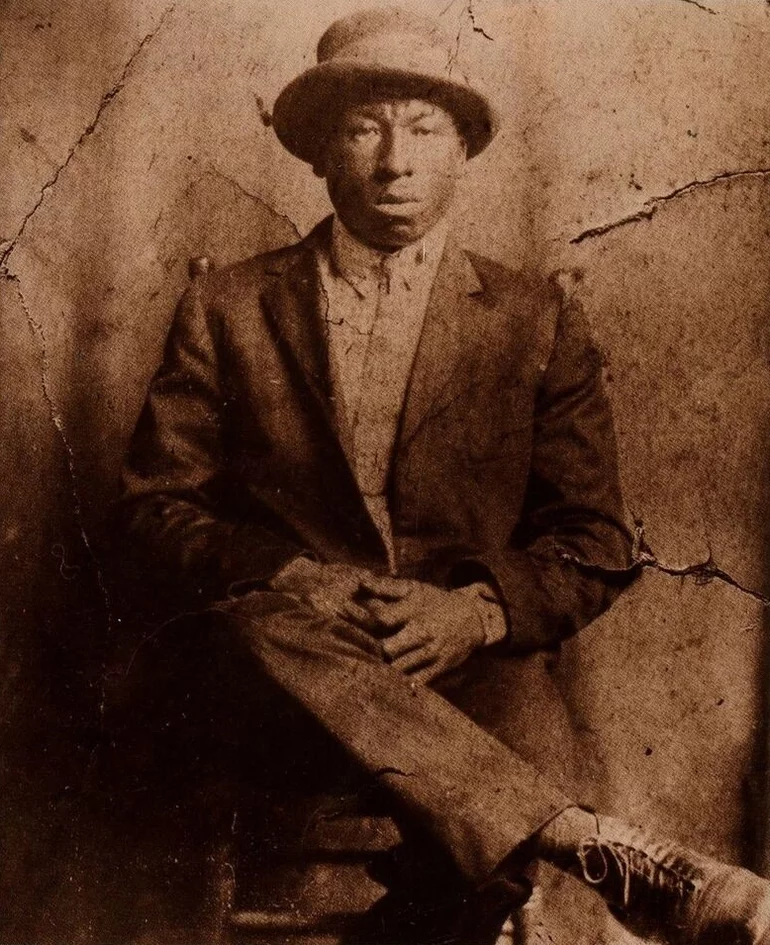
Musical style and recordings
Bracey performed solo, accompanying his singing with an economical, rhythmic guitar style. His performances exemplify the pared-down approach common to many Delta artists: clear, often plaintive vocals paired with chordal or rhythmic guitar rather than elaborate instrumentation. He recorded for commercial labels during the late 1920s when record companies made field trips to the South to document regional folk and blues musicians. Those sessions constitute most of his surviving recorded legacy.
Typical themes in his songs reflect travel, hardship, relationships and everyday life. Although not as widely famous as some contemporaries, his recordings are regarded as authentic examples of the period and region and are often included on historical compilations of early American blues.
Context and contemporaries
Bracey worked in the same broad musical environment as better-known Delta figures of the 1920s and 1930s. Like those peers, he combined African American vernacular vocal styles with rural guitar techniques that influenced later generations of blues and roots musicians. After his brief recording career he returned to ordinary work in his community and, like many early bluesmen, left only a modest recorded footprint.
Legacy
- Recordings: Limited but historically significant; reissued on various anthologies.
- Style: Representative of solo Mississippi Delta blues—direct singing with guitar accompaniment.
- Notability: Valued by collectors and scholars for their documentary value and period authenticity.
Bracey's work remains a useful reference point for listeners and researchers tracing the development of country blues in the American South.
Related articles
Author
AlegsaOnline.com Ishman Bracey Leandro Alegsa
URL: https://en.alegsaonline.com/art/48370