
Isambard Kingdom Brunel
Profile of Isambard Kingdom Brunel, the 19th-century British engineer whose railways, ships and bridges advanced transportation and industrial engineering.
Overview
Isambard Kingdom Brunel (1806–1859) was a prominent English civil and mechanical engineer who led ambitious projects across rail, maritime and public works during the Victorian era. Born in Portsea, Portsmouth, he became one of the most celebrated and controversial figures of nineteenth‑century engineering, known for combining bold vision with practical invention. Brunel's work had lasting influence on railway practice, ship construction and bridge design.
Image gallery
10 Images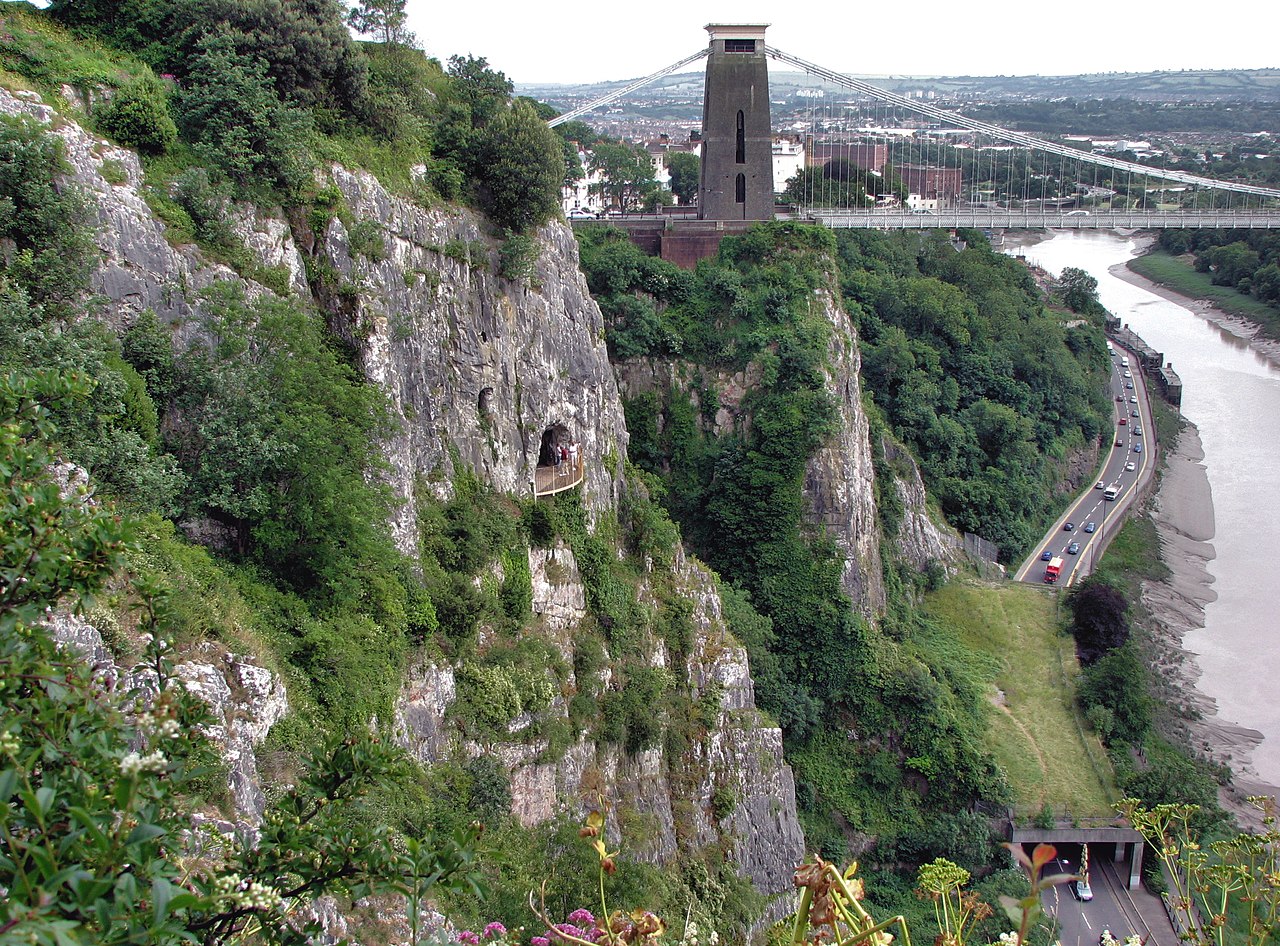


Early life and professional formation
Brunel was the son of the French‑born engineer Marc Isambard Brunel and received both continental schooling and hands‑on training in Britain. He learned mechanical drawing, workshop methods and project management at a time when engineering was professionalizing. Early in his career he assisted with tunnelling and dock projects and rapidly moved on to lead large teams for major transport schemes.
Major projects and achievements
Brunel's career included a string of high‑profile undertakings that pushed contemporary practice. He designed and built the Great Western Railway, a trunk line intended to link London with the west of England and Wales; his route planning and station designs emphasized smooth curves and heavy gradients to support faster, more comfortable travel. As a ship designer and builder he produced pioneering iron steamships that combined new materials with screw propulsion. His work on bridges and tunnels ranged from suspension bridges spanning dramatic valleys to lengthy cuttings and bored tunnels beneath rivers and urban areas.
- Railways: chief engineer of the Great Western Railway and proponent of a wider track gauge intended to improve speed and stability; involved in experiments with atmospheric propulsion.
- Ships: designer of the SS Great Britain, an early ocean‑going iron ship with screw propulsion, and later the much larger SS Great Eastern, intended for long transoceanic service.
- Bridges and tunnels: responsible for designs including the Clifton Suspension Bridge (his design, completed after his death) and for work on river crossings and structures that remain landmarks.
Innovations, debates and technical approach
Brunel combined practical engineering knowledge with a readiness to adopt new materials and methods. He favored broad track gauge for perceived advantages in speed and ride quality, a stance that became central to the mid‑century "gauge wars" between competing railway standards. He also trialled atmospheric railway technology in southwest England; the experiment demonstrated limitations of the system and was ultimately discontinued. Brunel's projects often involved complex logistics, large workforces and ambitious timetables, and they exposed him to both professional praise and fierce criticism.
Legacy and later years
Brunel's buildings, ships and infrastructure reshaped transport in Britain and influenced engineering abroad. Many of his surviving works are listed and celebrated as milestones in industrial history. He died in 1859 after a period of illness; several projects, including the Clifton Suspension Bridge and the first transatlantic operations of one of his ships, were completed or launched only after his death. Historians regard him as a figure who combined imaginative design with the practical demands of construction and operation.
Notable facts
- Brunel is frequently cited as an early example of the modern chief engineer, coordinating design, manufacture and site work on a large scale.
- His work stimulated debates about standardization in transport engineering that shaped later technical consensus.
- Contemporary accounts and later commemorations reflect both admiration for his achievements and discussion of the risks of large public‑works projects.
For more on his biography and principal works see sources on Brunel and Victorian engineering: biographical summaries, detailed studies of his railway projects, accounts of his shipbuilding, descriptions of the Great Western Railway, discussions of his bridges and tunnels, and material that treats the social and technological context of 19th‑century engineering innovation. The Clifton Suspension Bridge, a public landmark associated with his name, is often discussed in histories of civil engineering and local heritage interpretation.
Related articles
Author
AlegsaOnline.com Isambard Kingdom Brunel Leandro Alegsa
URL: https://en.alegsaonline.com/art/48331
Sources
- ssgreatbritain.org : "Isambard Kingdom Brunel"