
Installation art: immersive, site-specific and experiential visual art
Installation art is three-dimensional, often site-specific work that transforms perception of space. It ranges from temporary, interactive environments to permanent public commissions using diverse media and technology.
Installation art is a branch of visual art that arranges objects, structures and media within a defined environment so that the whole configuration becomes the artwork. Rather than presenting a single object for distant viewing, installation pieces invite bodily engagement and alter how a place is perceived. Works may be indoors or outdoors, compact or monumental, temporary or lasting; the artist often treats the viewer as an active element of the composition.
Image gallery
10 Images


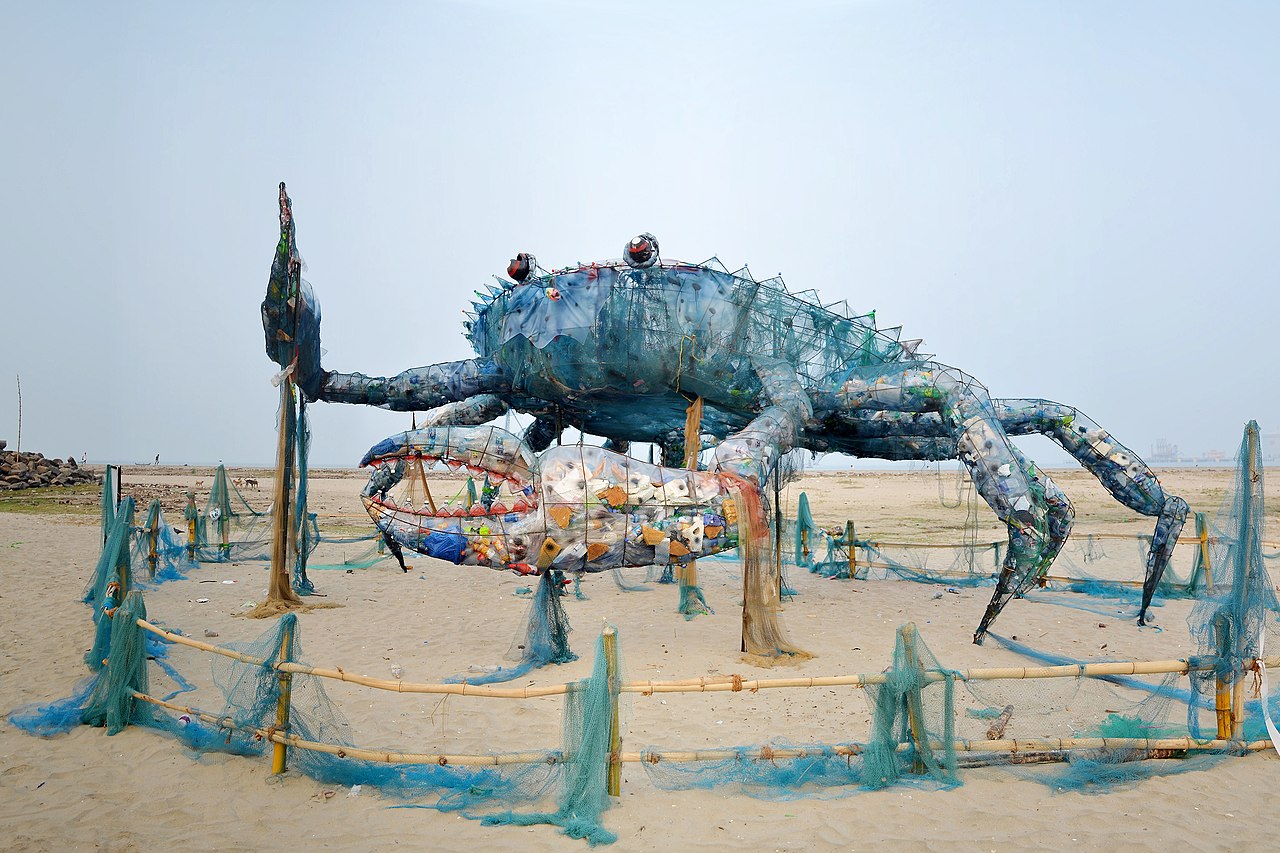
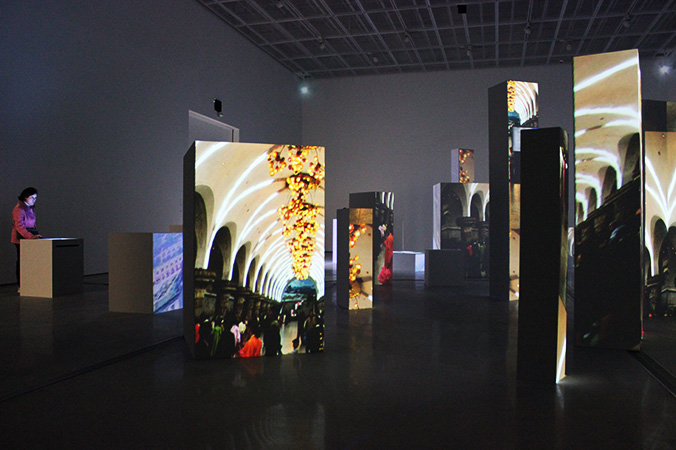


Characteristics and materials
Common features of installation art include scale, immersion and a combination of media. Installations frequently employ three-dimensional elements such as assemblages, built structures or found objects, and may incorporate sound, light, projected imagery, scent and moving parts. Some installations emphasize physical entry or passage through the work, while others transform sightlines and the way a room is used. Many are three-dimensional by design and aim to change visual and spatial relationships.
- Site-specificity: tailored to a particular location or context.
- Interactivity: inviting or responding to visitor presence and movement.
- Temporality: ranging from ephemeral events to permanent commissions.
- Multisensory strategies: using sound, light, texture and technology.
History and development
Several historical threads fed the rise of installation practice. Early 20th-century experiments with objects and context—most famously Marcel Duchamp’s readymades—challenged notions of the art object and display. From the 1960s and 1970s, artists working in happenings, performance, Minimalism, Land Art and conceptual movements expanded interest in environments and viewer experience. By the late 20th century the term 'installation' described works that arranged space as their medium; later developments brought digital media, interactive electronics and networked components into the practice.
Presentation, examples and uses
Installations appear in museums, galleries, biennials and public space, and are often commissioned for specific sites or events. Museums use installations to create immersive exhibitions; public commissions can turn plazas, parks and transit hubs into social artwork. Renowned examples include immersive mirrored rooms, large-scale landscape interventions and sensor-driven interactive pieces. Contemporary practitioners frequently combine craft and high technology—using projections, tracking systems and sensors to make works respond to human movement and attention.
Distinctions and conservation
Installation art overlaps with sculpture, performance and environmental art but differs in intent: its meaning typically depends on the configured relationship among parts, space and audience rather than on a discrete, transportable object. Conservation raises specialized challenges because site-specificity, impermanence and technological components complicate documentation and preservation. Curators and conservators therefore document installations carefully and may re-install or adapt elements when works travel.
For further context on terminology, venues and artists, see related resources: perception and environment, space and site, museum presentation, and historical references such as Duchamp and early precedents. Additional technical or scholarly materials can be found via institutional databases or contemporary art archives (overview, materials, interactive technologies).
Related articles
Author
AlegsaOnline.com Installation art: immersive, site-specific and experiential visual art Leandro Alegsa
URL: https://en.alegsaonline.com/art/47461
Sources
- installationart.net : Online resource
- dictionary.oed.com : dictionary.oed.com/