
Irish dance: stepdance traditions, styles, music and modern influence
Overview of Irish dance, its principal styles (social and performance), key steps and rhythms, training and competitions, costume and shoes, history, and the global impact of shows like Riverdance.
Overview
Irish dance is a collective term for several related dance traditions that developed in Ireland and among the Irish diaspora. It ranges from informal social forms that encourage group participation to highly choreographed stage and competitive styles. The tradition is widely recognised for its rapid, intricate footwork, distinctive rhythmic timing, and often a relatively still upper body. For general information see Irish dance. The worldwide profile of stepdance increased dramatically after the 1990s with theatrical productions; one of the best known is Riverdance.
Image gallery
10 Images


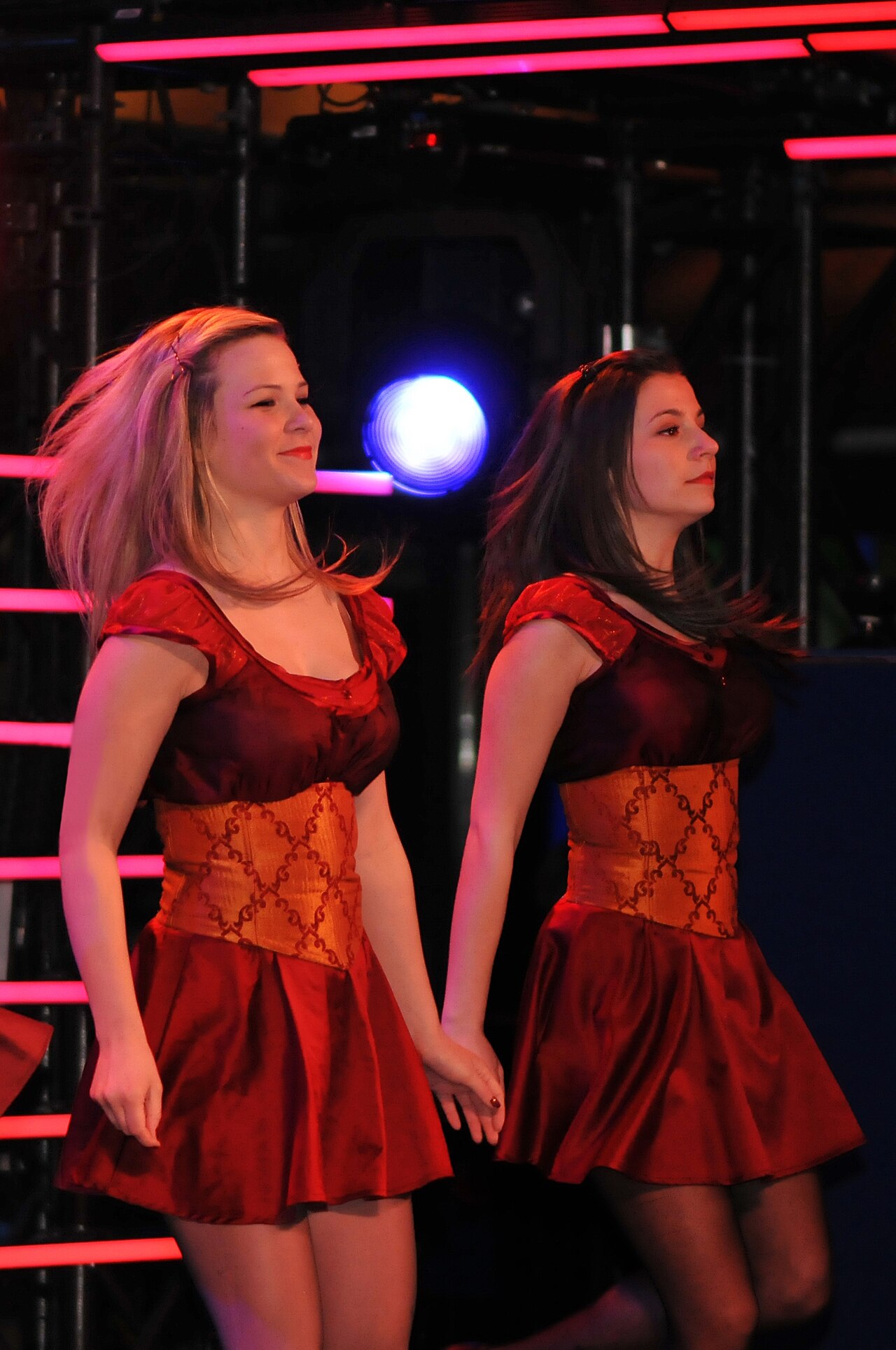

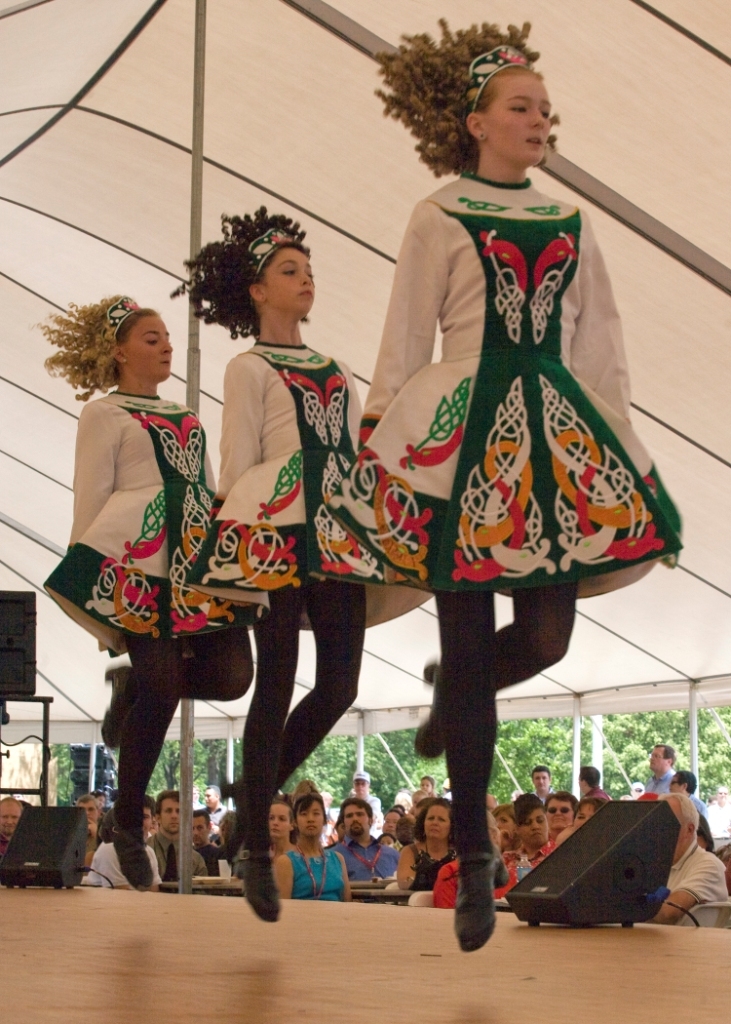

Styles and basic steps
Broadly speaking, Irish dancing is divided into social dancing and performance or competitive dancing. Social dances include céilí and set dances, which are partner- or group-based and often danced at community gatherings. The performance tradition includes solo stepdance, where attention is paid to precision and presentation, and percussive group shows that emphasise synchronized movement.
- Reel – typically lively, in a 4/4 or 2/2 feel.
- Jig – commonly in 6/8 time; there are variations such as double (or light) jigs.
- Slip jig – usually in 9/8 time, noted for its graceful, flowing quality.
- Hornpipe – often performed slower than a reel with a distinct swing and dotted rhythms.
- Treble (heavy) jig – danced in hardshoe with strong percussive steps.
Technique and shoes
Characteristic technique emphasises an erect posture, pointed feet, and complex foot rhythms executed with speed and clarity. Traditionally, arms are kept low or at the sides in many stepdance forms, though modern choreography sometimes incorporates arm movements. Shoes are central to the art: soft shoes (ghillies for women, reel shoes for men) are lightweight and allow nuanced foot articulation, while hard shoes have fiberglass, cork, or leather elements that create audible beats and percussive effects.
Music and rhythm
Irish dance is inseparable from traditional Irish music. Instrumentation commonly includes fiddle, flute, tin whistle, uilleann pipes, accordion, and bodhrán (a frame drum). Each dance type corresponds to particular meters and tempos: reels feel binary, jigs are compound duple, slip jigs compound triple, and hornpipes feature dotted rhythms. A dancer’s timing and phrasing must lock closely with the musician to convey the character of each tune.
Training, competitions and presentation
Many dancers learn in local schools where instruction covers technique, choreography, and musicality. Competitive Irish dance events, called feiseanna (singular: feis), award prizes across age and skill levels and are governed in many places by regional councils with standardised rules and adjudication criteria. Judges typically score timing, footwork, technique, and overall presentation. Costuming ranges from simple practice attire to ornate competition dresses and jackets, often decorated with embroidery, Celtic motifs, and in competitive contexts, wigs and makeup to create a uniform stage presence.
History and cultural significance
Roots of Irish dance extend into rural and urban social practices that evolved over centuries. Older solo forms such as sean-nós dancing display a more relaxed posture, improvisation, and close connection to local music styles. Stepdance, as a highly stylised and formalised form, developed through teaching traditions and public performance. In the late 20th century, touring productions brought Irish dance to global audiences and spurred renewed interest in both traditional and contemporary interpretations. Today the art remains a living cultural practice, sustained through community events, festivals, schools, and professional companies.
Notable distinctions and modern trends
Important distinctions include the difference between social dances that foster communal participation and competitive or theatrical forms that prioritise spectacle and technical precision. Contemporary choreographers often blend Irish steps with other dance genres and introduce new staging, while purists work to preserve local idioms and traditional repertoires. Whether approached as a pastime, sport, or performing art, Irish dance continues to adapt while retaining core elements of rhythm, footwork, and cultural identity.
Related articles
Author
AlegsaOnline.com Irish dance: stepdance traditions, styles, music and modern influence Leandro Alegsa
URL: https://en.alegsaonline.com/art/48167