
Space (physics): the physical extent, dimensions, and spacetime concept
Space in physics denotes the arena in which objects have positions and distances. Modern theory treats space together with time as spacetime and links geometry to physical phenomena such as gravity.
Overview
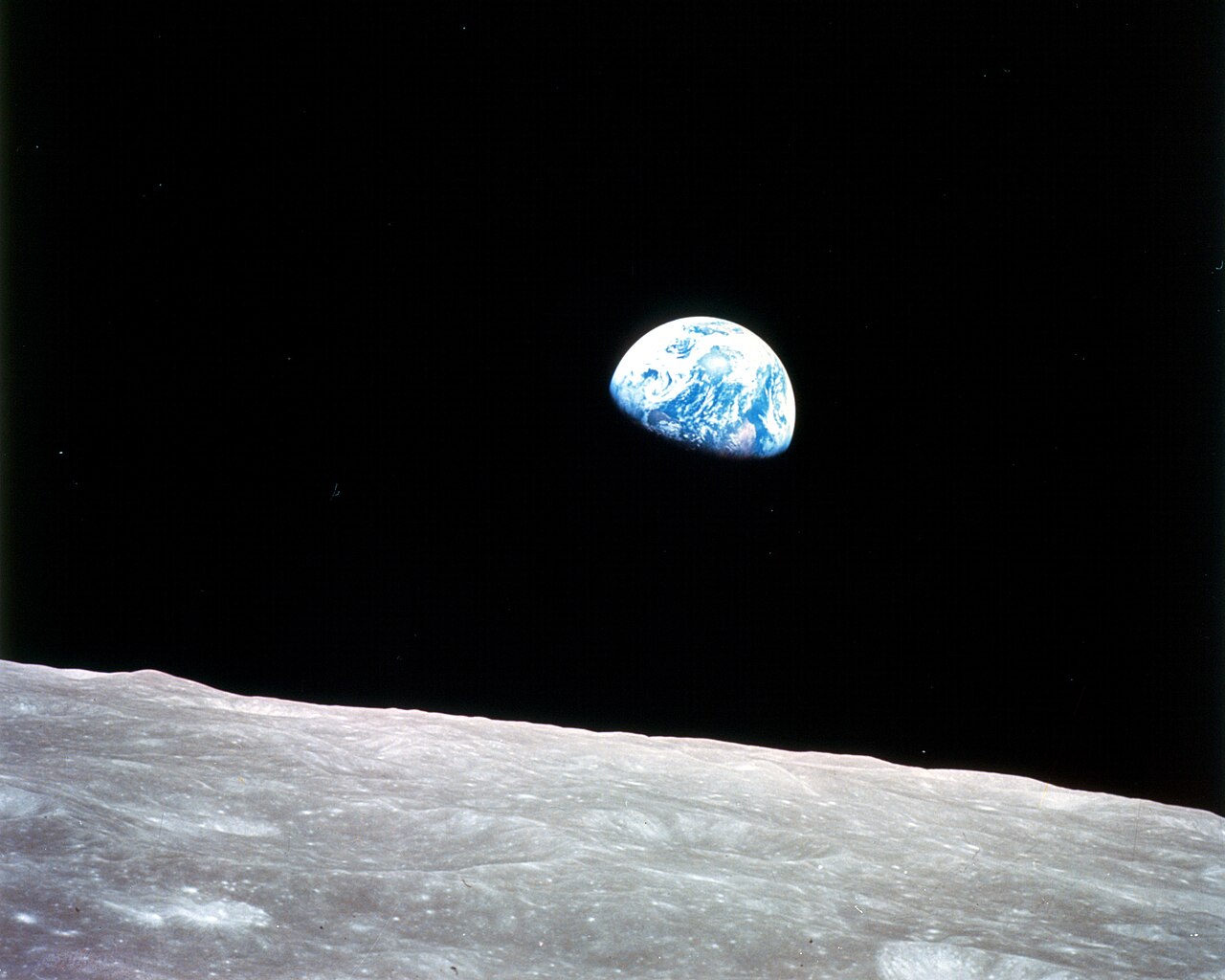
In basic terms, space is the physical expanse in which objects and events occur and in which distances can be measured. Everyday descriptions appeal to the three spatial dimensions often called length, width and height. These directions provide the coordinate basis for locating points and describing motion in classical settings.
Image gallery
9 Images



Space in modern physics
Contemporary physics replaces the separate notions of space and time with a unified four-dimensional continuum. Work in modern physics shows that measurements of distances and durations depend on the observer’s state of motion, so the most useful description is a conceptual and mathematical framework that treats spatial coordinates and temporal coordinates together. This viewpoint underlies special and general relativity and influences how we model physical fields.
Measurement and units
Precise science requires standard units. The standard unit for length is the metre, defined in terms of the speed of light in a vacuum and a fixed fraction of a second. Practical measurement of spatial intervals therefore rests on timing and well-calibrated instruments; modern techniques use electromagnetic signals and clocks whose operation is governed by relativistic principles and by tiny corrections from quantum effects.
Historical development
Classical physics treated space and time as independent, absolute entities that exist the same for all observers. The work of Albert Einstein showed that observers in relative motion disagree about simultaneity and about measured lengths, so that space and time are best combined mathematically into a single structure usually labeled spacetime. General relativity further linked the geometry of spacetime to the distribution of mass and energy, so that what we call gravity can be understood as curvature of that geometry.
Key characteristics and examples
- Geometry: Space admits geometric descriptions (Euclidean, curved, or otherwise) that determine how distances and angles are related.
- Topology: Global properties of space—such as whether it is finite or infinite, connected or multiply connected—affect possible physical configurations.
- Curvature and gravity: In general relativity, matter and energy determine the curvature of spacetime, and curved paths replace Newtonian forces.
- Cosmological expansion: On the largest scales the spatial part of spacetime can change with time, a fact central to modern cosmology.
There are also philosophical and scientific debates about whether space is a substance that exists independently (substantivalism) or a system of relations among objects (relationism). These positions influence how one interprets the mathematics of physical theories but do not change the empirical predictions used by scientists to model phenomena from particle experiments to the motion of galaxies.
For further reading on dimensional concepts, measurements, and the role of spacetime in physics, consult introductory texts and reputable reviews that present the mathematical tools and experimental foundations behind these ideas. See also resources that explain how relativistic corrections affect modern navigation and metrology, and how cosmological observations probe the large-scale structure of space.
three spatial dimensions • length • width • height • modern physics • conceptual • framework • metre • light • vacuum • fraction of a second • mathematically • spacetime
Related articles
Author
AlegsaOnline.com Space (physics): the physical extent, dimensions, and spacetime concept Leandro Alegsa
URL: https://en.alegsaonline.com/art/92408