
Italian Renaissance art: origins, styles, and major figures
An overview of Italian Renaissance art: its origins, key characteristics and techniques, major periods and artists, and its legacy in European painting and sculpture.
Overview
Italian Renaissance art refers to the distinctive painting and sculptural traditions that developed in Italy from the late 13th century through the 16th century and profoundly influenced European visual culture. Early innovators began to move away from the stylized forms of medieval art toward greater naturalism, spatial coherence and an interest in classical antiquity. This transformation affected both painting and sculpture, altering subject treatment, technique and the role of artists in society. Figures such as Giotto and the sculptor Nicola Pisano are often cited as precursors whose work anticipated later developments across Italy.
Image gallery
10 Images


Characteristics and techniques
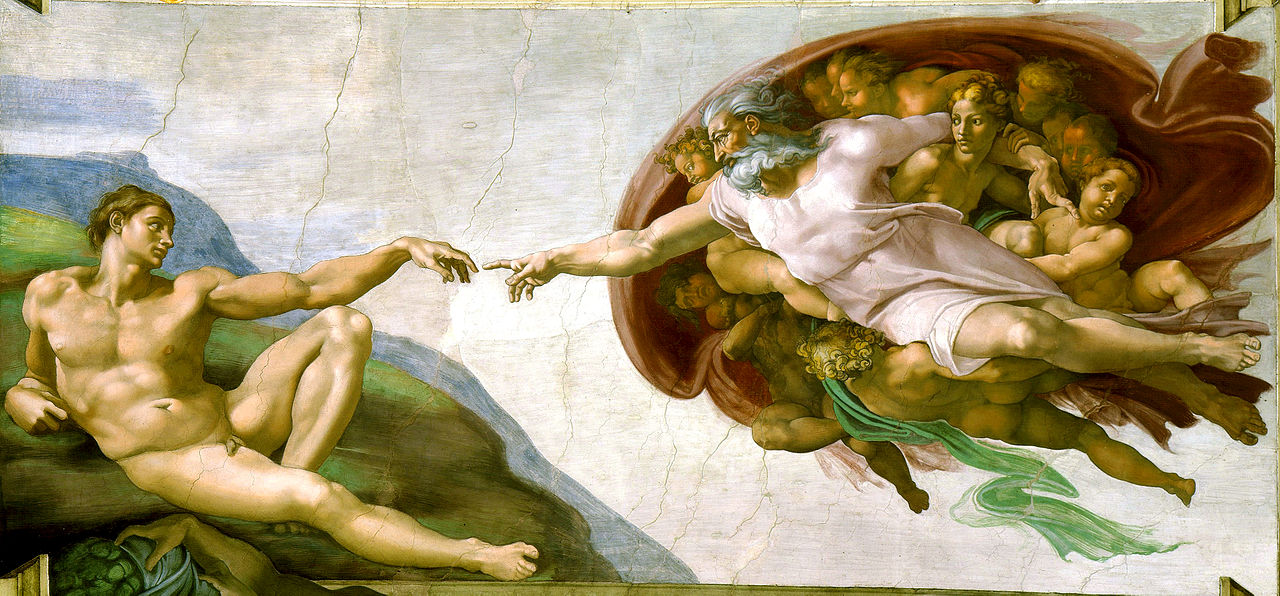
Renaissance artists pursued naturalism and three-dimensional illusion through several technical and intellectual innovations. The systematic use of linear perspective and studies of light and shadow (chiaroscuro) created convincing spatial settings for human figures. Anatomical observation, often informed by dissection and close study of the body, produced more lifelike poses and expressions. Painters shifted from tempera on panel to oil techniques in some areas, which allowed richer color and subtle gradations. Sculptors revived classical principles — contrapposto, idealized anatomy and free-standing statues — and experimented with marble, bronze and relief work.
Periods and representative artists
- Proto-Renaissance (c.1300–1400): beginnings of naturalism and narrative clarity, led by Giotto and workshop figures; early sculptural revival associated with Nicola Pisano.
- Early Renaissance (c.1400–1475): consolidation of perspective and realism in Florence and elsewhere; notable names include Masaccio, Fra Angelico, Paolo Uccello, Piero della Francesca and sculptors like Ghiberti and Donatello.
- High Renaissance (c.1475–1525): a peak of compositional balance and ideal beauty with masters such as Leonardo da Vinci, Raphael, Titian in Venice and Michelangelo in both sculpture and painting.
- Mannerism (c.1525–1600): a later phase that stretched proportions and compositional rules for expressive effect; practitioners include Andrea del Sarto, Pontormo and Tintoretto as well as sculptors who experimented with dynamic forms.
Context, patrons and regional variation
The Renaissance emerged in urban centers where civic pride, merchant wealth and humanist learning converged. Florence is widely regarded as a pivotal cradle for the movement, with influential patrons, workshops and public commissions fostering artistic innovation. But the revival took distinctive local forms: Rome became a center for monumental projects and papal patronage, while Venice developed a vivid coloristic tradition exemplified by Titian. Workshops, guilds and networks of patrons and apprentices spread techniques and styles across the peninsula.
Legacy and notable distinctions
Italian Renaissance art reshaped Western conceptions of representation, classical form and the artist’s social role. It set standards for proportion, perspective and anatomical study that persisted into later centuries. Compared with contemporary Northern European art, which often preserved meticulous surface detail and an emphasis on domestic interiors, Italian practice emphasized idealized figure composition and classical references. The works of Leonardo, Raphael, Michelangelo and their peers continue to be studied for their technical mastery and cultural significance, and their innovations remain central to the history of Western art.
For further reading, see resources linked to practice and artists: painting techniques, sculptural practice, and biographical or thematic entries on Giotto, Nicola Pisano, Italy, Leonardo, Florence, Mannerism, Masaccio, Fra Angelico, Donatello, Raphael, Titian, Michelangelo, Andrea del Sarto and Tintoretto.
Questions and answers
Q: Who is considered the founder of Italian Renaissance art?
A: Giotto is generally considered to be the founder of Italian Renaissance art.
Q: What time period did the Italian Renaissance style become popular?
A: The Italian Renaissance style became popular around 1400 and lasted until about 1600.
Q: Where was the birthplace of the Renaissance and in particular, of Renaissance art?
A: The city of Florence is considered to be the birthplace of the Renaissance and in particular, of Renaissance art.
Q: How many periods are associated with Italian Renaissance painting?
A: There are four periods associated with Italian Renaissance painting - Proto-Renaissance, Early Renaissance, High Renaisssance and Mannerism.
Q: What famous artist was part of the High Renaisssance period?
A: Leonardo da Vinci, Raphael and Titian were all famous artists who were part of the High Renaisssance period.
Q: Who were some notable sculptors from this era?
A: Notable sculptors from this era include Nicola Pisano, Ghiberti, Donatello, Michelangelo, Giambologna and Cellini.
Q: Who were some painters from during this time period? A: Painters from during this time period include Giotto, Taddeo Gaddi, Orcagna Altichiero Masaccio Fra Angelico Uccello Piero della Francesca Verrocchio Andrea del Sarto Pontormo Tintoretto
Related articles
Author
AlegsaOnline.com Italian Renaissance art: origins, styles, and major figures Leandro Alegsa
URL: https://en.alegsaonline.com/art/48604