
Indo-Canadians
Indo-Canadians are Canadians of Indian origin or descent. This article outlines their identity, history of migration, cultural patterns, demographics, and distinctions from other groups in Canada.
Overview
Indo-Canadians are people in Canada whose family origins trace to the Indian subcontinent or to communities descended from that region. The term covers a wide variety of ethnic, linguistic and religious identities connected to India and adjacent areas. Many prefer the simple label "Indian" in everyday use, while other terms such as "East Indian" or "South Asian" are also used in different contexts to distinguish them from Indigenous peoples who have historically been referred to as "Indian." For more on Canada as the national context of this group see Canada and for the ancestral region see India.
Image gallery
10 Images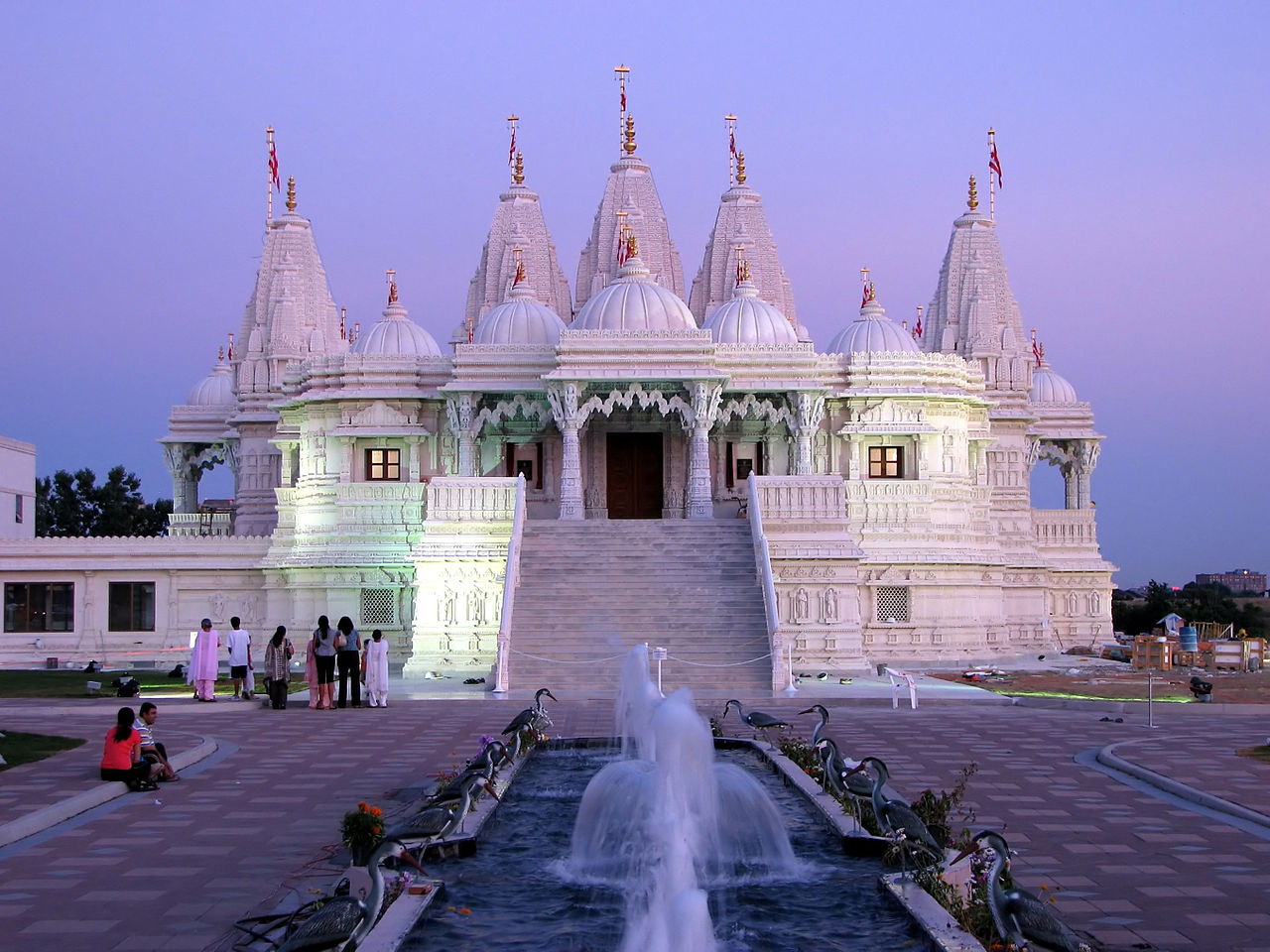
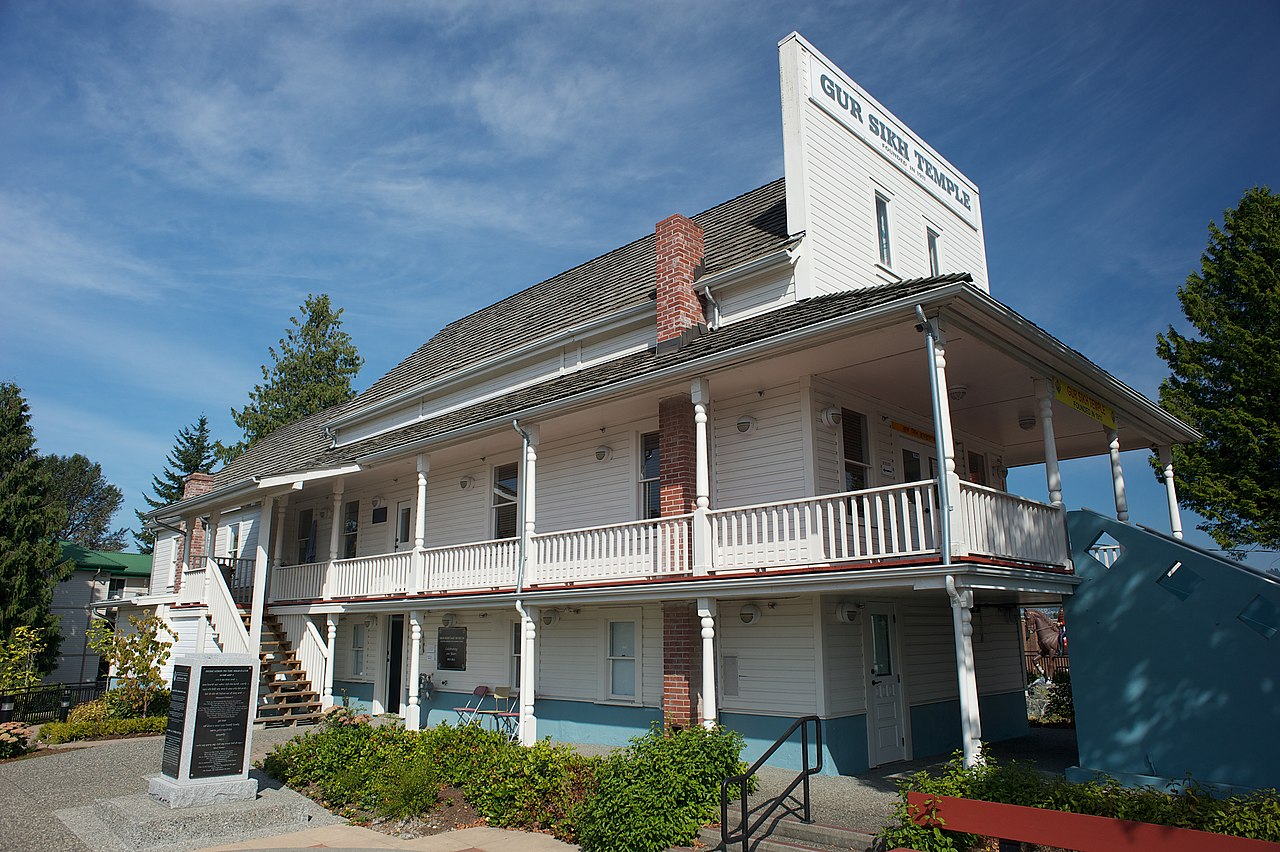


Characteristics and cultural patterns
Indo-Canadian communities are diverse. They speak numerous languages (including Punjabi, Hindi, Gujarati, Urdu, Tamil and English), follow multiple faiths (Hinduism, Sikhism, Islam, Christianity, Jainism, Buddhism and others), and maintain a range of cultural practices. Many maintain ties with family, cuisine, music, film and festivals from their places of origin while also participating in Canadian social and civic life. Common cultural markers include cuisine, religious centers, language schools and media outlets.
History and migration
Migration from the Indian subcontinent to Canada has occurred in several waves. Early migrants arrived in the late 19th and early 20th centuries, often working in agriculture, railways and lumber camps; immigration policy barriers and legal disputes affected settlement patterns during that period. Later, changes to Canadian immigration rules in the mid-20th century and continuing family- and skilled-worker streams led to larger, more sustained inflows. Indo-Canadians also include people or descendants from Indian diaspora communities in the Caribbean, South America, Africa and the Middle East, reflecting multiple migration routes and histories.
Demographics and distribution
Indo-Canadians live across the country but are concentrated in major urban regions such as the Greater Toronto Area, Montreal, Ottawa, Calgary and Vancouver. Occupational patterns are varied and include professional fields, small business ownership, healthcare, education and the skilled trades. The community includes both recent immigrants and several generations born in Canada.
Identity, terminology and notable distinctions
Terminology can be complex. The label "East Indian" has been used historically to differentiate people from Indigenous First Nations peoples and from "West Indian" communities originating in the Caribbean. The historical misnaming of Native Americans by early European explorers—famously associated with Christopher Columbus—helps explain why multiple terms exist. Many Indo-Canadians choose the terms that best reflect their family history, regional origin or personal identity.
Community contributions and contemporary issues
Indo-Canadians have contributed to Canada's cultural life, economy and public affairs through business, arts, academia, politics and community service. Contemporary discussions within and about the community address topics such as multiculturalism, integration, intergenerational change, discrimination, and the preservation of languages and traditions. As a varied and dynamic population, Indo-Canadians continue to shape and be shaped by the broader Canadian society.
- Languages commonly spoken: Punjabi, Hindi, Gujarati, Tamil, Urdu, English
- Religious traditions: Sikhism, Hinduism, Islam, Christianity, Jainism
- Common cultural institutions: temples, gurdwaras, community centres, ethnic media
Questions and answers
Q: What is an Indo-Canadian?
A: An Indo-Canadian is a person whose family can trace back to India.
Q: Why are the terms "East Indian" and "South Asian" used for people who originate from India?
A: The terms "East Indian" and "South Asian" are used to distinguish people from India from the First Nations peoples of Canada who are often called Indian and from the people of the Caribbean who are sometimes called West Indian.
Q: Why do most Indo-Canadians call themselves "Indian" instead of "East Indian"?
A: Most Indo-Canadians call themselves "Indian" because Christopher Columbus thought the Americas were India, and that Native Americans were Indian.
Q: Where do most Indo-Canadians come from?
A: Most Indo-Canadians come from India, but some come from the Caribbean, South America, Africa, and the Middle East.
Q: Where do Indo-Canadians usually live in Canada?
A: Indo-Canadians usually live in cities like Toronto, Montreal, Ottawa, Calgary, and Vancouver.
Q: Why are Indo-Canadians one of the fastest growing races in Canada?
A: Indo-Canadians are one of the fastest growing races in Canada because of immigration.
Q: What other parts of the world do some Indo-Canadians come from, besides India?
A: Some Indo-Canadians come from the Caribbean, South America, Africa, and the Middle East.
Related articles
Author
AlegsaOnline.com Indo-Canadians Leandro Alegsa
URL: https://en.alegsaonline.com/art/47188
Sources
- www12.statcan.gc.ca : "Immigration and Ethnocultural Diversity Highlight Tables"