
Infanticide: definitions, causes, history, legal responses and prevention
Infanticide is the deliberate killing of a newborn or infant. This article explains definitions and distinctions, common motives and historical contexts, legal treatment, and measures aimed at prevention and protection.
Infanticide is the deliberate killing of a newborn or infant. The term is used in medicine, law and social science to describe deaths that result from intentional acts rather than accident or natural causes. Related terms include neonaticide (the killing of a child within the first 24 hours to 30 days after birth, definitions vary) and filicide (a parent killing a child of any age). The subject is examined in studies of criminal behaviour, public health, gender studies and child protection.
Image gallery
10 Images




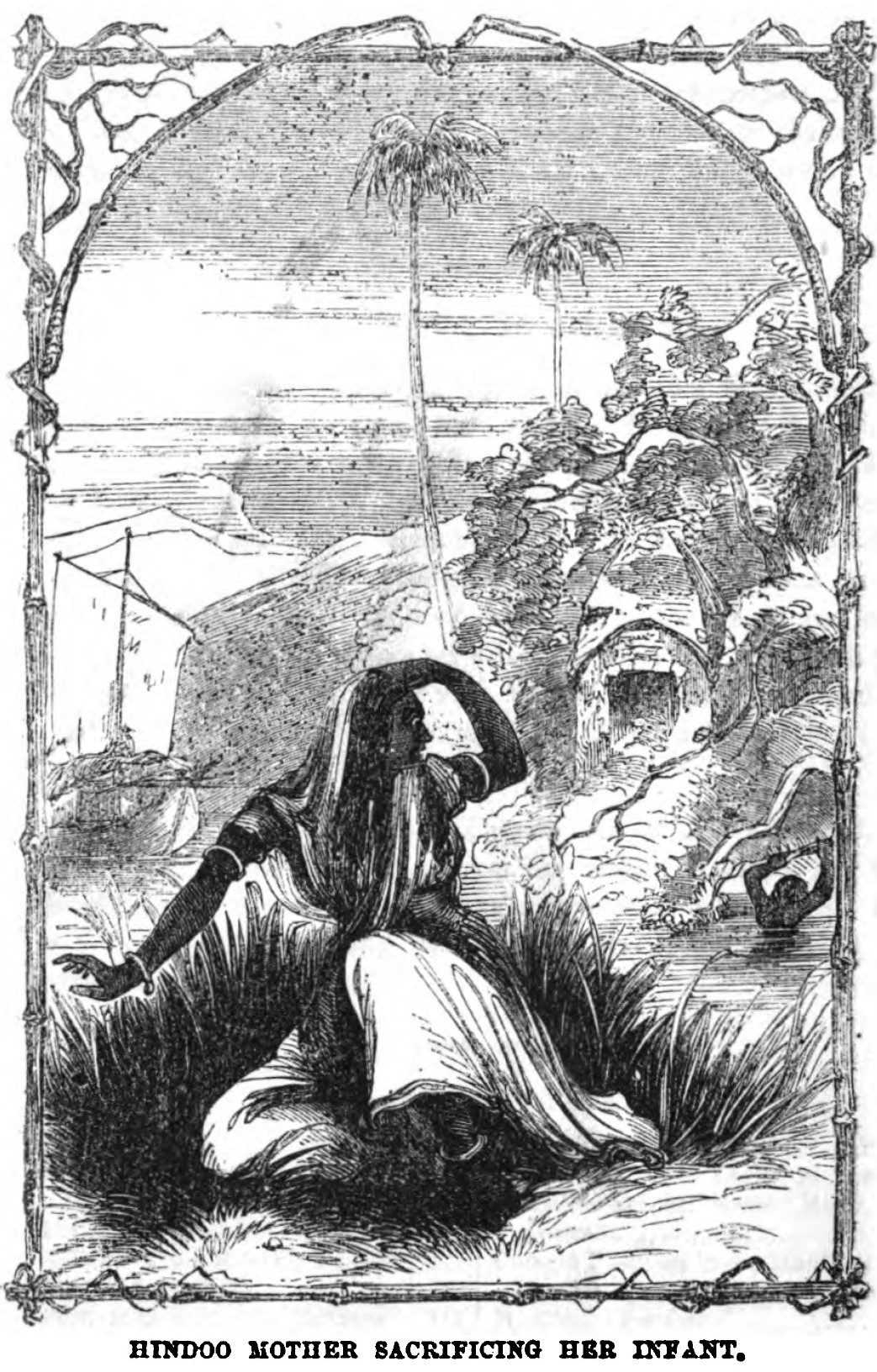


Characteristics and distinctions
Scholars and practitioners distinguish several categories: neonaticide (immediate postpartum killings), infanticide (newborn deaths often within weeks or months), filicide (parental killing of an older child) and child homicide by non-parents. This taxonomy helps clarify motives, risk factors and legal responses. Research indicates that patterns of who the perpetrator is can vary by category: neonaticide is disproportionately committed by mothers, while older-child homicides more often involve fathers or other caregivers.
Common motives and risk factors
- Mental health and postpartum disturbance: depression, psychosis or acute stress after birth.
- Social stigma and concealment: pregnancy outside marriage, young age, or community pressure to hide births.
- Economic stress and poverty: lack of resources or fear of inability to provide care.
- Gender preference and cultural practices: in some societies daughters have been at higher risk due to son preference and sex-selective practices.
- Abuse and violence: coercion or domestic violence that places infants at risk.
History and cultural context
Infanticide has occurred in many historical and cultural settings. In some ancient societies exposure of unwanted infants was practiced, while in modern times sex-selective termination or concealment of births has been linked to gender discrimination. In response, many countries have prohibited prenatal sex determination and sex-selective abortion; policy and enforcement vary by region. Broad social inequalities and value systems that devalue particular children or mothers are recurring roots of the problem.
Legal treatment and prevention
Legal systems treat infant killing as a form of homicide, but some jurisdictions make special provisions recognizing the role of postpartum mental disturbance when adjudicating cases. Prevention strategies combine criminal law with public health: improved access to contraception and reproductive health care, maternal mental health services, safe surrender or baby-box laws, newborn screening and social supports for vulnerable parents. Effective prevention also addresses underlying gender inequality and poverty.
Notable considerations
Discussion of infanticide touches on sensitive ethical and social issues: gender discrimination, reproductive rights, child protection and mental health care. Research emphasizes that most at-risk situations are preventable with timely social services and medical support. For general definitions see homicide and related terms, and for legal measures concerning prenatal sex selection see prenatal sex determination laws.
Further reading should include publications from public health and child-protection authorities, criminology research, and legal commentaries to understand how prevention and response are implemented across different societies.
Related articles
Author
AlegsaOnline.com Infanticide: definitions, causes, history, legal responses and prevention Leandro Alegsa
URL: https://en.alegsaonline.com/art/47266