
Iranian Azeris (Azerbaijanis in Iran)
Iranian Azeris are a Turkic-speaking people concentrated in northwestern Iran; they share language and culture with Azerbaijanis across the border and constitute one of Iran's largest minority communities.
Overview
The Iranian Azeris, often called Azerbaijanis of Iran, are a Turkic-speaking community who live predominantly in the northwest of Iran and in major cities across the country. They form one of Iran's largest ethnic minorities and participate widely in the nation's political, economic and cultural life while maintaining many distinct local traditions.
Image gallery
10 Images




Language and dialects
Their everyday language is Azerbaijani (Azeri), a member of the Oghuz branch of Turkic languages. Azerbaijani in Iran exists in a variety of regional dialects and is commonly used at home and in local social contexts. Bilingualism with Persian is widespread: Persian is used in formal education, national media and official communications, while Azerbaijani is the principal vehicle of family and community interaction.
History and origins
The ethnolinguistic character of northwestern Iran reflects many historical layers. Before Turkic languages became dominant, the region had Iranian-speaking populations and other groups. From the medieval period, waves of Turkic-speaking tribes, including Oghuz groups, settled or influenced the area. Over centuries, interaction among Turkic, Persian and other cultural influences produced the hybrid cultural landscape associated today with Iranian Azeris.
Geographic distribution and demographics
Their historical core provinces include East Azerbaijan, West Azerbaijan, Ardabil and Zanjan, though significant Azeri communities live in Tehran and other urban centers throughout Iran. The population is spread across rural agricultural districts, market towns and industrial cities, leading to a range of lifestyles and dialectal variation.
Culture, religion and society
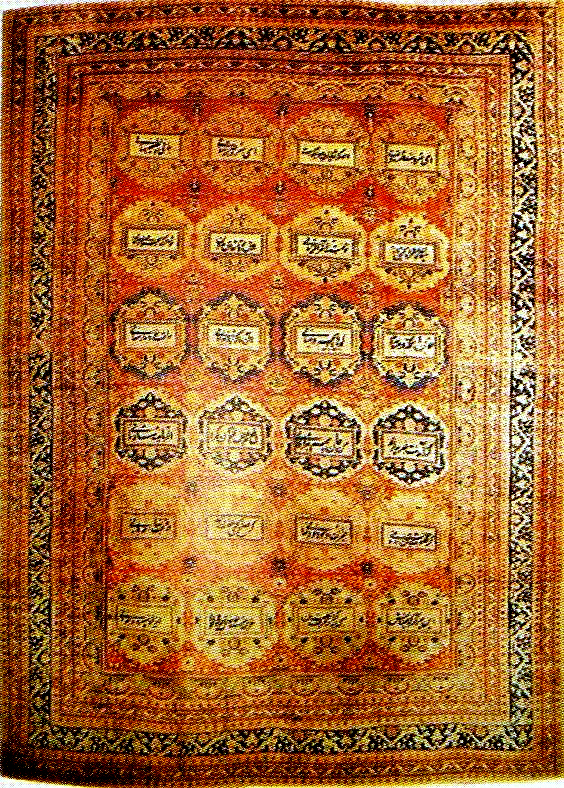
Most Iranian Azeris practice Twelver Shia Islam, the majority branch in Iran, which aligns them religiously with much of the country's population. Cultural life features folk music traditions such as ashik performance, distinctive oral literature and carpet weaving, regional cuisines and celebrations linked to national festivals like Nowruz. Urban Azeri communities have been prominent in commerce, arts and scholarship.
Economy and urban life
The regional economy combines agriculture, small-scale industry, trade and services. Several northwestern cities serve as commercial and transport links toward the Caucasus and Anatolia. Migration to Tehran and other metropolitan areas has created sizable Azeri diasporas within Iran's larger urban centers, who engage in diverse professions from business to academia.
Political and cultural issues
Contemporary discussions affecting the community include language rights, cultural preservation and the role of bilingual education. While many Iranian Azeris emphasize strong Iranian national identity, others seek greater recognition for Azerbaijani language and cultural expression within state institutions and local life.
Cross-border ties and identity
Iranian Azeris share linguistic and cultural ties with the population of the Republic of Azerbaijan, but they are citizens of Iran and shaped by different political and social institutions. Cross-border family and cultural connections exist alongside distinct historical experiences on each side of the frontier.
Contributions and continuity
Members of the Azeri community have contributed to Iran's literature, music, commerce, science and public life. Efforts to sustain regional traditions, dialects and arts continue through local cultural organizations, research and everyday practice, ensuring continuity of a rich and adaptive regional identity.
Related articles
Author
AlegsaOnline.com Iranian Azeris (Azerbaijanis in Iran) Leandro Alegsa
URL: https://en.alegsaonline.com/art/48109