
Indigenous peoples — overview, history, and contemporary issues
An introduction to Indigenous peoples: who they are, terminology, historical impacts of colonization, contemporary rights and recognition, cultural diversity, and notable distinctions.
Overview
Indigenous peoples are the first inhabitants of particular regions, whose presence predates more recent arrivals and state borders. They are identified by long-standing cultural, social, economic and historical ties to specific territories, and by distinct languages, traditions and governance systems. Worldwide, Indigenous groups vary enormously in size, lifestyle and social structure, but share an enduring relationship with their ancestral lands.
Image gallery
10 Images




Names and terminology
Different terms are used in different places: "Indigenous peoples" is the preferred international expression because it recognizes collective rights and diversity. Other labels include aboriginal, native, first peoples, First Nations and autochthonous. Some older or locally used words can carry negative connotations; the sensitivity of terminology is discussed in legal and social forums and by communities themselves. See discussions about contested or pejorative terms via terminology resources.
Historical interactions and impacts
Contact with expanding states and settler societies often led to disruptive and destructive encounters. In many regions Indigenous communities experienced dispossession of land, forced labour or enslavement, violence, the spread of disease, and cultural suppression. These outcomes were frequently tied to colonial projects; the processes and policies of colonialism shaped power relations, economic systems and legal frameworks that disadvantaged Indigenous people for generations. State and settler narratives at times used propaganda or biased histories to assert superiority and justify dispossession, influencing social hierarchies and perceptions of status.
Rights, recognition and contemporary issues
From the late 20th century onward there has been growing international attention to Indigenous rights. Instruments, declarations and court decisions increasingly recognize collective rights to land, resources, cultural heritage and forms of self-determination. Movements by Indigenous peoples advocate for restitution, legal recognition, protection of languages, and meaningful participation in decisions affecting their lives. These efforts are framed within broader human rights discussions and link to human rights mechanisms and national legal reforms.
Cultural contributions and diversity
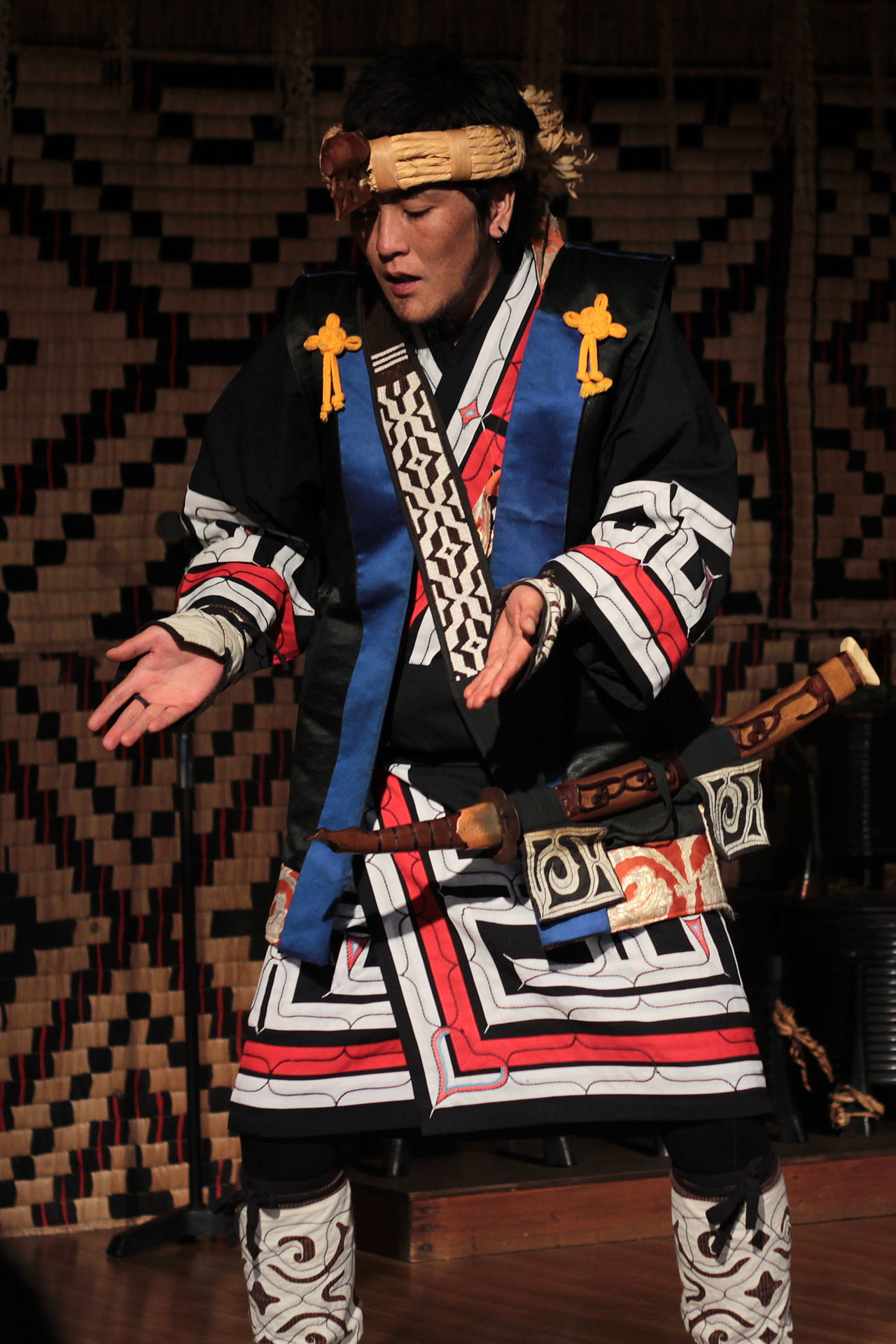
Indigenous cultures contribute rich knowledge systems in areas such as ecological stewardship, medicine, art, oral literature and governance practices. Traditional ecological knowledge, for example, informs sustainable harvesting, land management and biodiversity conservation in many parts of the world. Indigenous languages, ceremonies and crafts are central to identity and community continuity; many groups pursue revitalization programs to pass these traditions to new generations.
Distinctions and notable facts
Indigenous peoples are not a single category but a wide range of communities each with its own legal status, history and priorities. Some are recognized by national constitutions or treaties, others continue to seek formal recognition. Contemporary challenges include defending land rights, addressing socioeconomic disparities, preserving languages, and balancing cultural continuity with economic change. Understanding Indigenous peoples requires attention to historical context, local legal frameworks and the voices of communities themselves.
For further reading and resources see materials linked throughout this article and sources cited by community organizations and international bodies.
Related articles
Author
AlegsaOnline.com Indigenous peoples — overview, history, and contemporary issues Leandro Alegsa
URL: https://en.alegsaonline.com/art/47171