
Propaganda: definition, history, techniques, and modern challenges
Overview of propaganda—what it is, common methods and media, historical roots, comparisons with advertising, effects on public opinion, and modern challenges such as social media and disinformation.
Propaganda is the strategic use of communication to influence public attitudes, beliefs or behavior. It typically presents a one-sided perspective and aims to persuade rather than neutrally inform. While propaganda can be used for many ends, it is often associated with political campaigns, wartime mobilization and ideological movements. Some observers emphasize its biased nature and intent to shape emotions or perceptions rather than offer balanced evidence; critics sometimes point to how propaganda blurs the line between fact and persuasion and can be difficult to evaluate for truthfulness (bias and sources).
Image gallery
10 Images


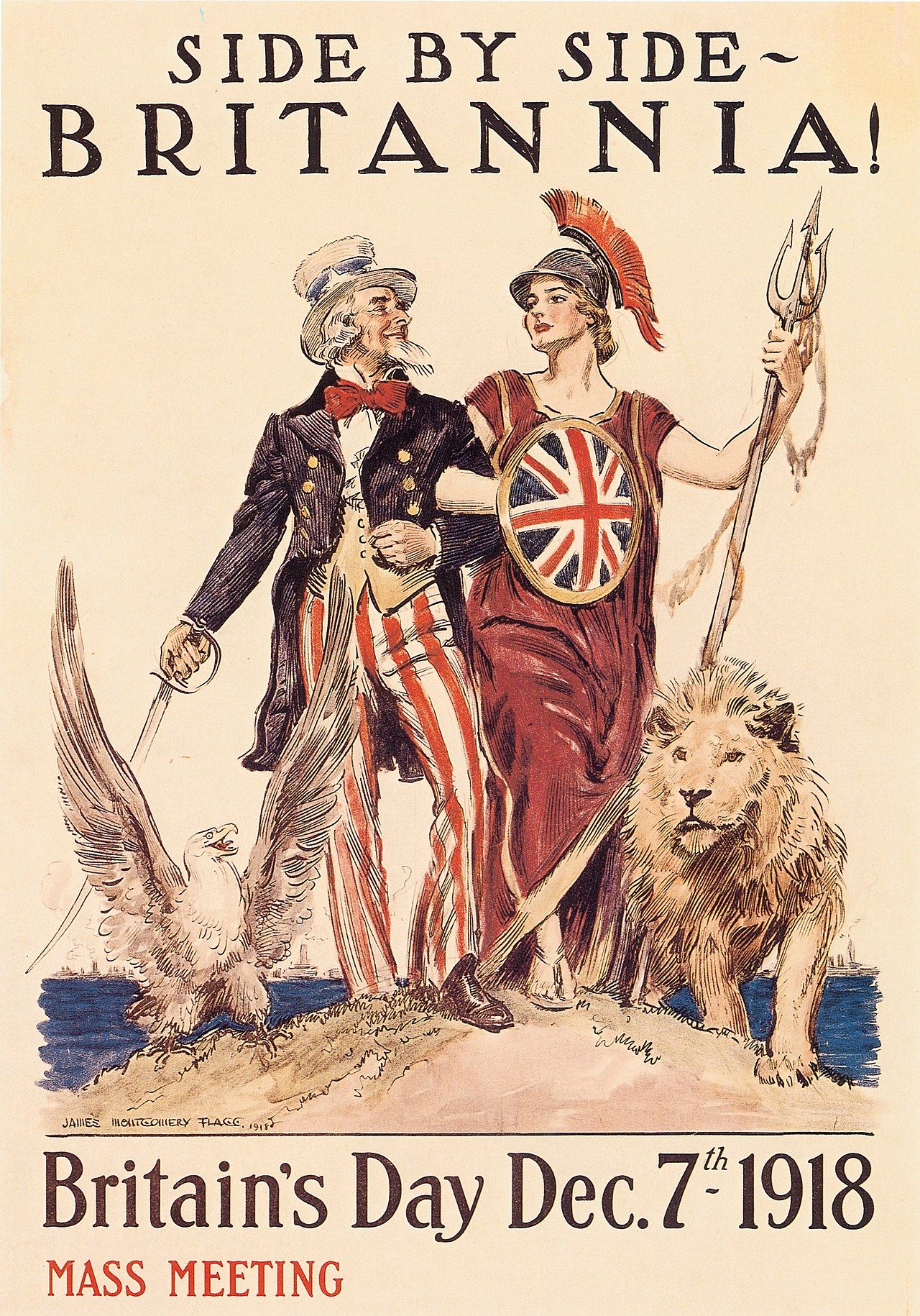


Characteristics and common techniques
Propaganda uses a range of rhetorical and psychological techniques to make messages compelling. Common methods include:
- Name-calling—using negative labels to discredit opponents.
- Glittering generalities—attaching positive, vague words to an idea.
- Bandwagon—suggesting that everyone supports an idea so you should too.
- Testimonial—using endorsements from celebrities or perceived authorities.
- Card-stacking—selectively presenting facts to support a conclusion.
- Fear appeals—warning of danger to motivate compliance.
These tactics are often adapted to available media: posters, broadcasts, films and increasingly targeted digital ads or social media content. Technical methods such as repetition, imagery, emotional storytelling and selective statistics are common tools for making messages memorable and persuasive (techniques overview).
History and origins
The term comes from Latin roots meaning "to spread". In the early modern period the Catholic Church created the Congregation for the Propagation of the Faith (Congregatio de Propaganda Fide) in 1622 to coordinate missionary work, and the modern political sense of organized persuasive messaging developed later. Mass propaganda became especially visible during the 19th and 20th centuries with the rise of national mass politics and technologies such as newspapers, film and radio. Large-scale wartime propaganda in World War I and World War II popularized many of the techniques that are still studied today (historical examples).
Forms, media and examples
Propaganda can appear as printed posters, public speeches, news-style programs, films, radio spots and, in the contemporary era, social media posts and targeted online campaigns. Governments, political parties, activist groups and commercial interests have all used propaganda-style messaging at times. Because it shares tools with other persuasive practices—such as advertising and public relations—distinctions can be subtle: advertising aims primarily to sell goods or services, while propaganda focuses on ideas and political or social objectives (posters and print, broadcast media, radio and audio, wartime use).
Effects, detection and ethical concerns
Propaganda can shape group identities, prolong conflicts and harden public opinion, but it can also mobilize public health campaigns or resistance to injustice when used to promote collective action. Detecting propaganda requires attention to source transparency, selective use of facts, emotional manipulation and patterns of repetition. Media literacy, independent journalism and fact-checking are common responses aimed at reducing harm (comparison with advertising, media role).
In the digital age, new challenges include microtargeting, algorithm-driven amplification and automated accounts that spread messages rapidly. These developments complicate regulation and public debate, because persuasive content can be tailored to specific audiences and shared across borders. Understanding propaganda today means tracing both its enduring rhetorical strategies and the shifting platforms that transmit them (further reading).
Questions and answers
Q: What is propaganda?
A: Propaganda is a form of communication that distributes biased information which is designed to make people feel or believe a certain thing.
Q: Is the information presented in propaganda always true?
A: No, it is hard to tell whether the information presented in propaganda is true or false.
Q: What is the purpose of propaganda?
A: The purpose of propaganda is to make people feel a certain way or to believe a certain thing. It is often political in nature.
Q: What forms can propaganda take?
A: Propaganda can take the form of posters, TV advertisements, and radio announcements.
Q: What is the origin of the word propaganda?
A: The word propaganda comes from Latin, and originally meant 'ideas to be spread around'. But in the First World War, it came to mean political ideas that are supposed to be misleading.
Q: How is propaganda similar to advertising?
A: Propaganda is similar to advertising in that it uses the mass media to spread its ideas, but the purpose is often political rather than commercial.
Q: Who usually uses propaganda?
A: Propaganda is often used by states or political parties rather than private companies.
Related articles
Author
AlegsaOnline.com Propaganda: definition, history, techniques, and modern challenges Leandro Alegsa
URL: https://en.alegsaonline.com/art/79440
Sources
- dlxs2.library.cornell.edu : Cornell University Collection