
Incahuasi — high volcano of the Argentine Andes
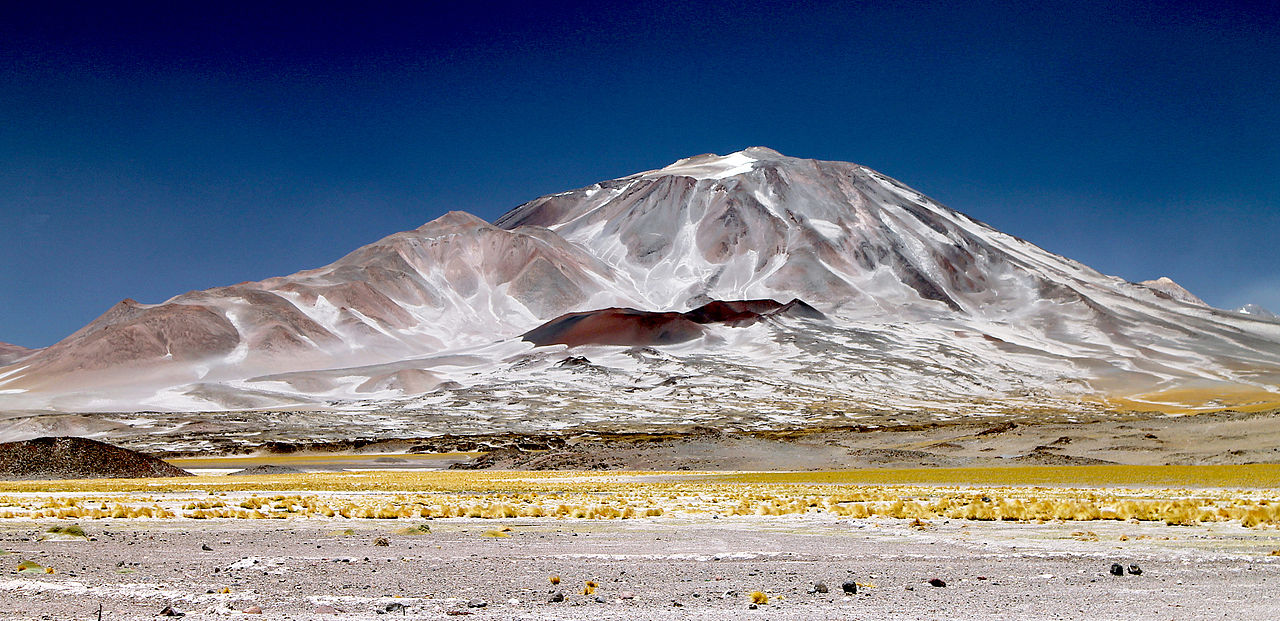
Incahuasi is a 6,621 m stratovolcano in the high Andes of Argentina. Known as 'Inca house,' it is among the higher Andean summits and is notable for its geology, cultural name, and appeal to high‑altitude climbers.
Overview
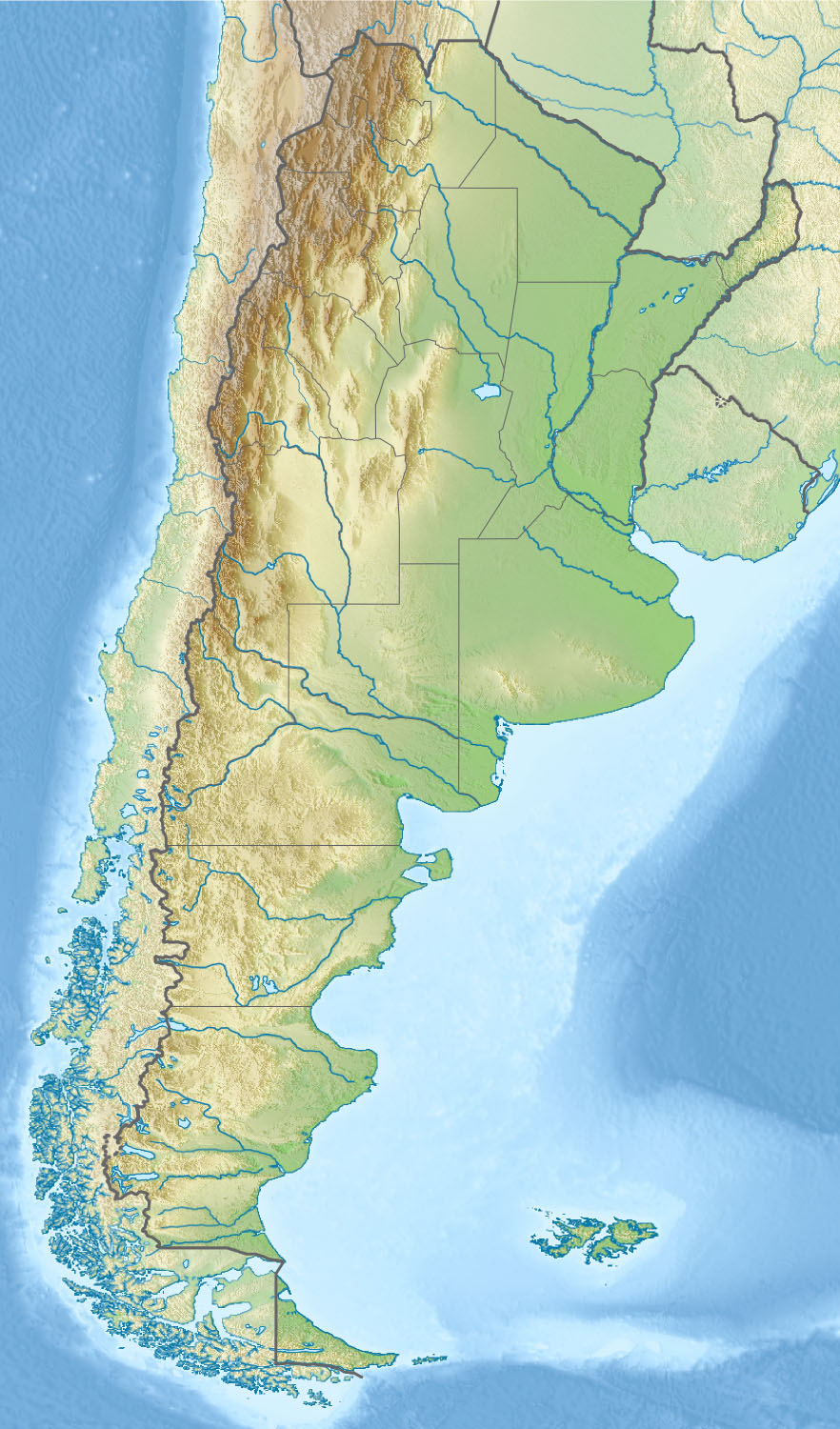
Incahuasi rises to about 6,621 metres (21,722 ft) above sea level in the high Andes. Located in northwestern Argentina, it sits within the broad cordillera system of the Andes and forms part of a string of volcanic edifices that mark the region's active geological history.
Image gallery
7 Images




Geology and features
The mountain is a volcanic cone typical of the Central Andes volcanic belt. Its mass is built from layered lava flows and fragmental pyroclastic material, producing the steep profiles and summit craters associated with stratovolcanoes. Glacial and periglacial processes have also shaped its flanks, leaving ridges and moraines at high elevations.
History, name and cultural context
The name comes from Quechua and is often translated as "house of the Inca," reflecting the long human presence and the spiritual importance of high peaks in Andean cultures. While not every high volcano has recorded historical eruptions, these mountains are studied for their past activity and for what they reveal about subduction‑related volcanism along the mountain range.
Uses, mountaineering and significance
Incahuasi attracts high‑altitude mountaineers and scientists. Climbs require careful acclimatization and planning because of thin air, remote access and harsh weather at altitude. The peak is frequently cited among the higher summits of the Andes and appears on lists of notable Andean peaks (rankings and databases), making it of interest to climbers and researchers alike.
Quick facts
- Elevation: approximately 6,621 m (21,722 ft).
- Type: volcanic cone/stratovolcano.
- Region: high Andes, Argentina.
- Notable: name means "Inca house" in Quechua; high‑altitude environment.
Related articles
Author
AlegsaOnline.com Incahuasi — high volcano of the Argentine Andes Leandro Alegsa
URL: https://en.alegsaonline.com/art/46992