
Indies (South and Southeast Asia)
“Indies” is a historical-geographical term for South and Southeast Asia and adjacent islands (often called the East Indies). This article explains its scope, origin, history, and modern usage.
The term "Indies" historically denotes a broad region of South and Southeast Asia and the surrounding island groups. It is most often encountered in the form "East Indies," which travelers and mapmakers used to distinguish these lands from the "West Indies" (the Caribbean). The name ultimately derives from the ancient word for the land around the Indus River and was carried into European languages during the Age of Exploration.
Image gallery
3 Images

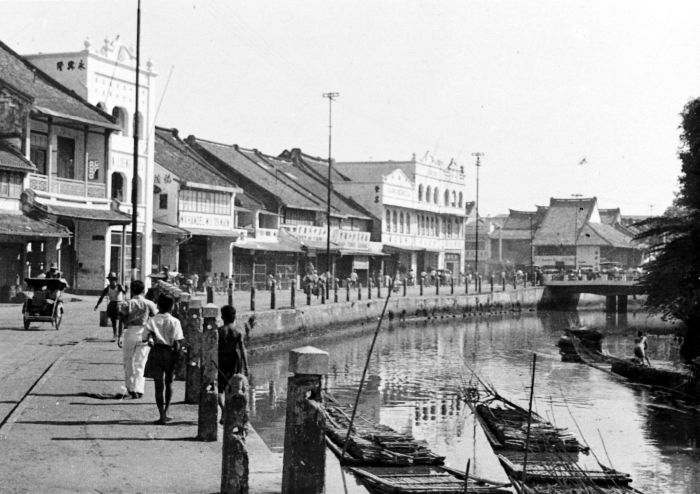
Geographic scope
In older and some modern usages the Indies may include continental South Asia, the large peninsulas and mainland areas of Southeast Asia, plus the large archipelagos of the maritime region. Typical lists of places encompassed by the term include:
- South Asia and Southeast Asia
- India
- Pakistan
- Bangladesh
- Myanmar
- Sri Lanka
- Maldives
- Thailand
- Cambodia
- Laos
- Brunei
- Singapore
- Philippines
- East Timor
- Malaysia
- Indonesia
History and naming
European use of "Indies" grew with long‑distance navigation and the search for trade routes. Explorers who sailed westward from Europe applied the label "West Indies" to the islands of the Caribbean, believing they had reached parts of Asia; by contrast, lands in or near the Indian Ocean and the Malay archipelago were commonly called the East Indies. From the same era come institutional names such as the Dutch East India Company and the British East India Company, which reflect how the term was used in commerce and colonization.
Characteristics and importance
The area called the Indies is extraordinarily diverse. It contains major river plains, highlands, vast islands, coral atolls and dense tropical forests. Linguistic, religious and cultural traditions vary widely across the region, and the area was historically central to long‑distance trade in spices, textiles and other commodities. Maritime routes across the Indian Ocean and through the Strait of Malacca linked its ports to Africa, the Middle East and East Asia.
Modern usage and distinctions
Today "Indies" is less common in technical geography but remains in historical, cultural, and popular contexts. "East Indies" appears in studies of colonial history, natural history, and the history of exploration. Care is often taken to distinguish the older, broad usage from present‑day political boundaries: contemporary maps and political discussions prefer specific country and region names rather than the umbrella term.
Notable distinctions include the clear pairing of East Indies versus West Indies, and the way colonial administrations sometimes used "Indies" in the names of possessions or companies. Because the areas involved are so varied—continental South Asia, mainland Southeast Asia, and maritime Southeast Asia—the single word "Indies" can obscure as much as it clarifies and is best used with context indicating whether people mean historical regions, colonial entities, or a loose geographic grouping.
Related articles
Author
AlegsaOnline.com Indies (South and Southeast Asia) Leandro Alegsa
URL: https://en.alegsaonline.com/art/47167