
Mountains of the Andes (4,000 m and above)
Overview and reference for Andes mountains at or above 4,000 metres: major peaks, geological origin, ecological and cultural significance, and how such lists are organized.
The Andes form the longest continuous mountain chain on Earth and contain hundreds of summits that reach or exceed 4,000 metres. This article explains how a list of Andean mountains of 4,000 m and higher is compiled, highlights major peaks and categories, and summarizes the range's geological and cultural importance. For general background on the chain see the Andes entry linked here.
Image gallery
1 Image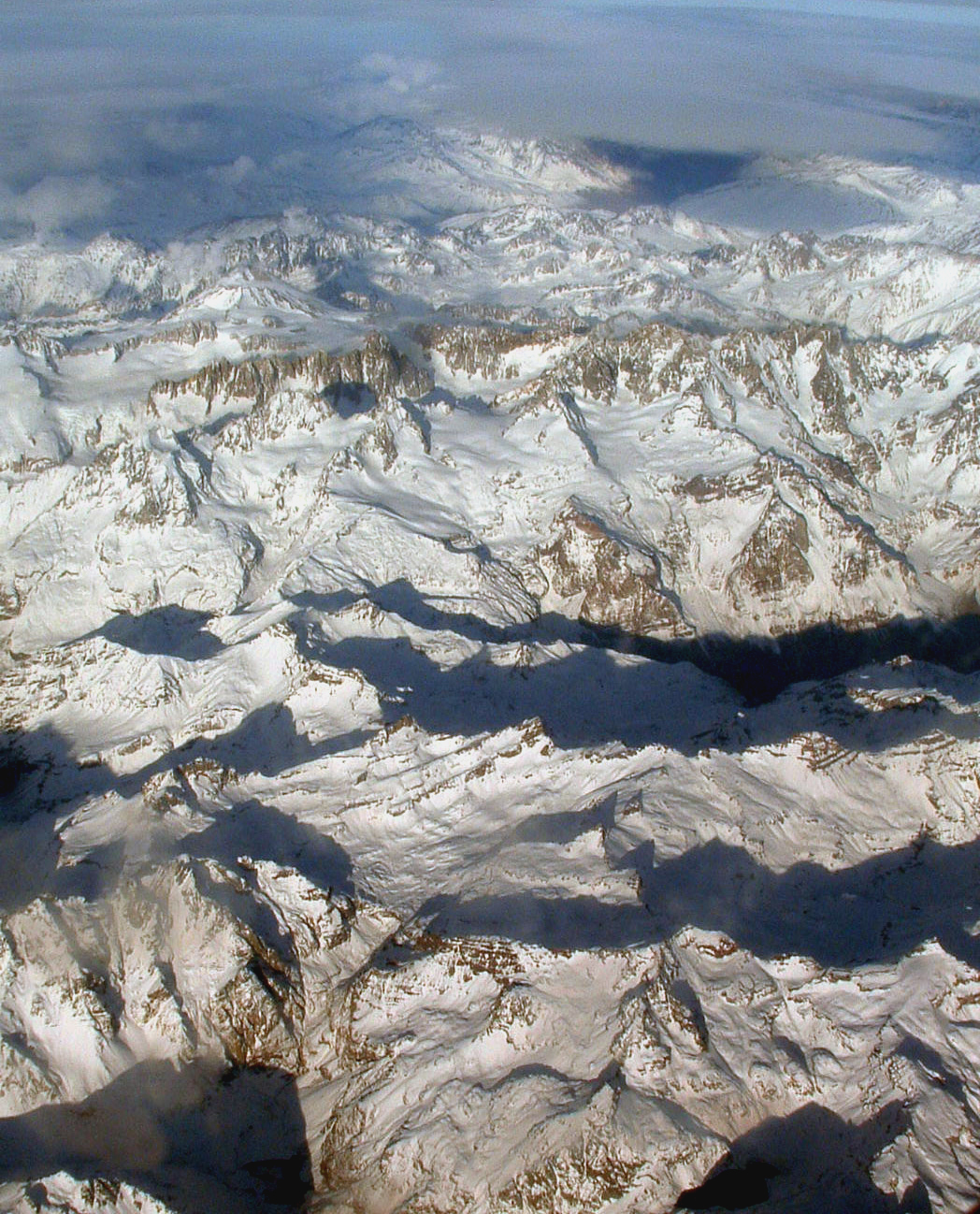
Criteria and general characteristics
A working list of Andean mountains typically includes summits with elevations of at least 4,000 metres (about 13,000 feet). These high peaks occur along the entire length of the range, from Venezuela and Colombia in the north through Ecuador, Peru, Bolivia and Chile to Argentina in the south. Many of the tallest Andean summits are volcanic, while others are part of uplifted crystalline massifs. Compared with the Himalayas, the Andes are lower on average but they are the longest exposed mountain system on the planet; see a comparison with the Himalayas for context.
Notable peaks and categories
- Aconcagua — the highest mountain in the Andes and in the Americas; often cited as the tallest outside Asia.
- Ojos del Salado — the highest volcanic summit in the world and one of the tallest Andean peaks.
- Huascarán, Chimborazo, Illimani — examples of high non-volcanic and volcanic summits that are important regionally for mountaineering and glaciology.
- Other categories include high plateau peaks, volcanoes with persistent fumarolic activity, and heavily glaciated summits that feed regional watersheds.
Some peaks are prominent for technical climbing, others for their cultural or religious significance to local indigenous groups. Chimborazo in Ecuador is widely noted for being the point on Earth farthest from the planet's centre because of equatorial bulge — a geographic curiosity often mentioned alongside elevation records.
Geology, ecology and human uses
The Andes arose through the subduction of the Nazca Plate beneath the South American Plate, producing uplift and widespread volcanism over millions of years. High-elevation zones support unique puna and paramo ecosystems, while Andean glaciers act as seasonal water stores for millions of people. The mountains are also rich in mineral deposits, which has driven a long history of mining, and they are major destinations for scientific research and high-altitude recreation.
When consulting a formal list of Andean peaks at and above 4,000 m, entries are often organized by elevation, by country, and by mountain massif or volcanic complex. Such lists may include coordinates, prominence, first ascent information when available, and notes on accessibility or protection status. For broader comparisons of major mountain ranges and their highest summits see related resources such as comparative mountain listings.
Questions and answers
Q: What is the criteria for the mountains to be included in the list of mountains in the Andes?
A: The mountains included in the list of mountains in the Andes should be at least 4,000 metres (13,000 ft) high.
Q: What are the Andes?
A: The Andes are the longest exposed mountain range in the world and the second-highest after the Himalayas.
Q: What is the height of a mountain to be included in the Andes?
A: A mountain must be at least 4,000 metres (13,000 ft) high to be included in the Andes.
Q: What is the significance of Andes in terms of height?
A: The Andes mountain range is the highest mountain range outside Asia.
Q: What is unique about the Andes?
A: The Andes are the longest exposed mountain range in the world.
Q: What is the height of the mountains in the Andes?
A: The mountains in the Andes that are included in the list should be at least 4,000 metres (13,000 ft) high.
Q: What is the significance of the Himalayas and Andes in terms of height?
A: The Himalayas and Andes are the two highest mountain ranges in the world.
Related articles
Author
AlegsaOnline.com Mountains of the Andes (4,000 m and above) Leandro Alegsa
URL: https://en.alegsaonline.com/art/124842