
Inaba Province (historic province of Japan)
Inaba Province was a historical Japanese province in the area of modern Tottori Prefecture on Honshū, known for Tottori Castle, the White Hare legend, coastal plains and the Tottori Sand Dunes.
Overview
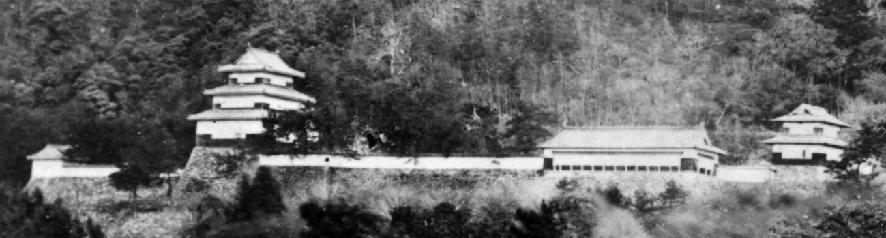
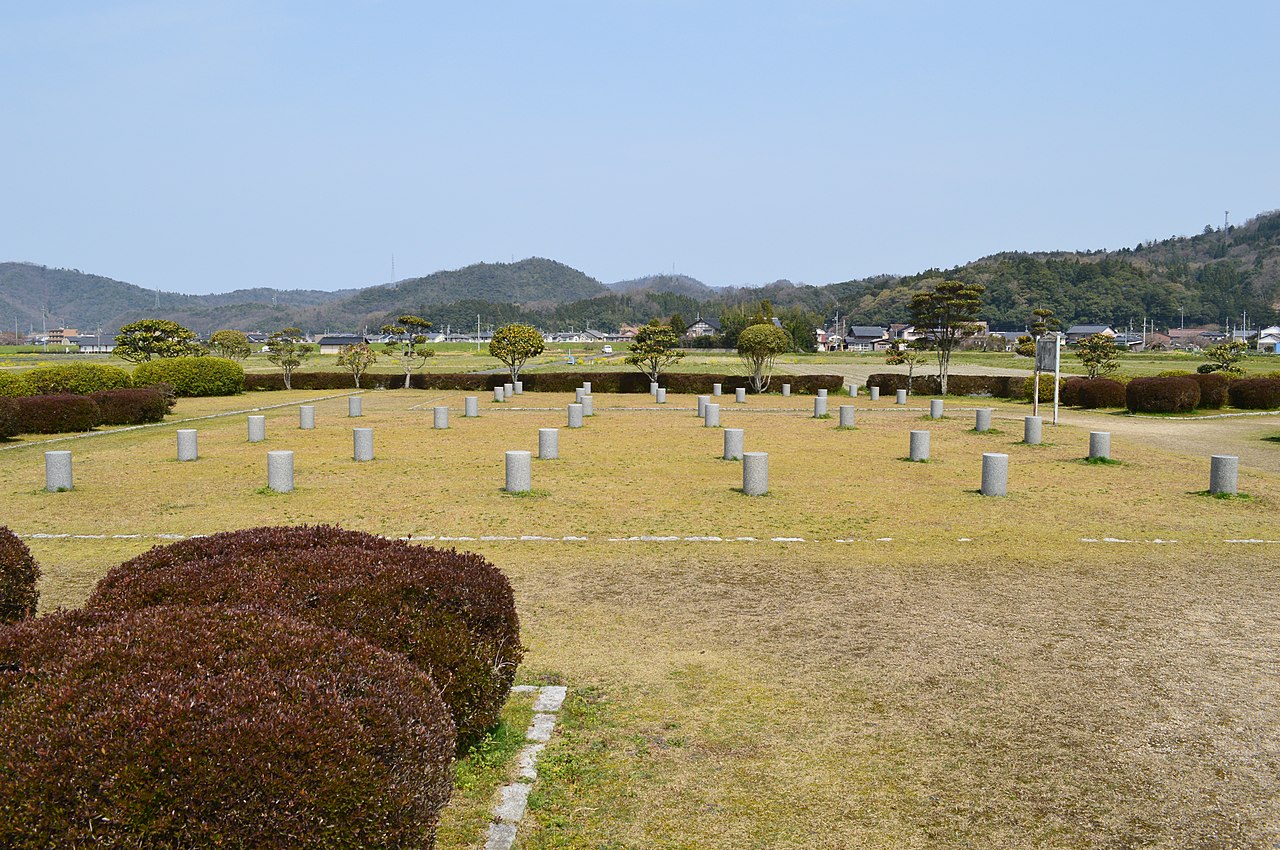
Inaba Province (Inaba-no kuni), often called Inshū, was a historical province of Japan located on the Sea of Japan side of Honshū. Its territory corresponds largely to the eastern portion of modern Tottori Prefecture. The ancient provincial capital and chief castle town was at Tottori (present-day Tottori city), which served as the administrative, judicial and commercial center for the region.
Image gallery
10 Images





Geography and boundaries
Inaba combined coastal plains, river basins and inland hills. Agriculture—especially rice cultivation—alongside fishing and local crafts sustained its economy. Historical cartography and regional studies record its limits and relations with neighboring provinces; see typical provincial border charts for period maps.
History and administration
Established within the classical ritsuryō administrative system, Inaba functioned as one of Japan’s kuni (provinces). During the feudal era the area was organized into domains (han); the most prominent was the Tottori Domain centered on Tottori Castle, ruled in the Edo period by branches of the Ikeda family. With the Meiji Restoration the han and provincial system were abolished and reorganized into modern prefectures; Inaba’s territory was incorporated into what became Tottori Prefecture.
Culture, notable sites and legacy
Inaba appears in classical Japanese literature and folklore, most famously in the Kojiki episode of the "White Hare of Inaba." Today the former province is noted for the Tottori Sand Dunes, historic castle remains, shrines and festivals that reflect its past. Although no longer an administrative unit, the name and historic boundaries of Inaba survive in local place names, cultural heritage studies and tourism focused on the San’in coast and inland traditions.
Related articles
Author
AlegsaOnline.com Inaba Province (historic province of Japan) Leandro Alegsa
URL: https://en.alegsaonline.com/art/46971
Sources
- books.google.com : "Inaba"
- books.google.com : "Provinces and prefectures"
- eos.kokugakuin.ac.jp : "Nationwide List of Ichinomiya," p. 2