
Tottori Prefecture
Tottori Prefecture is Japan’s least populous prefecture on Honshu, known for the Tottori Sand Dunes, Mount Daisen, coastal scenery, agriculture, historic sites and rural culture.

Tottori Prefecture sits on the Sea of Japan coast of Honshu and is the least populous of Japan’s prefectures. Its capital is the city of Tottori. The prefecture combines coastal plains, rugged coastline and volcanic highlands, offering a mix of natural scenery and small urban centers. For official information and visitor guidance see Tottori Prefecture resources.
Image gallery
10 Images



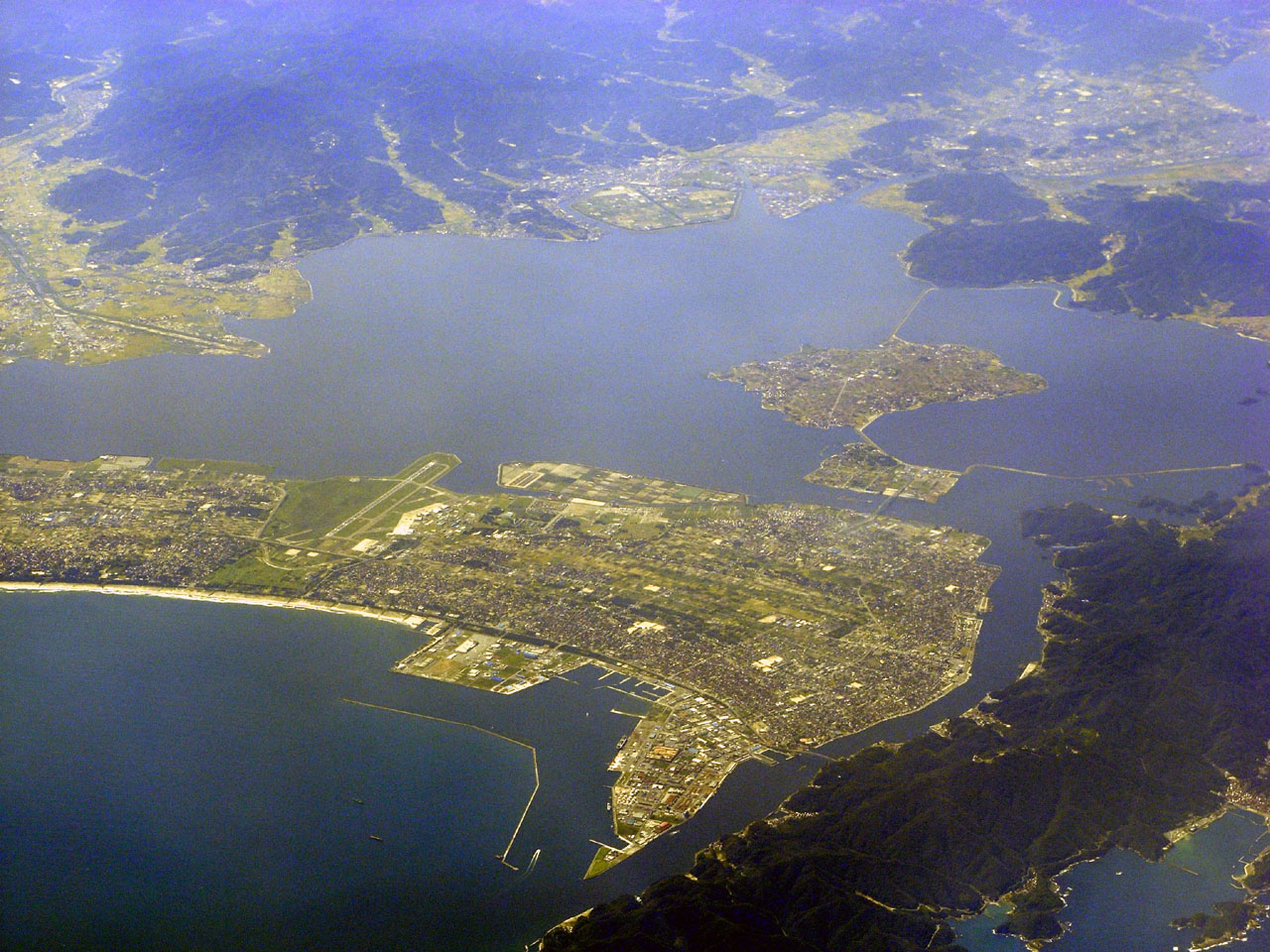
Geography and nature
Tottori’s landscape includes the famous Tottori Sand Dunes, extensive shoreline, and mountainous interior dominated by Mount Daisen and other peaks. Large areas are protected within national and quasi‑national parks, which conserve coastal cliffs, forested slopes and marine environments. The climate is influenced by the Sea of Japan, with snowfall in winter on the mountains and milder conditions along the coast.
History and administration
The area corresponds historically to the old provinces of Inaba and Hōki. During the feudal period it was governed by local domains and later reorganized in the Meiji era into the present prefectural system. Today Tottori is divided into several municipalities, with the city of Tottori serving as the administrative center; administrative details and municipal maps are available via prefectural divisions.
Economic activity leans toward agriculture, fishing and small industry. The region is known for fruit cultivation—particularly pears—and for seafood harvested from the Sea of Japan. Tourism centered on natural sites, hot springs and cultural attractions also contributes to the local economy.
Attractions and culture
Tourist highlights include:
- The Tottori Sand Dunes and the Sand Museum, which exhibit large sand sculptures and shifting dune landscapes.
- Mount Daisen, offering hiking, ski areas and religious sites.
- Scenic coasts such as the Uradome Coast and fishing ports like Sakaiminato, home to a popular manga‑themed street celebrating Mizuki Shigeru’s characters.
Local festivals, traditional crafts and onsen towns reflect a predominantly rural culture that values landscape and seasonal food. The prefecture is known for quieter, less crowded travel experiences compared with Japan’s major urban centers.
As Japan’s least populous prefecture, Tottori faces common rural challenges such as aging populations and depopulation of smaller communities, while also promoting conservation, sustainable tourism and local products to sustain its economy and heritage. It lies within the broader Chūgoku region and plays a distinctive role in the region’s natural and cultural mosaic.
Related articles
Author
AlegsaOnline.com Tottori Prefecture Leandro Alegsa
URL: https://en.alegsaonline.com/art/100842
Sources
- books.google.com : "Tottori Prefecture"
- books.google.com : "Chūgoku"
- books.google.com : "Tottori"
- books.google.com : "Provinces and prefectures"
- env.go.jp : "General overview of area figures for Natural Parks by prefecture"
- eos.kokugakuin.ac.jp : "Nationwide List of Ichinomiya," p. 3