
Iftar — The Evening Meal to Break the Ramadan Fast
Iftar is the evening meal when Muslims break the daily fast in Ramadan. It combines religious practice, communal meals, traditional foods, prayer, and charitable hospitality across diverse cultures.
Overview
Iftar (Arabic: إفطار) is the meal that ends the daily fast at sunset during the month of Ramadan. Observant Muslims fast from dawn until Maghrib, the time just after sunset, when they break the fast with food and drink. The term exists in many languages and regions—for example, it is called Afur in Somali—yet the essential practice is the same: to end the day's abstention from food, drink and other invalidating acts.
Image gallery
10 Images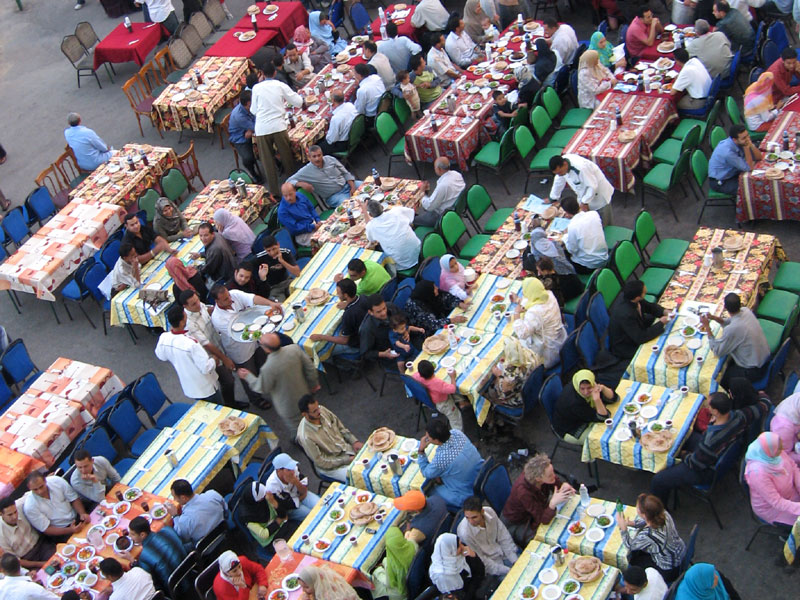





Typical customs and foods
Traditions vary widely by country and community, but many iftar meals begin with simple items and a short prayer before moving to a larger spread. A common pattern includes dates and water to break the fast, followed by a fuller meal. Mosques, families and charities often organize communal iftars to share food with neighbours and visitors.
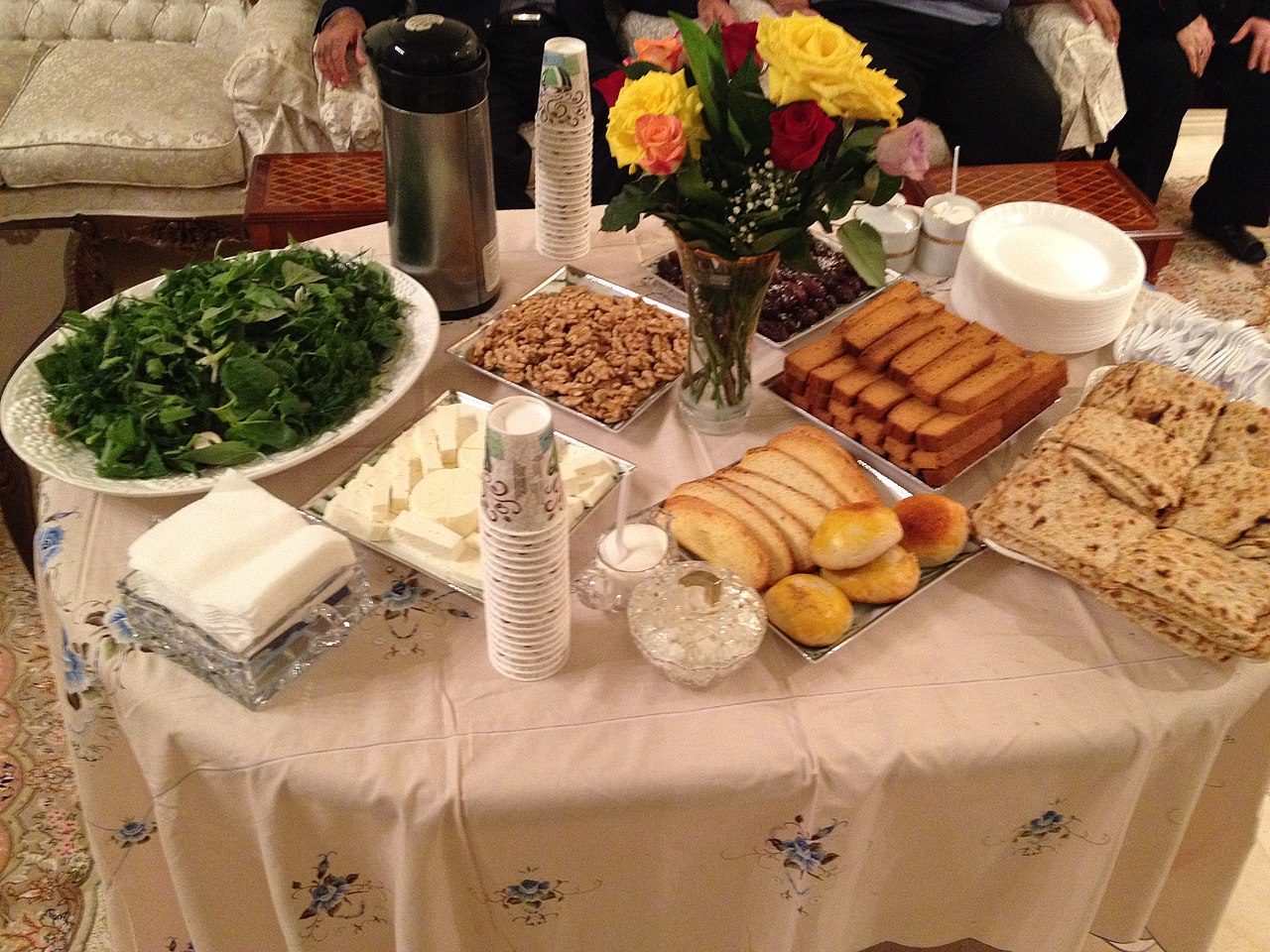
- Staples: dates, water, soups (lentil or chicken), breads and rice.
- Regional dishes: samosas and pakoras in South Asia, harira in North Africa, kebabs and stews in the Middle East.
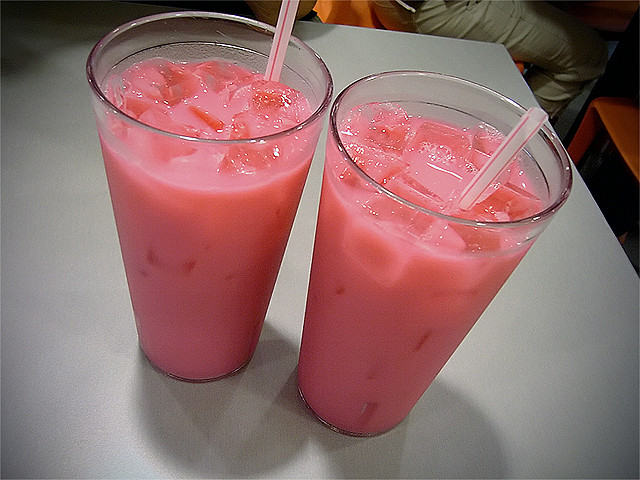
- Sweets and drinks: pastries, fruit juices, and special desserts served after the main meal.
Religious and social significance
Iftar is both a religious act and a social occasion. It marks the daily completion of worshipful self-discipline during a sacred month and is frequently accompanied by a brief fasting-related supplication. Many Muslims observe the recommended dua at the instant of breaking the fast: ذَهَبَ الظَّمَأُ وَابْتَلَّتِ الْعُرُوقُ وَثَبَتَ الأَجْرُ إِنْ شَاءَ اللَّهُ — "Thirst has gone, the arteries are moist, and the reward is sure, if Allah wills." Iftar gatherings reinforce family bonds and communal solidarity, and they often serve as occasions for distributing charity.
History and development
The practice of breaking the daily Ramadan fast dates to the earliest generations of Muslims and is tied to the religious calendar and daily prayer times. Over centuries, local culinary traditions shaped the meals served at iftar, producing a wide variety of customary dishes. The timing is linked to the prayer schedule, particularly the sunset prayer, and to astronomical determinations of dawn and dusk.
Etiquette, health and notable points
Etiquette around iftar typically includes offering food to guests, saying a short prayer before eating, and avoiding excess. Many communities combine iftar with the evening congregational prayers (Taraweeh). Hosts and volunteers often organize public iftars to welcome the needy and travellers. For health, gradual re‑feeding—starting with fluids and light foods—is commonly recommended after a long fast.
Further reading and terms
For linguistic and cultural details see entries on the words and practices: Arabic terms, the concept of breaking the fast, the broader Islamic rituals, and how communities observe this holy month. See also local guides and community calendars for precise Maghrib times and organised iftar events.
Related articles
Author
AlegsaOnline.com Iftar — The Evening Meal to Break the Ramadan Fast Leandro Alegsa
URL: https://en.alegsaonline.com/art/46582