
Instant soup: varieties, preparation, preservation, and history
Overview of instant soup: common forms (powdered, cup, canned, freeze-dried), how they are made and prepared, storage and nutrition considerations, and a brief history.
Instant soup refers to commercially prepared soup products that are designed for rapid or simple cooking and serving. These products are manufactured to have long shelf life and fast rehydration or reheating, making them convenient for home, work, travel, and emergency use. For a general introduction to the category see instant soup.
Image gallery
8 Images
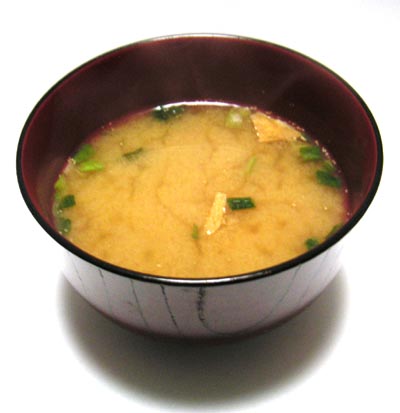


Common types and characteristics
Instant soups appear in several formats: powdered mixes, freeze-dried cups, shelf-stable cans, and condensed soups that must be diluted. Powdered or dehydrated mixes usually contain dried vegetables, bouillon, noodles or grains, and powdered seasoning. Freeze-dried cups preserve shape and texture better and reconstitute quickly with hot water. Canned soups are pre-cooked and sealed; some are ready-to-heat while others are condensed and require added water. For the industrial side of production and packaging, manufacturers employ large-scale processing lines and preservation methods described by industry resources such as commercial processing.

Preservation and production methods
Preservation techniques used in instant soups include air-drying, drum-drying, spray-drying, freeze-drying, canning, and thermal sterilization. Each method balances cost, shelf life, flavor retention, and texture. Powdered soups are often created by spray-drying a seasoned stock; freeze-drying captures more of the original ingredients' structure and aroma but is more costly. Heat processing and hermetic sealing are standard for canned varieties to ensure safety and extended storage; general guidance on preservation approaches can be found at preservation resources.
Preparation and typical uses
Preparation instructions vary by format. Powdered mixes typically require stirring into hot water and heating briefly, while freeze-dried cups are rehydrated with boiling water poured directly into the container. Canned soups generally only need reheating; condensed cans require dilution to the labeled concentration first. Instant soups are popular as quick meals, emergency rations, camping food, student fare, and as a base for adding fresh ingredients like herbs, cooked meats, or vegetables to improve nutrition and taste.

History and notable examples
The modern concept of instant noodle soup gained worldwide recognition after the invention of instant noodles in the mid-20th century; the instant noodle is a close relative of instant soup and helped popularize quick, shelf-stable noodle-based soups. Many culinary traditions have been adapted into instant forms, for example instant miso soup packets that reconstitute into a tofu-and-seaweed broth — a packaged variety frequently labeled as instant miso. A common instant noodle example appears in discussions of convenience foods as ramen.

Nutrition, quality, and distinctions
Instant soups offer convenience but vary widely in nutritional value. Many contain high sodium, added flavor enhancers, and preservatives; however, some premium or fortified products aim to provide more balanced macronutrients and lower salt. Consumers often distinguish between low-cost, highly processed mixes and higher-quality freeze-dried or freshly prepared refrigerated options. When choosing instant soups, check ingredient lists and serving sizes, and consider adding fresh vegetables or protein to improve nutrient density.
Further reading and resources
- Category overview and product types: instant soup overview
- Industrial processing and packaging: manufacturing methods
- Preservation techniques and food safety: preservation methods
- Instant noodle and soup cultural context: instant ramen background
- Examples of traditional soups adapted to instant format: instant miso and similar products
This entry summarizes typical forms, preparation, and considerations for instant soup while highlighting differences among powdered, freeze-dried, and canned varieties. For hands-on guidance on using a particular product, follow the manufacturer’s instructions printed on its packaging.
Related articles
Author
AlegsaOnline.com Instant soup: varieties, preparation, preservation, and history Leandro Alegsa
URL: https://en.alegsaonline.com/art/47467