
Instant noodles: history, varieties, preparation, and cultural impact
Comprehensive overview of instant noodles: what they are, how they are made and prepared, common formats and regional varieties, health considerations, industry players, and cultural role worldwide.
Instant noodles are a shelf-stable convenience food made from precooked and dried noodle dough, typically sold with one or more seasoning components. They are designed for rapid preparation by rehydration with hot water, and are available in packets, cups, bowls and block formats intended for single portions. The convenience, long shelf life and low price of instant noodles make them widely used in homes, workplaces, student kitchens and relief supplies.
Image gallery
9 Images

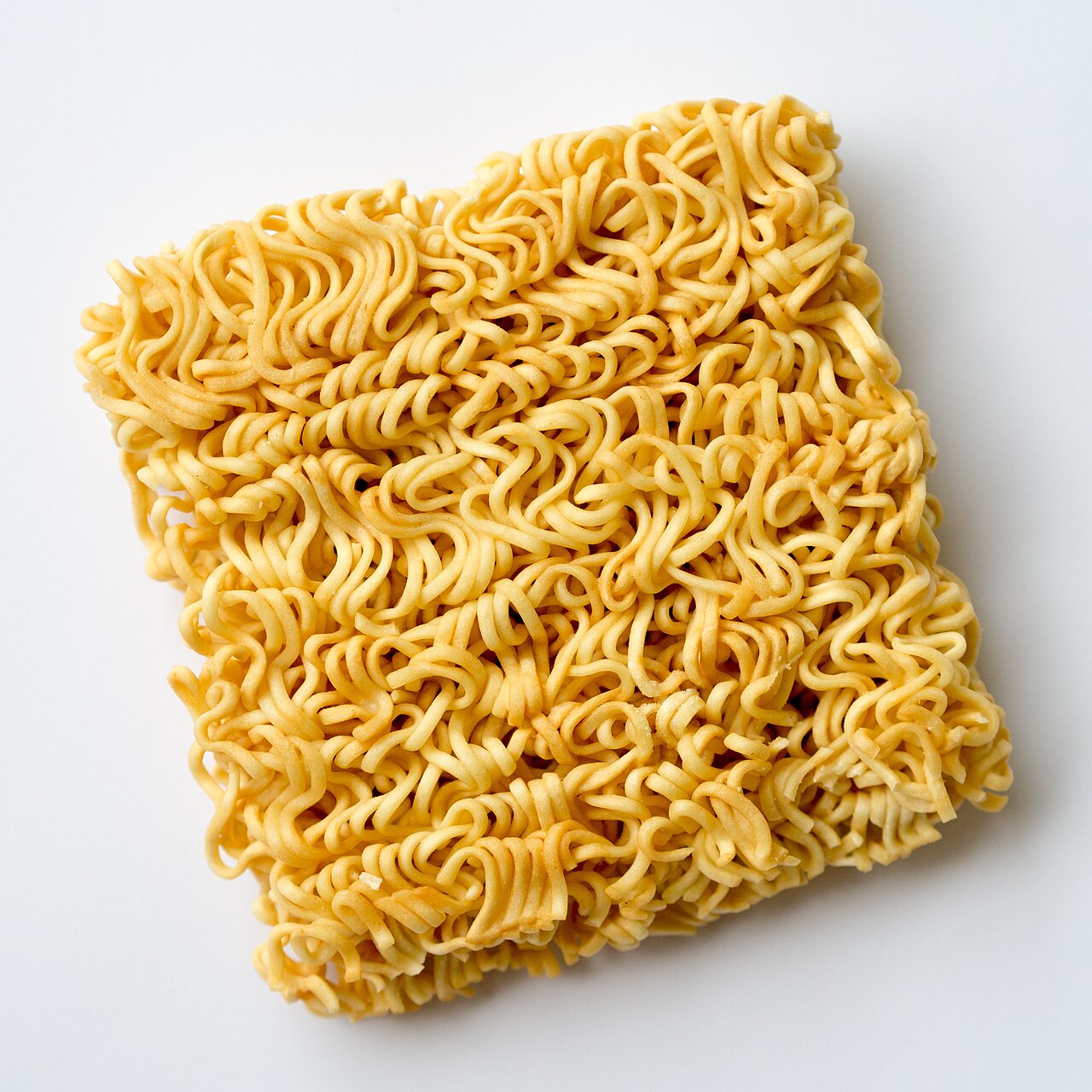


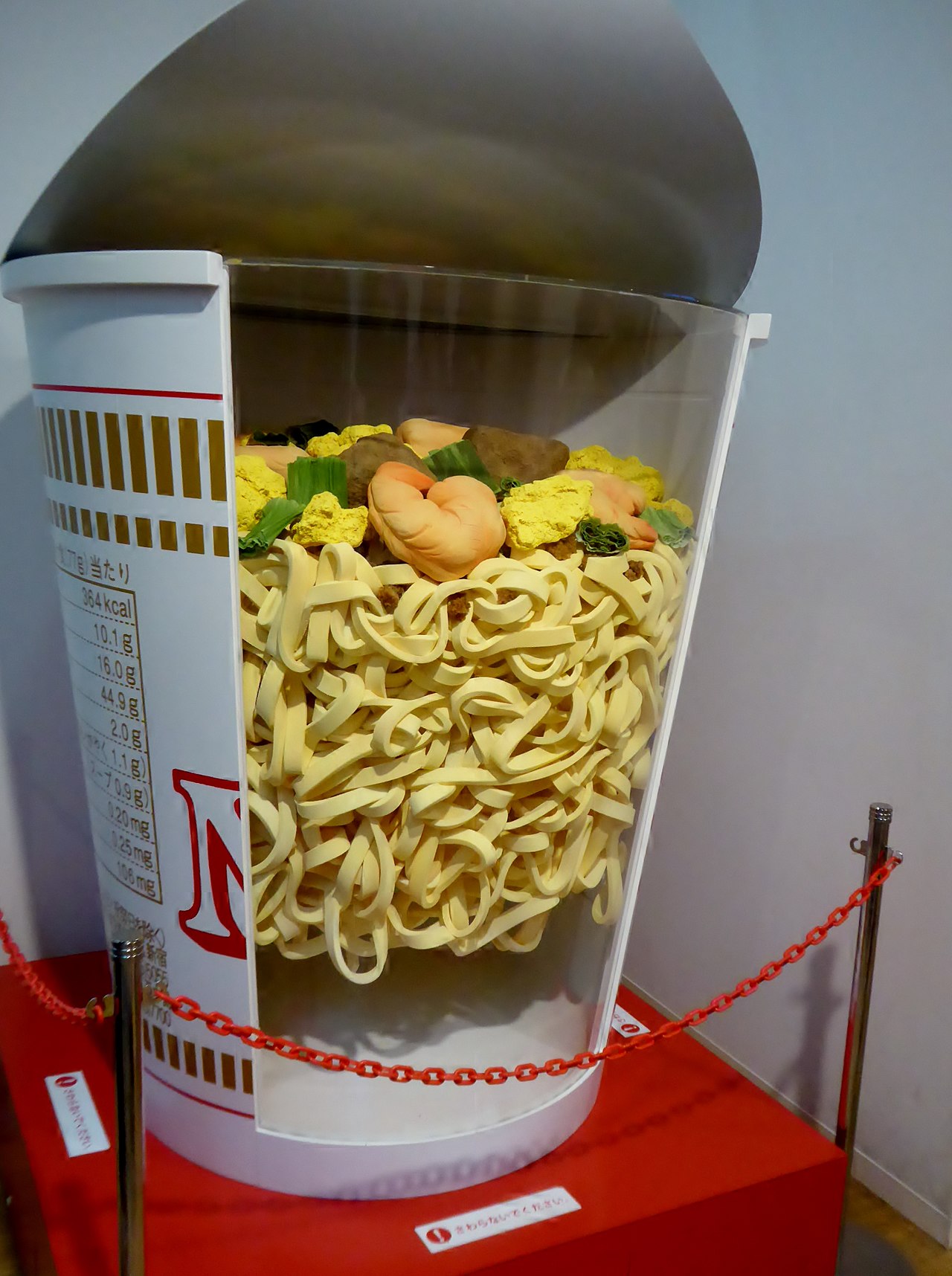


Composition and common formats
Most instant noodles are produced from wheat flour (or sometimes other flours), water, salt and a small amount of vegetable oil. The dough is sheeted and cut into strands, which are then cooked and dehydrated to extend shelf life. Dehydration is commonly achieved by deep-frying the strands in oil or by hot-air drying; frying produces a characteristic texture and shorter rehydration time, while air-dried noodles can have lower fat content. Manufacturers frequently include one or more seasoning sachets containing a powdered soup base, concentrated sauce, oil, or dried vegetable and protein inclusions. For an overview of factory preparation, see factory-prepared noodles, and for methods of dehydration compare dehydration methods.
Preparation and serving
Typical preparation requires placing the noodles in hot water for a few minutes, then adding the seasoning and stirring. Cup and bowl products are designed for preparation directly in the container by adding boiling water and waiting the specified time. Some products are sold dry for use in stir-fry dishes and are cooked in a pan rather than rehydrated in a broth. Many home cooks enhance plain packets by adding fresh vegetables, eggs, tofu or cooked meats to improve nutrition and flavor. For ideas and recipe variations, consult recipe guides that show common ways to augment instant noodles.
Varieties and regional differences
Instant noodles exist in a wide range of textures and flavor profiles: thin or thick strands, curly or straight; soup-based broths ranging from clear consommés to rich, fatty broths; and sauced or stir-fry styles sold without broth. Regional taste preferences shape available flavors—spicy and pungent profiles are popular in some East and Southeast Asian markets, while milder, savory broths may dominate in others. Local manufacturers adapt seasoning packets to reflect national cuisines, and occasional premium lines add freeze-dried ingredients or specialty sauces. For surveys of market offerings and flavor trends across regions see regional product summaries.
Origins and commercial development
The modern instant noodle concept was developed in the mid-20th century and quickly became a global convenience food. A Japanese inventor is widely credited with creating the first commercially successful instant noodle product and later popularizing the cup format that allowed preparation without separate cookware. The postwar period saw rapid industrialization of production and expansion into international markets, with many companies introducing localized flavors and packaging innovations. Historical reviews and company histories provide more detail on these developments; a useful starting point is historical overview.
Nutritional aspects and public health considerations
Instant noodles are convenient but often raise nutritional concerns when consumed as the main part of a diet. Many instant products contain high levels of sodium and may include saturated fats if the noodles were fried during processing. Their micronutrient content is limited unless fortified or eaten with complementary foods. Public health guidance typically recommends limiting frequent consumption of high-sodium convenience foods and encouraging additions of vegetables, legumes, lean proteins and reduced-salt seasoning choices. For detailed nutrition data and advice, consult nutrition resources.
Manufacturers and industry
The global instant noodle market includes multinational corporations and a large number of regional producers. Well-known brands and manufacturers include Maggi (Nestlé), Nissin (makers of Top Ramen and Cup Noodles), Maruchan, Nongshim, Indomie and others. Companies often compete through flavor innovation, packaging convenience and pricing, while some target premium or health-conscious segments with reformulated or fortified products. For company-specific information and brand histories see brand archives and industry summaries.
Cultural role and sustainability
Instant noodles have taken on cultural significance beyond mere convenience: they figure in student life, budget cooking, expedient meals for busy households and as part of emergency food supplies. Chefs and food enthusiasts sometimes use instant noodles as an ingredient in inventive dishes or to recreate regional flavors quickly. At the same time, concerns about single-use packaging, food waste and the environmental impact of oil-fried processing have prompted manufacturers and consumers to seek improvements such as recyclable packaging, air-dried formulations and lower-sodium recipes. Ongoing product development aims to balance convenience, taste, nutrition and environmental considerations.
Storage and safety
Instant noodles are stable at room temperature for extended periods when unopened, but should be stored in a cool, dry place away from strong odors and moisture. After opening, leftover cooked noodles should be refrigerated and consumed within a short time to reduce the risk of spoilage. Attention to expiration dates and safe handling helps retain quality and reduce health risks.
Because of their affordability, long shelf life and adaptability, instant noodles remain a significant convenience food worldwide. They continue to evolve through innovations in processing, flavorings and packaging while attracting both criticism and creative culinary use.
Further reading and practical resources: manufacturing notes, processing comparisons, recipes and preparation tips, historical perspective, brand and regional guides, nutrition and safety guidance.
Related articles
Author
AlegsaOnline.com Instant noodles: history, varieties, preparation, and cultural impact Leandro Alegsa
URL: https://en.alegsaonline.com/art/47465