
Ramadan — the Islamic month of fasting, prayer and reflection
Ramadan is the ninth month of the Islamic lunar calendar, observed by Muslims worldwide with daytime fasting, special prayers, scripture recitation, charity, and communal meals ending in Eid al-Fitr.
Ramadan is the ninth month of the Islamic lunar year and is observed by many Muslims as a period of fasting, prayer and spiritual renewal. The month follows the cycles of the moon, so its start shifts each year relative to the solar calendar; more about the calendar can be found via Islamic calendar resources. During Ramadan most adult Muslims refrain from eating, drinking and other activities from dawn until sunset—practices commonly described as fasting.
Image gallery
10 Images


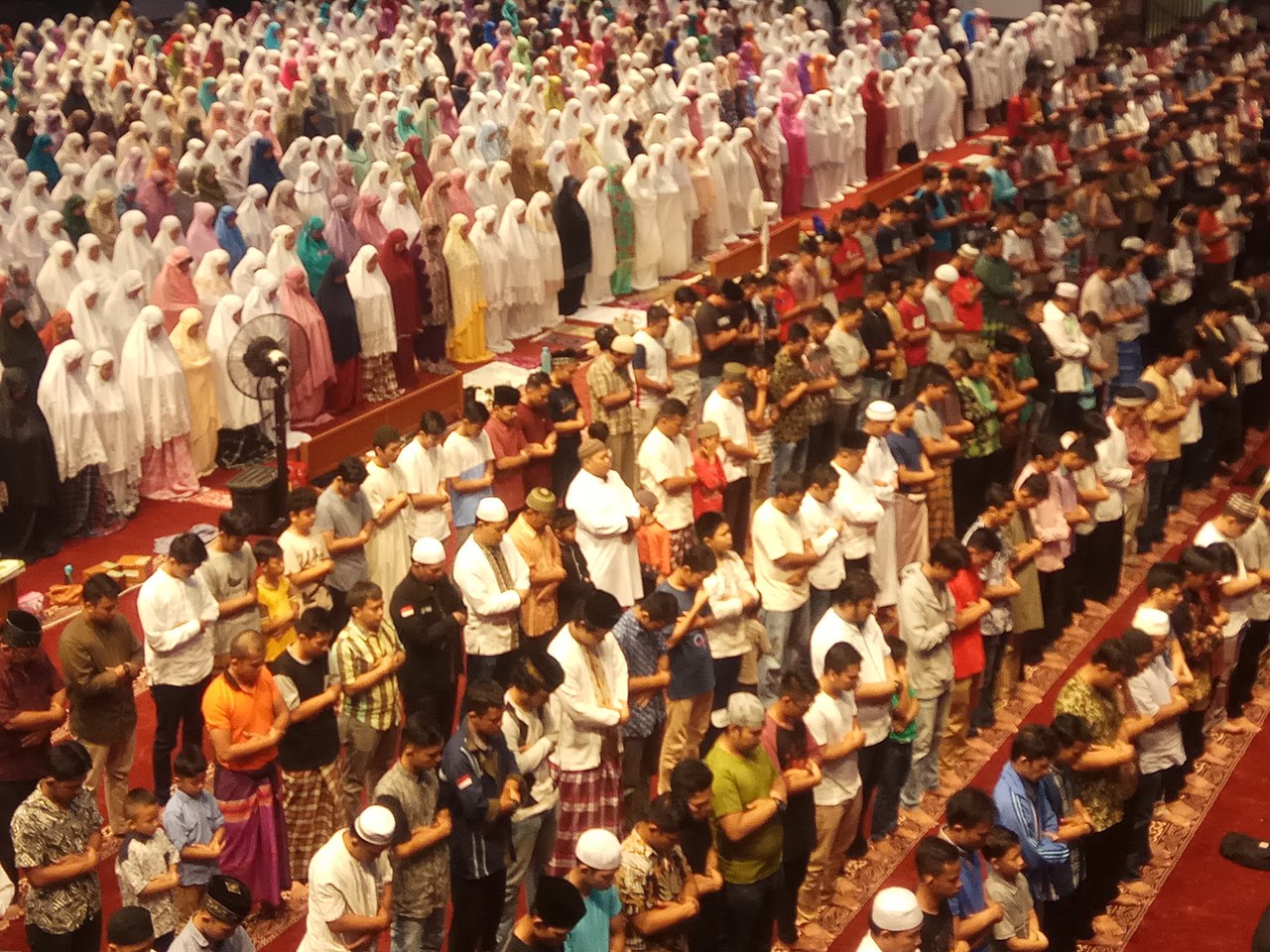


Daily practices and observances
Daily life in Ramadan is shaped by several rituals. Pre-dawn meals (suhoor) are taken before the fast begins each day, and the fast is broken at sunset with the iftar meal. Evenings often include communal prayers (taraweeh) in mosques, increased recitation of the Qur'an, and family gatherings. Important elements include extra charitable giving (sadaqah and zakat for those eligible) and efforts at self-discipline and empathy for the less fortunate.
History and religious significance
Ramadan is traditionally associated with the revelation of the Qur'an and with Laylat al-Qadr, the “Night of Power,” which many Muslims regard as occurring during the final ten nights. The month has been observed since early Islamic history and is one of the Five Pillars of Islam in most Muslim communities: fasting is a central act of worship and communal identity.
Exemptions, health and legal considerations
There are widely recognized exemptions: children, the elderly, the sick, pregnant or nursing women, travelers and women during menstruation may be excused or defer fasting. Those who miss fasts for valid reasons commonly make them up later or follow other prescribed compensations. Health guidance advises people with medical conditions to consult professionals before fasting.
Cultural variety and modern observance
Observance of Ramadan varies with culture, climate and local custom. In countries with long summer days, fasting periods can be long; in other places communal iftars and workplace accommodations are common. The month concludes with a festive holiday, Eid al-Fitr, marked by prayer, visits, and charitable giving. Across the world, Ramadan blends devotional practices with social and charitable life, making it both a religious obligation and a time of community cohesion.
Notable distinctions: practices and emphasis differ among communities and schools of thought; some focus more on communal worship, others on private devotion, but fasting and increased charity remain central to nearly all observances.
Related articles
Author
AlegsaOnline.com Ramadan — the Islamic month of fasting, prayer and reflection Leandro Alegsa
URL: https://en.alegsaonline.com/art/81010
Sources
- articles.sun-sentinel.com : Ramadan: Muslims feast and fast during holy month