
Italian cuisine: regional traditions, key ingredients, dishes and influence
Overview of Italian food: defining ingredients, regional diversity, classic dishes and drinks, historical development, cultural role, and global influence.
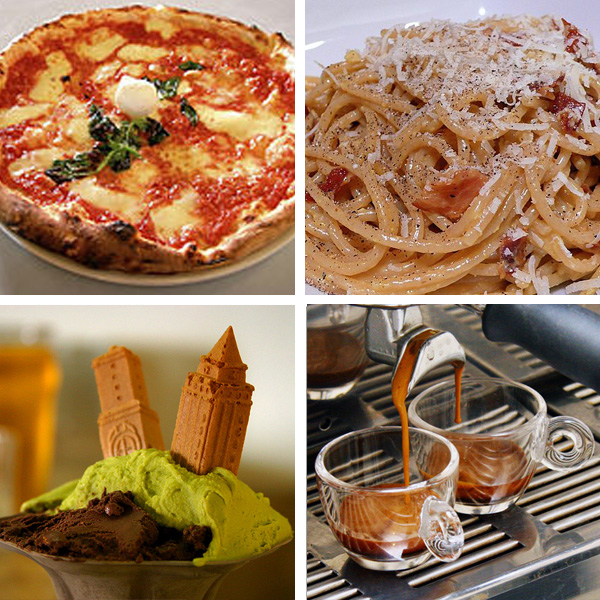
Italian cuisine refers to the culinary traditions originating on the Italian peninsula and islands. Rather than a single uniform style, it is a collection of regional cuisines shaped by geography, climate, local ingredients and historical contacts. Staples such as pasta and pizza are widely recognised worldwide, and desserts like cannoli and gelato are popular exports. Both red and white wine are central to many meals, and seafood preparations such as calamari or specifically fried calamari appear frequently on Italian menus (menu).
Image gallery
10 Images






Key ingredients and techniques
Many Italian dishes emphasize a few high-quality ingredients and straightforward techniques. Olives and olive products are foundational: whole olives are eaten and olive oil is the primary cooking and dressing fat across much of the country. Fresh herbs, ripe tomatoes, garlic and cured meats also figure prominently. Bread in Italy takes many forms distinct from French loaves, and strong coffee traditions such as espresso have spread internationally; learn more about Italian coffee culture. Sweet liqueurs like limoncello and other regional spirits are customary after meals.
Regional variety and characteristic dishes
Italy’s regions each have signature ingredients and preparations. Southern areas are known for bold, tomato-based and chili-accented dishes: the cuisines of Naples and Calabria showcase pronounced flavours. In the northwest, Liguria is famed for pesto and seafood from the coast near Liguria. Northern Italy, including the foothills of the Italian Alps, produces a variety of cheeses (cheese) and rice-based dishes such as risotto. These differences reflect climate, available crops and local history.
Common foods and how they are used
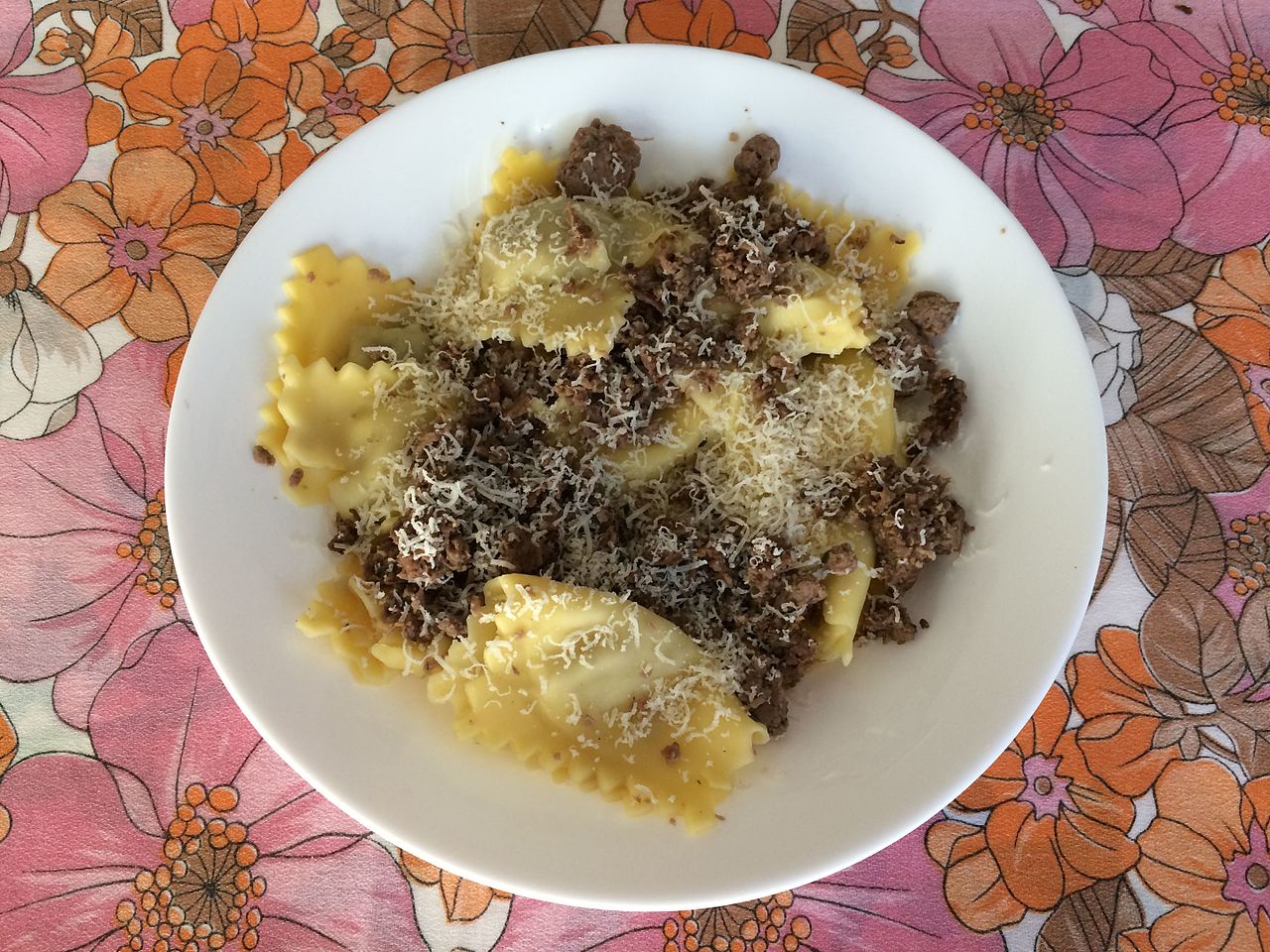
- Pasta: prepared in countless shapes and paired with sauces from light olive-oil-based dressings to rich ragùs (pasta).
- Pizza: originating from Naples, now adapted worldwide (pizza).
- Seafood: calamari and other fish are common on coastal menus (calamari, fried calamari).
- Desserts and drinks: cannoli, gelato and distinctive liqueurs accompany coffee and wine (cannoli, gelato, liqueurs, coffee, wine).
Cooking methods range from slow braising and baking to quick sautéing and grilling. Simple preparations often aim to highlight one or two prime ingredients rather than disguise them with heavy sauces.
History and cultural importance
Italian food has evolved over centuries through local innovation and outside influences: Roman, Mediterranean and later global exchanges introduced new crops and techniques (for example, tomatoes, originally from the Americas, became essential to many southern dishes). Meals are central to social life in Italy, with regional festivals and family gatherings often organized around seasonal produce and traditional recipes. The international popularity of Italian dishes has made many items household names while also encouraging regional specialities to be protected and promoted.
Distinctive characteristics include an emphasis on seasonality, balance of flavours, and respect for producers and raw ingredients. For travellers and cooks, exploring Italy’s cuisine means discovering differences from one town or valley to another — from the pesto sauces of Liguria and the cheeses of the Italian Alps to the fiery flavours of Calabria and the pizza traditions of Naples. Olive products (olives, olive oil), breads and coffee (coffee) remain indispensable elements of daily life, while the global diffusion of pasta, pizza and gelato (gelato) has made Italian food one of the most recognisable and influential culinary traditions worldwide.
Questions and answers
Q: What is Italian food?
A: Italian food is the food created by traditional Italian cooking.
Q: Is Italian food one type of food or is it regionalized?
A: Italian food is strongly regionalized, meaning that the cooking is different in different parts of Italy.
Q: What are some basic foods found all over Italy?
A: Some basic foods found all over Italy are pasta, pizza, cannoli pastry desserts, ice cream, and red or white wine.
Q: What are some dishes that often appear on Italian menus?
A: Calamari dishes of fried squid (fried calamari) are often on the menu.
Q: Are olives a popular food in Italy?
A: Yes, olives have been grown in Italy for thousands of years and are eaten, as well as being the basis of olive oil.
Q: What are some other common ingredients in Italian cooking?
A: Olive oil and vinaigrette or balsamic vinegar are always on the table or nearby. Italians also make many kinds of bread in a different style from French bread.
Q: What are some examples of Italian food from different regions?
A: Italian food is one of the most refined and varied in Europe, from the piquant flavours of Naples and Calabria to the pesto dishes of Liguria and the cheese and risotto dishes of the Italian Alps.
Related articles
Author
AlegsaOnline.com Italian cuisine: regional traditions, key ingredients, dishes and influence Leandro Alegsa
URL: https://en.alegsaonline.com/art/48589
Sources
- m-w.com : "Definition of calamari"