
Italian wine: regions, grape varieties, styles and cultural significance
Survey of Italian wine covering its history, principal regions and grapes, classification system, major styles (still, sparkling, sweet), food pairings, and cultural and economic importance.
Overview
Italian wine refers to wines produced throughout Italy's diverse regions and traditions. Italy is among the oldest and most varied wine-producing areas in the world, with practices shaped by millennia of local agriculture, trade and regional tastes. Italian wines range from light, everyday table wines to ageworthy reds and celebrated sparkling and dessert wines.
Image gallery
10 Images





History and development
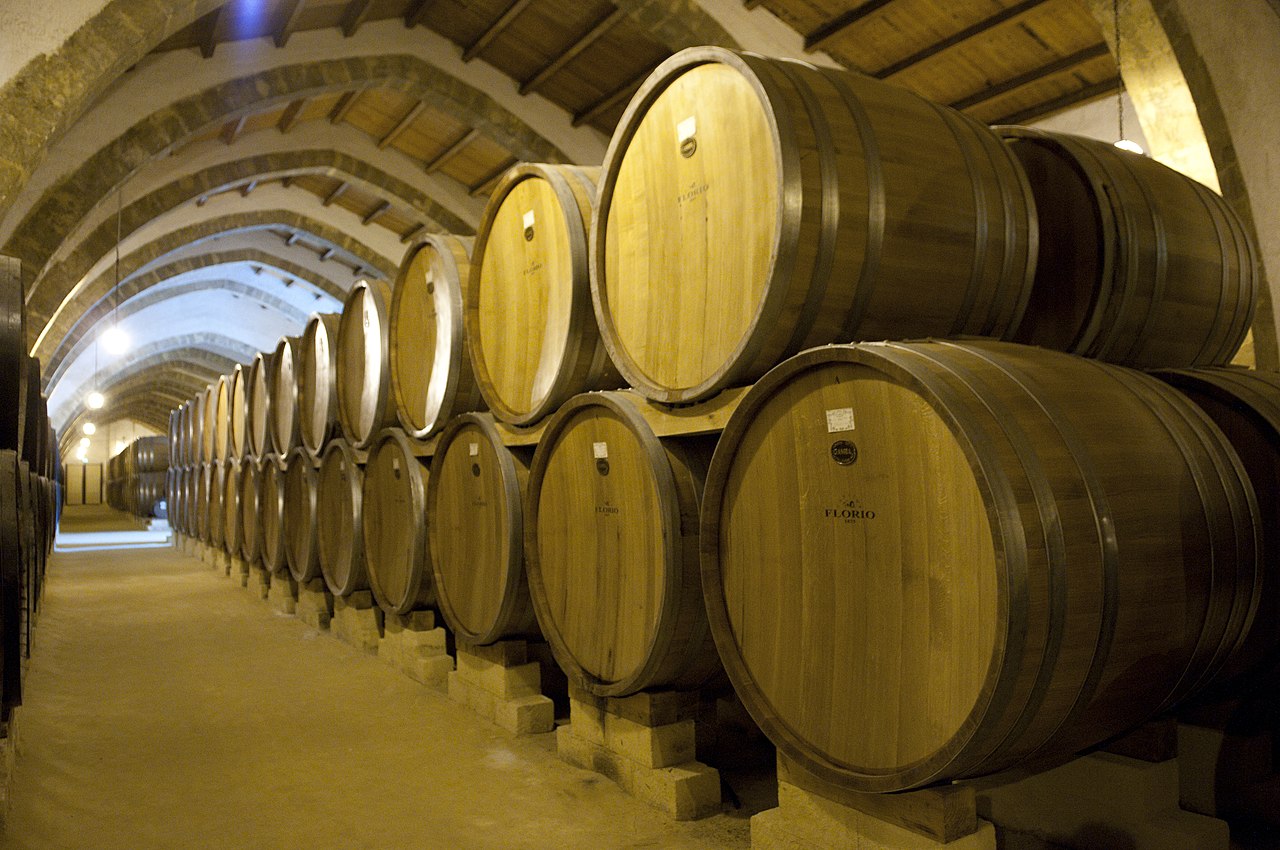
Viticulture in the Italian peninsula predates the Roman era, with Etruscan and Greek influences establishing many early vineyards. Under Roman rule wine production and trade expanded widely across the Mediterranean. After the fall of Rome, monasteries and local communities preserved vine growing and winemaking techniques. In modern times Italy’s wine industry combined traditional methods with scientific advances to raise quality and consistency, while retaining strong regional identities.
Regions, grapes and characteristics
The character of Italian wine is closely tied to geography. Northern regions tend to produce lighter whites and fragrant reds, while central and southern regions often yield fuller-bodied and sun-rich wines. Notable regions and typical grapes include:
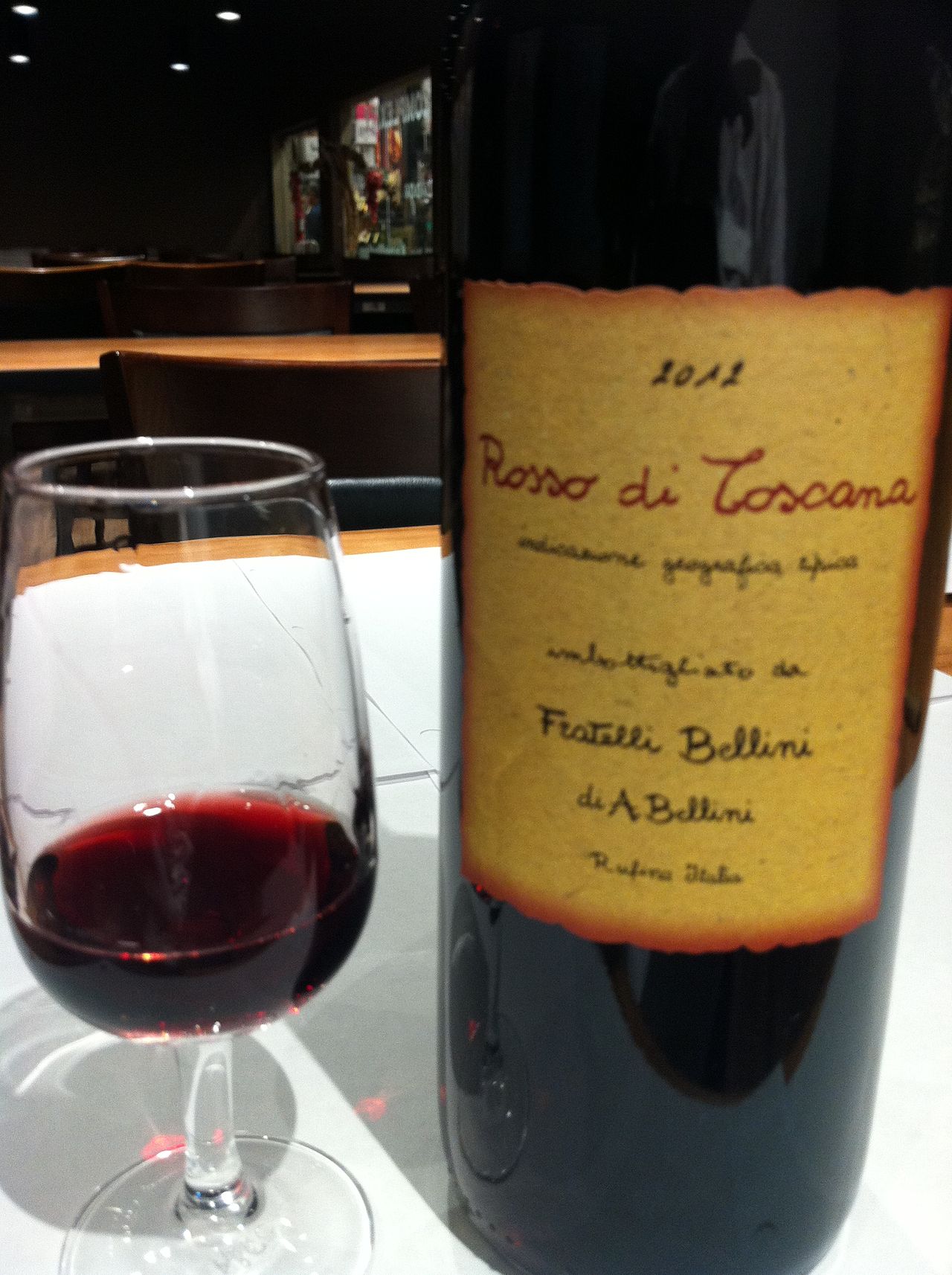
- Tuscany — Sangiovese blends such as Chianti and Brunello di Montalcino
- Piedmont — Nebbiolo-based wines like Barolo and Barbaresco
- Veneto — Prosecco and Amarone from Corvina blends
- Sicily and Puglia — robust local varieties and fortified styles
Classification, styles and winemaking
Italy’s quality framework distinguishes regional and traditional wines using tiers that emphasize origin and production rules. Producers make a wide spectrum of styles: light whites, structured reds, sparkling wines produced by both traditional and Charmat methods, sweet and fortified examples, and everyday table wines. Many producers combine modern cellar techniques with time-honored practices such as appassimento (partial drying of grapes) for concentrated flavors.
Food, culture and commerce
Wine is integral to Italian culinary culture and is commonly enjoyed with meals and social gatherings. Typical pairings emphasize balance between wine acidity, tannin and the flavors of regional cuisine. Italian wines are also important export products and appear in global markets; appreciation for particular appellations and indigenous grapes has grown worldwide. For summaries of regional specialties and practical guides to styles, see regional overviews, introductory resources on viticulture at wine basics and practical food-pairing suggestions at pairing guides.
Notable distinctions
Important points to recognize are the strong link between grape variety and terroir, the coexistence of long-standing family estates and modern producers, and Italy’s emphasis on local grape varieties rather than international ones. Labels may indicate a protected designation, a local place name, or broad table wine status—each carrying different expectations of style and regulation.
Questions and answers
Q: What are Italian wines?
A: Italian wines are wines produced in Italy, which is the oldest wine-producing region and is considered to be among the best wines in the world.
Q: What is the popularity of wine in Italy?
A: Wine is a very popular beverage in Italy. Many Italians have it with every meal and in-between, and they also serve it to guests as soon as they arrive.
Q: Where do Italian wines come from?
A: Italian wines come from Italy, which is the oldest wine producing region.
Q: Are Italian wines considered to be among the best wines in the world?
A: Yes, Italian wines are considered to be among the best wines in the world.
Q: How do Italians consume wine?
A: Italians consume wine with every meal and in-between, and they serve it to guests as soon as they arrive.
Q: What is the historical significance of Italian wines?
A: Italy is the oldest wine-producing region, so Italian wines have significant historical significance.
Q: What is the cultural significance of wine in Italy?
A: Wine is a cultural significance in Italy. Italians have it with every meal and in-between, and they offer it to guests as soon as they arrive.
Related articles
Author
AlegsaOnline.com Italian wine: regions, grape varieties, styles and cultural significance Leandro Alegsa
URL: https://en.alegsaonline.com/art/48612