
Anti-fascism: origins, movements, and forms of opposition
Anti-fascism is the political and social opposition to fascist ideologies, parties and regimes. It emerged in the 1920s and has taken many forms, from electoral politics to armed resistance and grassroots activism.
Overview
Anti-fascism refers to the wide range of ideas, organizations and actions that oppose fascist ideologies, parties, governments and individuals. It is not a single ideology but a stance shared by people and groups across the political spectrum who reject authoritarian nationalism, violent suppression of dissent, and racial or ethnic exclusion. Anti-fascism has appeared in different languages and contexts, and its methods and goals have varied with time and place.
Image gallery
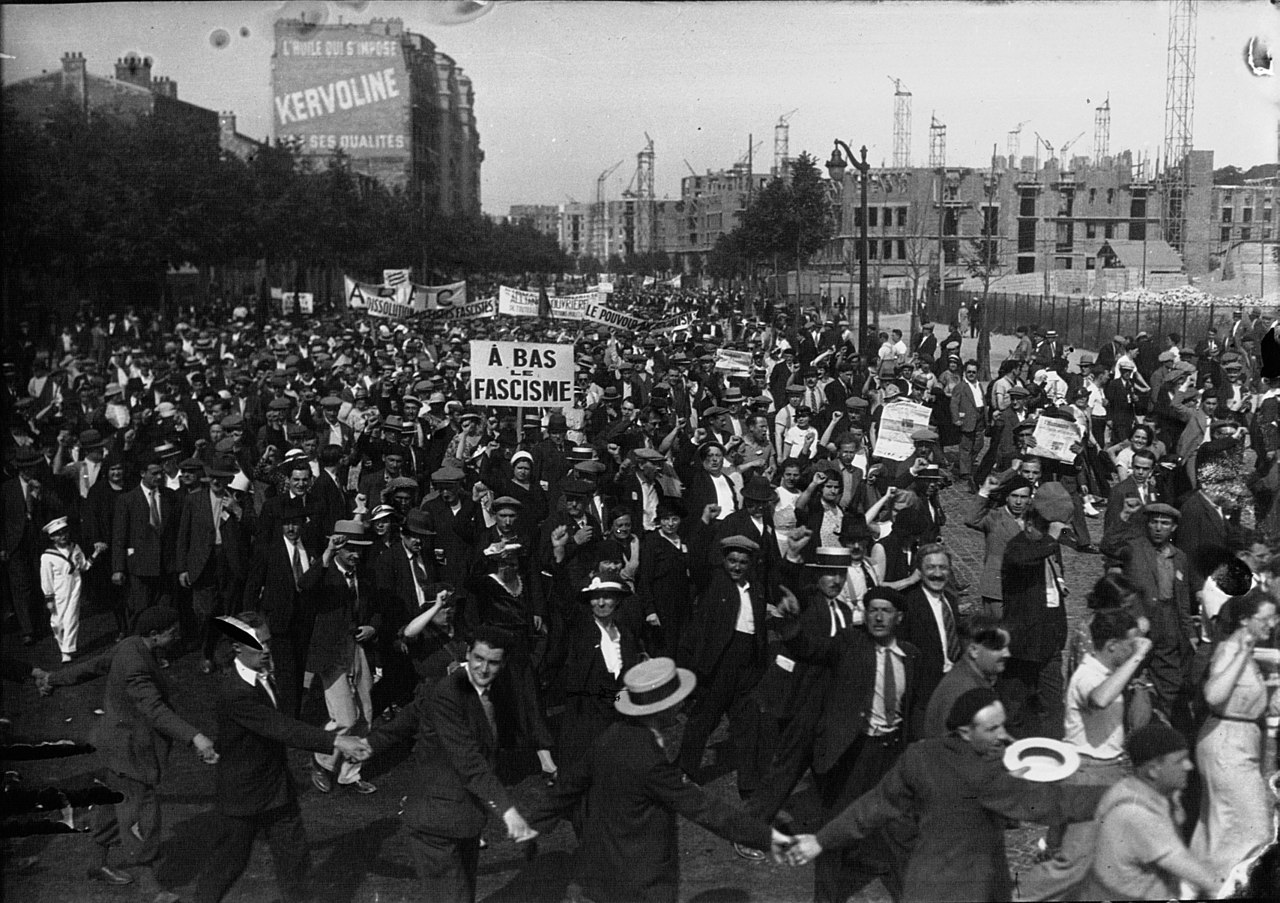
10 Images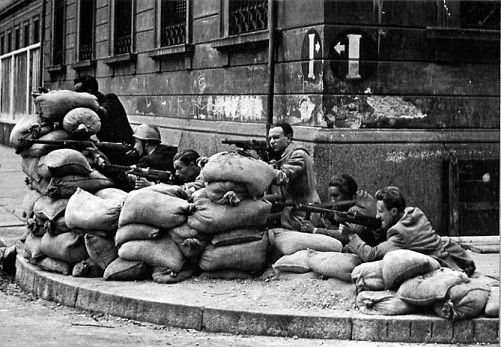




Characteristics and participants
Participants in anti-fascist activity have included socialists, communists, anarchists, liberals, conservatives, nationalists, pacifists and social democrats. Their activity has ranged from peaceful protest, legal and electoral opposition, and cultural work to clandestine resistance and armed struggle where states were dominated by fascist rule. Tactics and organizational forms are diverse: political parties and trade unions, grassroots community groups, clandestine partisan groups, and modern direct-action networks.
Historical development
Anti-fascism emerged in Europe in the 1920s as movements and parties reacted to the rise of fascist currents in countries such as Italy and Germany. It deepened during the 1930s with international responses to fascist expansion and civil wars, and it became central during World War II when organized resistance and partisan movements fought against occupying fascist regimes. After the war, anti-fascism influenced postwar politics, memory, legal prohibitions on extremist parties in some countries, and the shaping of human-rights discourse.
Forms of action and examples
Anti-fascist action can be electoral, legal and institutional — for example, banning extremist parties or prosecuting crimes — or social and cultural, such as education, commemoration and community organizing. In other moments it has included direct confrontation, self-defence, and armed resistance. Local histories differ: some national traditions emphasize partisan warfare and liberation movements, others focus on civic education and parliamentary containment of extremist groups.
Significance and contested aspects
Anti-fascism is widely seen as a reaction to the specific threats posed by fascist movements, but it is also contested: critics dispute particular tactics or the definition of what counts as fascism. Scholarship and public debate often stress careful historical distinctions between different authoritarian movements and the importance of lawful, proportional responses to extremist politics.
Further reading
- Overview and definitions
- Ideological background
- Organizations and networks
- State responses and law
- Political parties and opposition
- World War II and resistance movements
- Left-wing anti-fascism
- Nationalist forms of opposition
- Anarchist perspectives
- Socialist and social democratic responses
- Pacifist critique and approaches
- Postwar memory and commemoration
- Conservative and liberal opposition
- Contemporary debates and case studies
Related articles
Author
AlegsaOnline.com Anti-fascism: origins, movements, and forms of opposition Leandro Alegsa
URL: https://en.alegsaonline.com/art/4610