
Antifeminism: opposition to feminist ideas and movements
Antifeminism denotes attitudes, movements, and arguments opposing some or all feminist aims. It ranges from historical anti‑suffrage campaigns to modern critiques, organized groups, and online currents.
Overview
Antifeminism describes a range of beliefs, arguments and movements that oppose some or all aspects of feminism. Opposition may be directed at specific policies, at feminist theory, or at cultural changes associated with greater gender equality. Those labeled antifeminist include individuals, religious institutions, political groups and organized campaigns; motives vary and can include appeals to tradition, religious doctrine, social stability or claims about changing roles for men and women.
Image gallery
2 Images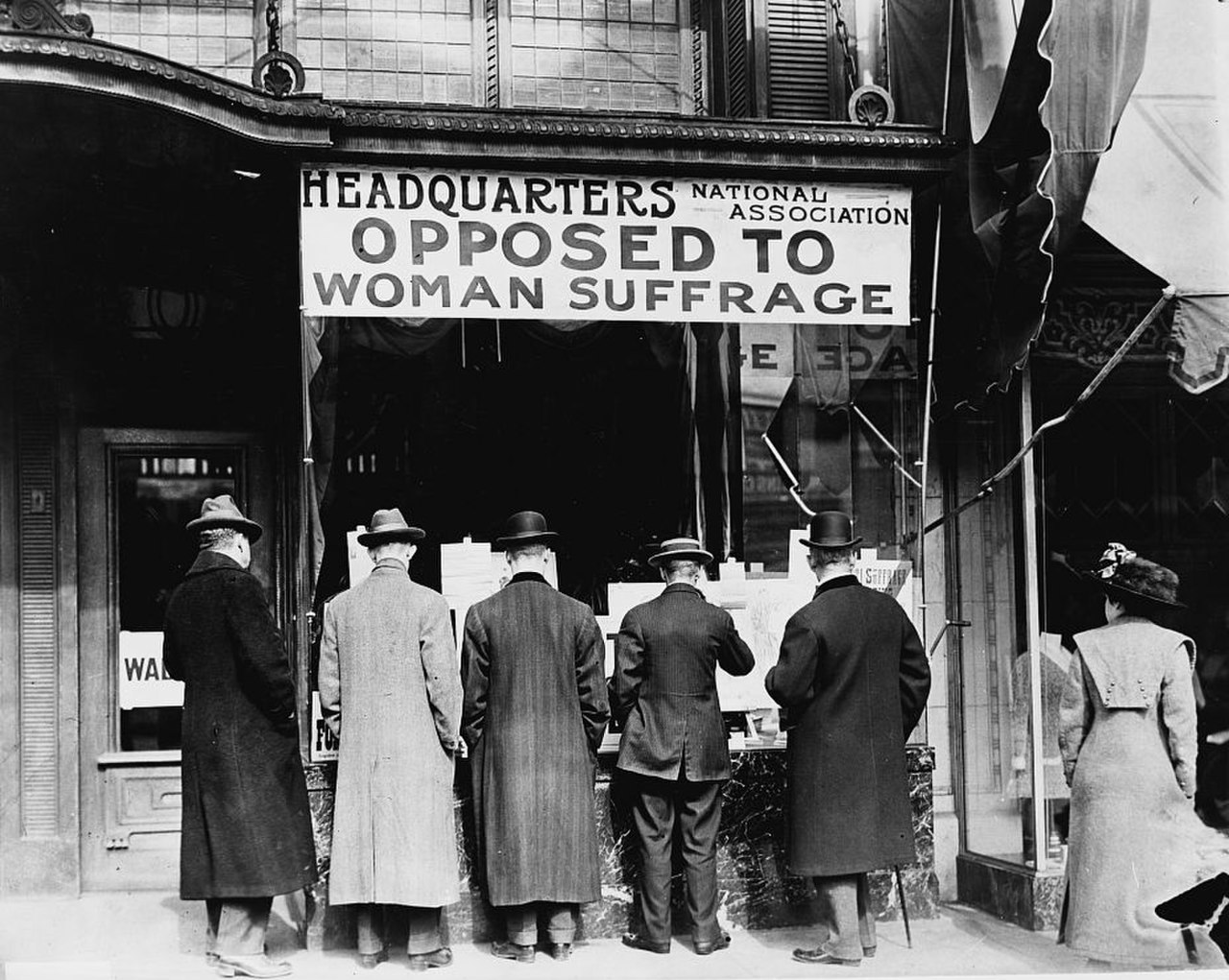

Typical arguments and characteristics
Common themes in antifeminist discourse include assertions about innate sex differences, concern for family structure and child welfare, the preservation of traditional gender roles, and claims that legal equality has been achieved or that new policies produce unfair outcomes. Contemporary strands often emphasize perceived harms to men, critiques of gender studies and objections to intersectional approaches. Responses range from reasoned critique to mobilized political resistance.
History and development
Forms of antifeminism have shifted across eras and regions. In the late 19th century and the early 20th century, well‑organized opponents campaigned against women's suffrage, arguing that political participation would disrupt family life. In the United States political debates later centered on measures such as the Equal Rights Amendment and its implications for the Constitution and existing gendered protections. Over time antifeminism has adapted to changing legal and cultural contexts.
Contemporary forms and arenas
Today antifeminism appears in conservative and religious arguments, in political movements prioritizing traditional family roles, and in online communities that contest mainstream feminist claims. Some groups present themselves as advocates for men's issues while rejecting feminist frameworks; others work to resist legal or institutional changes inspired by feminist activism. The phenomenon varies by country, political system and social context.
Impact, study and distinctions
Scholars in history, sociology and gender studies examine how antifeminist ideas shape law, media and public opinion. It is important to distinguish between critical debate about feminist theory, which can be part of academic discourse, and organized antifeminist movements that aim to roll back rights or protections. The term covers a spectrum rather than a single ideology.
Key points
- Varied scope: opposition may target policy, practice or theory.
- Historical change: forms of antifeminism shift with social and legal developments.
- Multiple motives: religious, cultural, political and social concerns inform opposition.
- Scholarly attention: studied as part of gender, social and political history.
Tags
Related articles
Author
AlegsaOnline.com Antifeminism: opposition to feminist ideas and movements Leandro Alegsa
URL: https://en.alegsaonline.com/art/4638
Sources
- books.google.com : Encyclopedia of Women and American Politics
- citeseerx.ist.psu.edu : 10.1.1.692.9151
- doi.org : 10.1111/j.1471-6402.2009.01491.x