
Anti‑nuclear movement in the United States
History, tactics, organizations, and impact of opposition to nuclear power and weapons in the United States from the 1960s to the present.
Overview
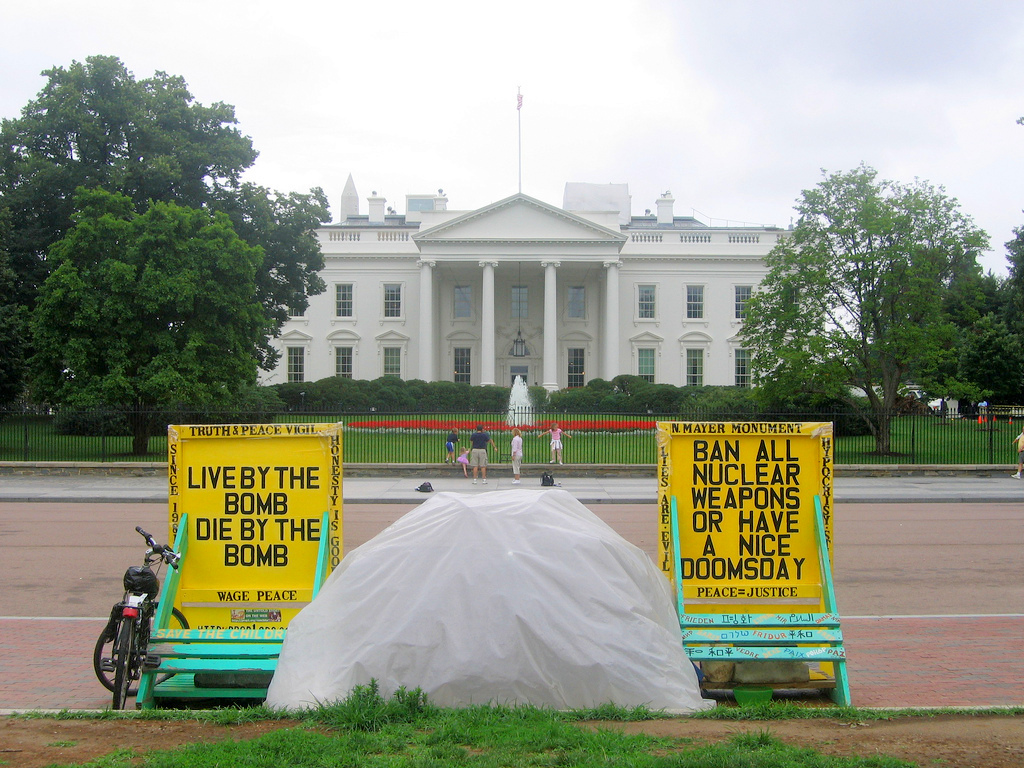
The anti‑nuclear movement in the United States is a broad, decades‑long collection of activists, community campaigns, scientific critics, and nonprofits that have opposed aspects of nuclear power, weapons testing, waste disposal, and related technologies. It emerged from the environmental and peace movements of the 1960s and 1970s and has influenced public debate, regulation, and policy decisions at local, state, and federal levels. Opposition has taken many forms—legal challenges, direct action, public education, and electoral campaigns—and has focused both on commercial reactors that generate electricity and on military facilities, testing sites, and proposed waste repositories.
Image gallery
10 Images


Origins and development
Public concern about nuclear issues advanced in the late 1960s and early 1970s as construction of civilian nuclear plants accelerated and environmental awareness grew. Early controversies combined local anxieties about safety, seismic risk, site suitability and radioactive waste with wider worries about proliferation and long‑term stewardship. High‑profile disputes at specific projects helped crystallize a national movement: campaigns around Calvert Cliffs, Seabrook, Diablo Canyon and Shoreham drew sustained attention. The Three Mile Island accident in 1979 intensified skepticism about reactor safety and is often cited as a turning point that slowed the growth of new plants. Protesters used courtroom appeals, state regulatory hearings, ballot initiatives, and nonviolent civil disobedience to press their concerns.
Methods, campaigns and notable sites
Activists combined grassroots organizing with scientific critique and media outreach. Tactics included large public demonstrations, mass arrests, persistent sit‑ins at construction sites, petitions and litigation challenging licensing decisions, and cooperative campaigns with labor and local stakeholders. Notable campaigns targeted reactors and facilities such as:
- Calvert Cliffs and other early commercial plants (targeted campaigns).
- Seabrook Station, whose protests produced major civil‑disobedience actions in the 1970s and 1980s.
- Diablo Canyon, where seismic concerns and environmental reviews were central.
- Shoreham, a completed Long Island plant that never began full operation because of local opposition and evacuation planning concerns.
- Three Mile Island, the 1979 partial reactor meltdown that reshaped safety debates (Three Mile Island).
Beyond reactors, campaigns addressed nuclear weapons and related sites: protests and peace camps at the Nevada Test Site drew visitors and religious groups, and long campaigns opposed proposed repositories such as Yucca Mountain and sought accountability at complex sites like Hanford, Los Alamos and the Lawrence Livermore and Idaho laboratories.
Peak activity and the shift to disarmament
The movement reached a visible peak in the 1970s and early 1980s. Many activists subsequently broadened their focus from power plants to arms control and disarmament. This shift fed into the nuclear freeze movement, which sought a bilateral halt to certain classes of nuclear weapons—an axis of pressure that prompted large demonstrations and public campaigns in the early 1980s (nuclear freeze). On June 12, 1982, an estimated one million people gathered in New York City's Central Park in what remains one of the largest political demonstrations in U.S. history (June 12, 1982). Parallel International Day of Nuclear Disarmament events and repeated actions at test sites kept public attention on weapons testing and environmental contamination (Nevada Test Site).
Later decades and contemporary issues
After the 1980s, the U.S. movement became more diffuse but remained active. Legal and regulatory pressure contributed to cancellations and long delays of planned reactors; several older units were closed before the end of their expected lives due to economics, safety concerns, local opposition, or political choices. New focal points have included the proposed Yucca Mountain waste repository, transportation of radioactive material, and the environmental legacies of weapons production and testing. The 2011 Fukushima disaster in Japan renewed debate in the United States about safety, emergency planning and the role of nuclear power in a low‑carbon energy future, prompting additional activism and policy reviews in some states.
Organizations, notable critics and legacy
Dozens of organizations—ranging from local alliances to national nonprofits—have led campaigns, educated the public and pursued litigation. Groups historically active in the U.S. movement include the Abalone Alliance, Clamshell Alliance, Musicians United for Safe Energy, Nevada Desert Experience, Nuclear Information and Resource Service, Nuclear Control Institute, Public Citizen's energy program, and mainstream environmental organizations such as the Sierra Club and Greenpeace USA (Greenpeace USA). More than eighty local and national groups have been counted in various eras.
Scientific and technical critique has been part of the movement. Prominent scientists and analysts who have expressed reservations about nuclear power or nuclear weapons include Barry Commoner (Barry Commoner), Linus Pauling (Linus Pauling), Amory Lovins (Amory Lovins), Joseph Romm (Joseph Romm), Benjamin K. Sovacool (Benjamin K. Sovacool) and others who raised concerns about safety, radioactive waste, economic costs, and proliferation risks. Their technical critiques often informed legal challenges and public testimony.
Impact and distinctions
The anti‑nuclear movement altered the course of nuclear development in the United States: it slowed or stopped numerous projects, shaped regulatory practices, increased public scrutiny of plant siting and emergency planning, and elevated waste management and cleanup as persistent political issues. The movement is not monolithic—tactics, priorities and arguments have differed among community groups, environmentalists, scientists and peace activists. Some critics focus narrowly on reactor safety and waste while others emphasize arms control or social justice concerns. Its legacy continues to influence debates over energy policy, climate mitigation, public health and the governance of high‑risk technologies.
Further reading and resources
- Early anti‑nuclear campaigns and litigation
- Accounts of Three Mile Island
- Environmental advocacy groups and their campaigns
- Nuclear freeze and disarmament movement
- June 12, 1982 demonstration
- Protests at nuclear test sites
- Scientific critics and commentary
- Energy analysts and alternatives
- Policy and communications on nuclear risks
- Scholarship on nuclear energy controversies
- Historical figures in anti‑nuclear advocacy
Questions and answers
Q: What are some of the anti-nuclear campaigns that have been prominent in the United States?
A: Prominent anti-nuclear campaigns in the United States have included the Calvert Cliffs Nuclear Power Plant, Seabrook Station Nuclear Power Plant, Diablo Canyon Power Plant, Shoreham Nuclear Power Plant, and Three Mile Island. More recent campaigns have related to the Indian Point Energy Center, Oyster Creek Nuclear Generating Station, Pilgrim Nuclear Generating Station, Salem Nuclear Power Plant, Vermont Yankee Nuclear Power Plant, Idaho National Laboratory, proposed Yucca Mountain waste repository and other sites.
Q: Who are some of the groups involved in anti-nuclear protests?
A: Groups involved in various protests and demonstrations over the years include Abalone Alliance, Clamshell Alliance, Greenpeace USA Institute for Energy and Environmental Research (IEER), Musicians United for Safe Energy (MUSE), Nevada Desert Experience (NDE), Nuclear Control Institute (NCI), Nuclear Information and Resource Service (NIRS), Public Citizen Energy Program (PCEP), Shad Alliance and Sierra Club.
Q: When did anti-nuclear protests reach a peak?
A: Anti-nuclear protests reached a peak in the 1970s and 1980s as part of an environmental movement.
Q: What was one of the largest political demonstrations held in American history?
A: On June 12th 1982 one million people demonstrated in New York City's Central Park against nuclear weapons and for an end to the cold war arms race - making it one of the largest political demonstrations ever held in American history.
Q: What is International Day of Nuclear Disarmament?
A: International Day of Nuclear Disarmament is an annual event where protesters gather at various sites across America to demonstrate against nuclear weapons. The first event was held on June 20th 1983 with 50 sites participating across America.
Q: Who are some scientists who have expressed reservations about nuclear power or opposed nuclear weapons?
A: Scientists who have expressed reservations about nuclear power or opposed nuclear weapons include Barry Commoner, S. David Freeman John Gofman Arnold Gundersen Mark Z Jacobson Amory Lovins Arjun Makhijani Gregory Minor M V Ramana Joseph Romm Benjamin K Sovacool Paul M Doty Hermann Joseph Muller Linus Pauling Eugene Rabinowitch Frank N von Hippel
Related articles
Author
AlegsaOnline.com Anti‑nuclear movement in the United States Leandro Alegsa
URL: https://en.alegsaonline.com/art/4615
Sources
- www-formal.stanford.edu : Nuclear Politics
- books.google.com : Social Protest and Policy Change: Ecology, Antinuclear, and Peace Movements
- newsday.com : Lights Out at Shoreham: Anti-nuclear activism spurs the closing of a new $6 billion plant
- examiner.gmnews.com : Oyster Creek's time is up, residents tell board
- pilgrimwatch.org : Pilgrim Watch
- unplugsalem.org : UNPLUG Salem
- newenglandcoalition.org : Vermont Yankee License Renewal
- timesargus.com : Eleven arrested in latest protest over Vermont Yankee
- yellowstonenuclearfree.com : Keep Yellowstone Nuclear Free
- commondreams.org : Four Score Organizations Express Opposition to Yucca Mountain Nuclear Waste Dump
- sierraclub.org : Deadly Nuclear Waste Transport
- heartofamericanorthwest.org : Hanford History
- query.nytimes.com : 22 Arrested in Nuclear Protest
- mindfully.org : Hundreds Protest at Livermore Lab
- mercurynews.com : More than 80 people arrested at annual protest at Livermore lab