
Hurricane Hortense (1996): track, impacts, and legacy
A summary of Hurricane Hortense, a September 1996 storm that struck parts of the Caribbean and Atlantic Canada, its impacts, aftermath, and the retirement of the name.
Hurricane Hortense was an Atlantic tropical cyclone that affected parts of the Caribbean and eastern Canada in September 1996. The storm crossed Hispaniola, producing destructive weather in Haiti and the Dominican Republic, passed near or over Puerto Rico, and later brought hurricane conditions to southeastern Nova Scotia. Hortense caused extensive flooding and damage, resulted in nearly 40 fatalities, and produced economic losses estimated at about $139 million in the affected territories. The storm is commonly discussed in summaries of the 1996 Atlantic hurricane season.
Image gallery
9 Images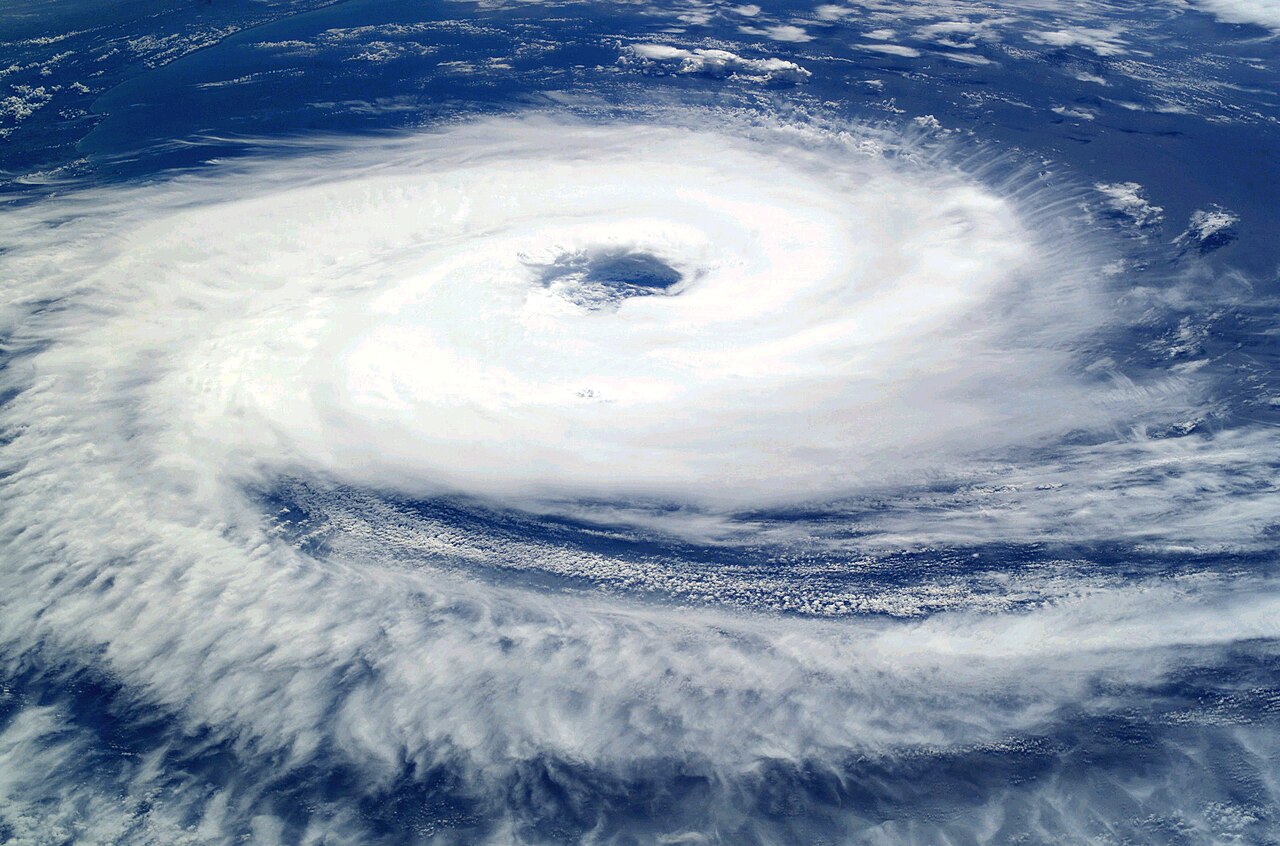




Meteorological overview
Hortense formed as a tropical disturbance in the Atlantic and organized into a tropical cyclone during early September 1996. It intensified and moved westward through the northeastern Caribbean before recurving toward the northwest and then north. The system produced heavy rainfall across mountainous islands and reached hurricane intensity as it moved away from the Tropics. By the time it reached parts of eastern Canada, Hortense was classified as a Category 1 hurricane when it affected coastal areas of Nova Scotia.
Impacts
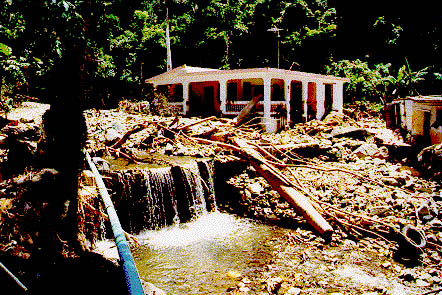
The primary hazards associated with Hortense were intense rainfall, freshwater flooding, storm surge along coastal areas, and strong winds. Damage patterns varied by location and terrain:
- Hispaniola (Haiti and the Dominican Republic): Mountainous terrain increased the risk of flash floods and landslides; communities experienced infrastructure damage, crop losses, and localized destruction of homes.
- Puerto Rico: Heavy rains and gusty winds led to flooding, power outages, and property damage, particularly in low-lying and poorly drained urban areas.
- Atlantic Canada: Southeastern Nova Scotia felt hurricane-force gusts and coastal flooding as Hortense made its presence felt at higher latitudes.
Aftermath and response
In the storm's aftermath, emergency services and relief organizations focused on search and rescue, restoring utilities, and providing shelter and food to displaced families. Damage assessments guided short-term rebuilding and highlighted the need for improved flood control and landslide mitigation in vulnerable, steep terrain. Economic impacts included losses to agriculture, housing, and local infrastructure.
Retirement and significance
Because of the storm's loss of life and economic cost, the name Hortense was retired from the rotating Atlantic name lists and will not be used for future storms. Hortense is remembered as an example of a storm that affected both tropical islands and more northerly coastal regions, illustrating how hurricanes can produce severe impacts through rainfall and flooding as well as wind, and how vulnerability depends on local geography and preparedness.
For regional summaries and historical comparisons, see storm archives and season reports that compile data on Hortense and other 1996 season hurricanes. Additional technical details and contemporaneous advisories are available in official meteorological reports and post-storm assessments.
Related articles
Author
AlegsaOnline.com Hurricane Hortense (1996): track, impacts, and legacy Leandro Alegsa
URL: https://en.alegsaonline.com/art/45904