
Hurricane Isidore (2002): overview, path, impacts, and retirement
Hurricane Isidore was the strongest storm of the 2002 Atlantic season. It affected the Caribbean, Mexico's Yucatán Peninsula and parts of the U.S., caused fatalities and major damage, and the name was later retired.
Overview
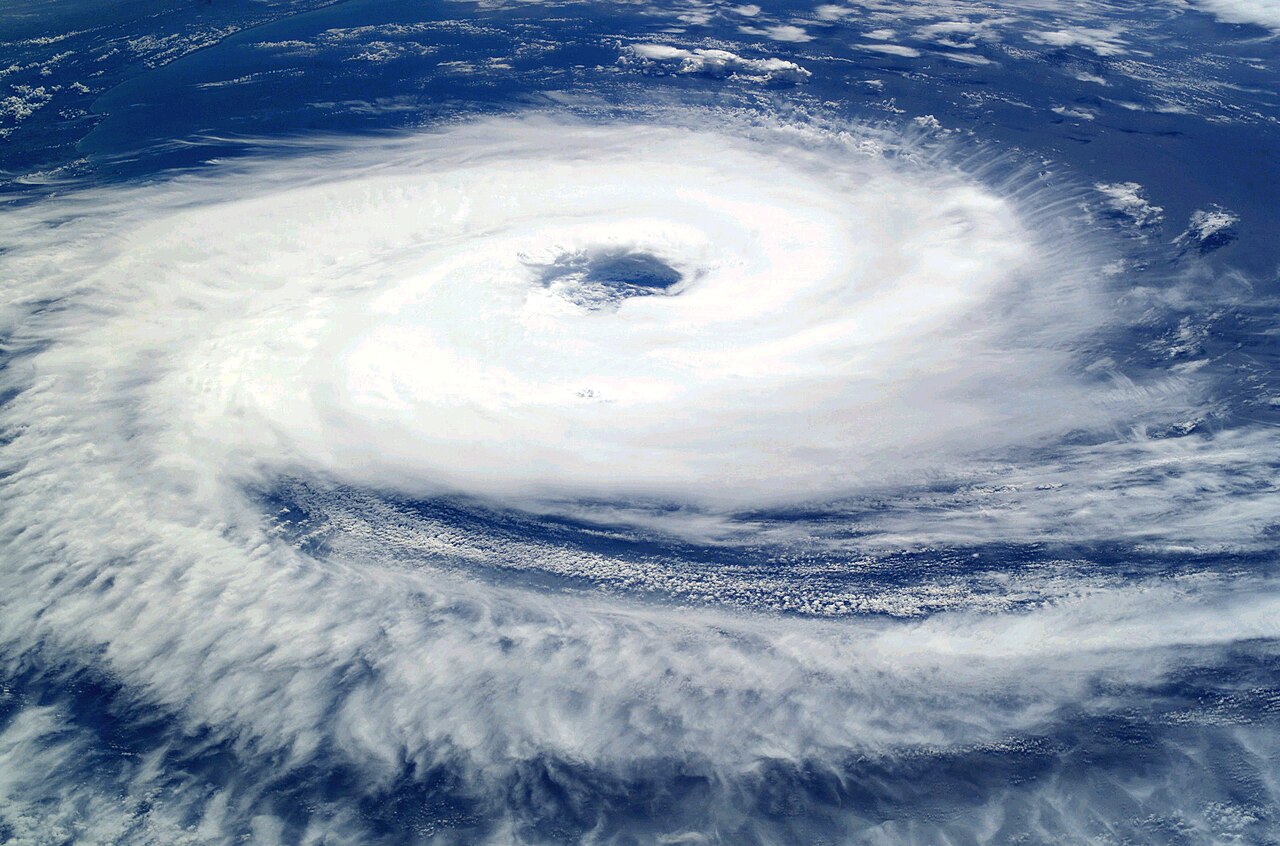
Hurricane Isidore was the most intense tropical cyclone of the 2002 Atlantic hurricane season. It tracked across parts of the eastern Caribbean and western Gulf region, passing near or over several island and mainland areas before striking the Yucatán Peninsula and later weakening as it approached the United States. The storm is remembered for its slow movement over land in Mexico, its widespread rainfall, and the economic and human toll that followed.
Image gallery
9 Images




Meteorological history and characteristics
Isidore developed during the 2002 season and grew into a powerful hurricane, at times prompting forecasts that it could become a very strong landfalling storm. Its structure included a well-defined circulation and periods of strong winds and heavy convection, typical of intense tropical cyclones. Because the system slowed while over the Yucatán Peninsula it lost strength before moving back over the Gulf of Mexico, and by the time it reached the United States it had weakened to tropical-storm strength.
Areas affected
- Windward Islands — early effects as the system organized and moved westward.
- Venezuela — peripheral impacts from outer rainbands and coastal conditions.
- Jamaica — experienced heavy rains and gusty winds as Isidore passed nearby.
- Cuba — saw related weather impacts and precautionary measures.
- Mexico — direct landfall on the Yucatán Peninsula, where slow motion produced prolonged flooding and damage.
- Parts of the United States — coastal and inland areas watched the system, and the state of Louisiana experienced a weakening storm when Isidore arrived there.
Impact and consequences
Isidore was responsible for multiple fatalities and substantial property and infrastructure damage. Official tallies attribute 22 deaths to the storm and estimated the overall economic loss at about $1.3 billion. The most severe local impacts concentrated where the hurricane stalled over the Yucatán Peninsula, producing extended heavy rainfall, flooding, and disruptions to transportation, utilities, and agriculture.
Aftermath and name retirement
Because of the storm's human and financial impacts, the name associated with this hurricane was retired from the Atlantic naming lists to avoid future confusion and out of respect for those affected. The retirement process removed the name from rotation and replaced it with a new name for subsequent seasons. In this case, the retired designation is documented as retired, and the replacement chosen was Ike, which later saw its own prominent use.
Notable facts and legacy
Isidore illustrated how a hurricane's destruction can come not only from peak winds but from slow movement and flooding. Forecasters had at times warned of a possible very strong U.S. landfall, but the storm's weakening over Mexico changed that trajectory and intensity before the system reached North American shores. The storm remains a case study for emergency planning, particularly regarding flood risk, storm surge, and the need for timely evacuations and resilient infrastructure.
For broader context, consult seasonal summaries and regional preparedness resources that track Atlantic storms and their impacts; these can provide comparisons to other hurricanes and guide post-storm recovery and mitigation efforts. Additional detailed records and post-storm analyses are available through meteorological archives and national weather services (2002 season summary).
Further reading and resources: national and regional reports and local government summaries provide more granular information on damage assessments, response efforts, and lessons learned following Hurricane Isidore.
2002 Atlantic hurricane season | Windward Islands | Venezuela | Jamaica | Cuba | Mexico | Yucatán Peninsula | United States | Louisiana | retired name explanation | Ike (replacement name)
Questions and answers
Q: What was Hurricane Isidore?
A: Hurricane Isidore was the strongest hurricane in the 2002 Atlantic hurricane season.
Q: Which areas were affected by Hurricane Isidore?
A: Hurricane Isidore affected the Windward Islands, Venezuela, Jamaica, Cuba, Mexico's Yucatán Peninsula, and parts of the United States.
Q: Was Hurricane Isidore predicted to make landfall in the United States?
A: Yes, some forecasters predicted that Hurricane Isidore could make landfall in the United States as a category 4 hurricane.
Q: What was the actual impact of Hurricane Isidore in the United States?
A: Hurricane Isidore moved slowly over Mexico, so it only struck Louisiana as a tropical storm.
Q: How many people died as a result of Hurricane Isidore?
A: Hurricane Isidore killed 22 people.
Q: How much damage did Hurricane Isidore cause?
A: Hurricane Isidore left $1.3 billion in damage.
Q: What happened to the name "Isidore" after the hurricane?
A: The name "Isidore" was retired, which means it will never be used again for an Atlantic hurricane. It was replaced with the name "Ike", which was used in 2008 and was also retired.
Related articles
Author
AlegsaOnline.com Hurricane Isidore (2002): overview, path, impacts, and retirement Leandro Alegsa
URL: https://en.alegsaonline.com/art/45923