
Hurricane Jeanne (2004)
Powerful Atlantic hurricane of 2004 that produced catastrophic flooding in Haiti, made landfall in Florida near the same area hit by Frances, and caused roughly $7 billion in damage.
Overview
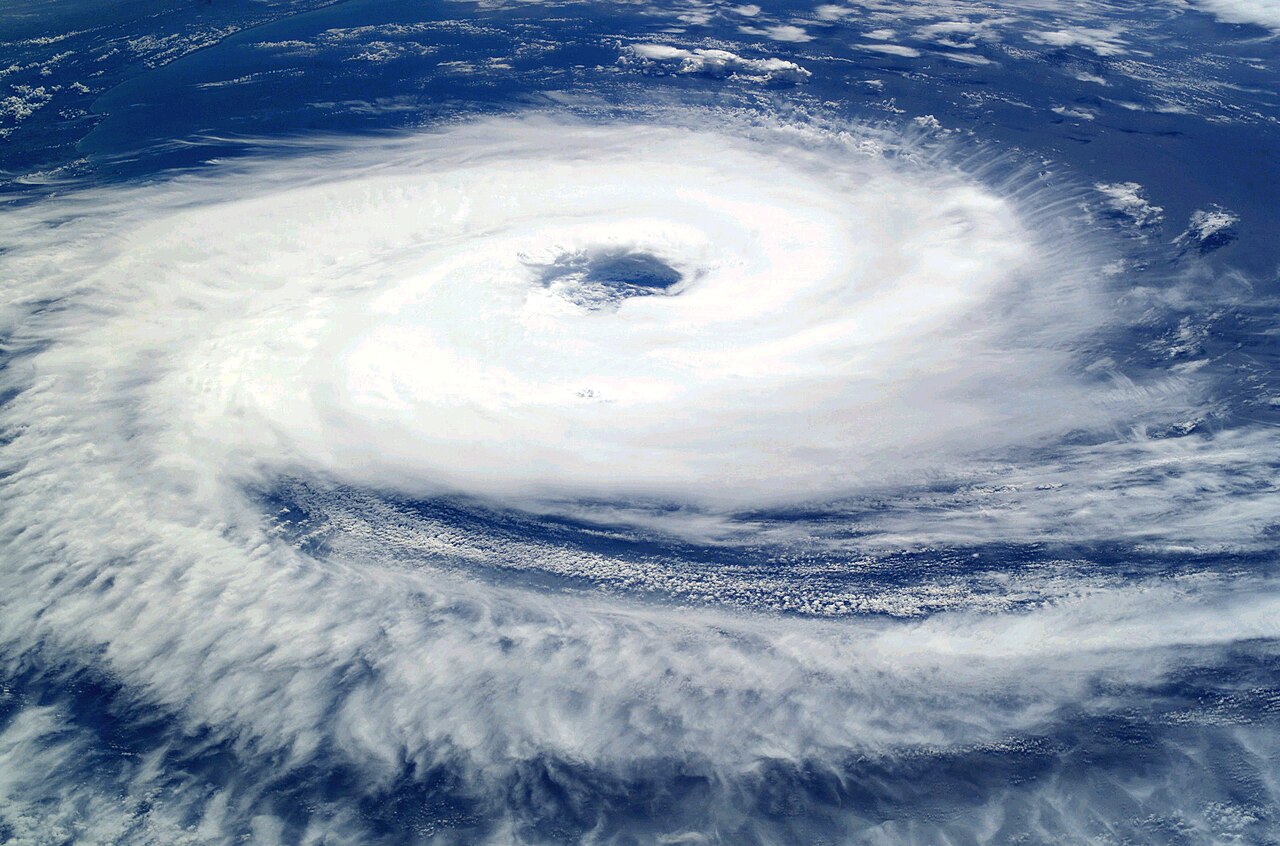
Hurricane Jeanne was a destructive late-season storm of the 2004 Atlantic hurricane season. It was the tenth named storm, seventh hurricane and fifth major hurricane of that year. After developing over the Atlantic, Jeanne followed a track through the eastern and central Caribbean before producing severe rainfall and floods in Hispaniola and later making landfall in the United States during September 2004. The storm is often discussed in the context of the 2004 Atlantic hurricane season, one of the most active on record.
Image gallery
10 Images




Meteorological history
Jeanne formed from a tropical disturbance that organized and strengthened as it moved westward across warm tropical waters. Variable steering currents caused periods of slow motion and looping, which prolonged heavy rains over some islands. When the circulation interacted with the mountainous terrain of Hispaniola the system produced intense rainfall, leading to widespread flash floods and landslides.
Impacts and human toll
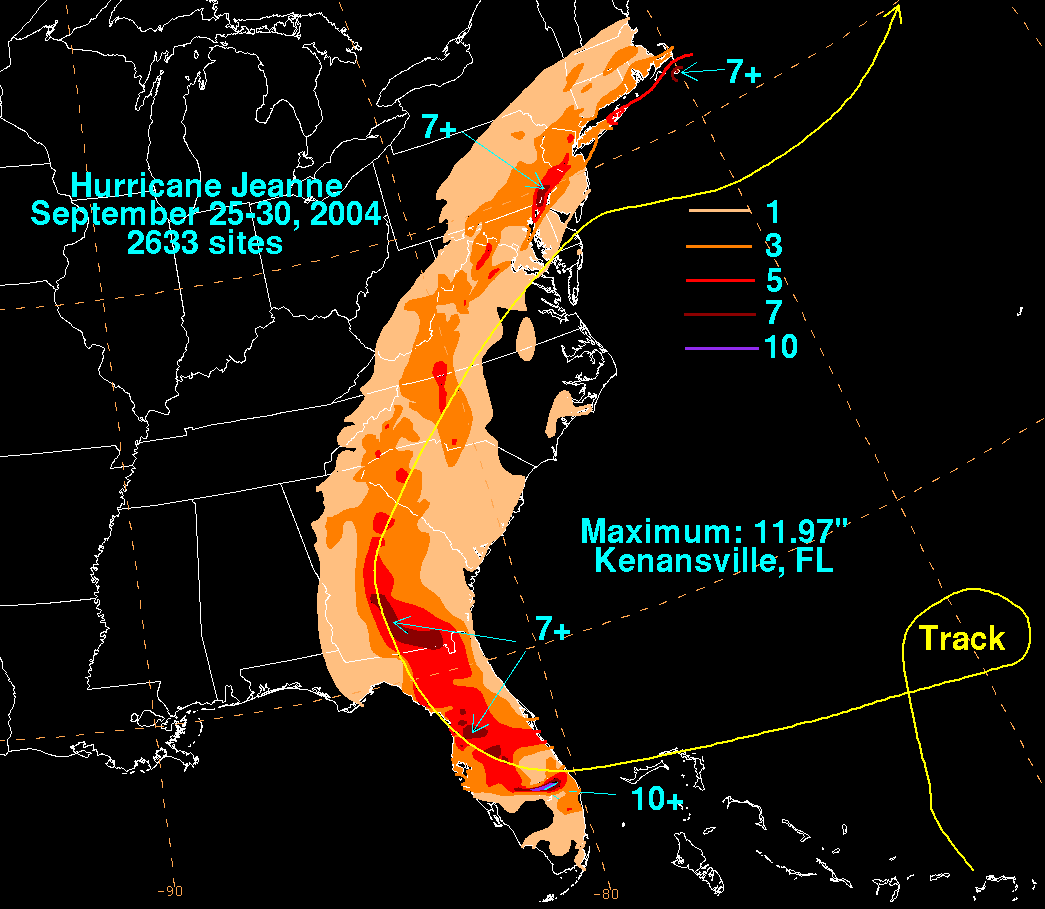
The greatest loss of life occurred in Haiti, where saturated soils and deforested slopes amplified the effects of heavy downpours. Overall, the storm is credited with approximately 3,000 fatalities, the vast majority in Haiti, and left tens of thousands homeless. Flooding and landslides destroyed homes and infrastructure, aggravating existing humanitarian challenges in the region.
United States landfall and damage
After passing through the Bahamas, Jeanne struck the east coast of Florida, making landfall in roughly the same area that had been hit by Hurricane Frances only about two weeks earlier. The close timing of the two storms compounded damage in affected counties: wind, storm surge and heavy rain damaged homes, utilities and agriculture. U.S. damage estimates for Jeanne were on the order of several billion dollars, and the combined impact of the season pushed recovery costs higher.
Aftermath and notable facts
Because of its high death toll and extensive damage the name Jeanne was retired from future Atlantic hurricane name lists. Recovery in the hardest-hit areas required large-scale relief efforts and highlighted vulnerabilities such as poor housing and deforestation. Jeanne remains notable for its deadly humanitarian impact in the Caribbean and for striking Florida shortly after a neighboring storm, illustrating how multiple storms in rapid succession can overwhelm communities and aid systems.
Affected areas
- Hispaniola (Haiti and the Dominican Republic)
- The Bahamas
- Florida and parts of the southeastern United States
- Other eastern Caribbean islands
Questions and answers
Q: What was the tenth named storm of the 2004 Atlantic hurricane season?
A: Hurricane Jeanne.
Q: How many deaths did Hurricane Jeanne cause?
A: Hurricane Jeanne caused 3,035 deaths, with about 3,006 occurring in Haiti alone.
Q: How much damage did Hurricane Jeanne cause?
A: Hurricane Jeanne caused $7 billion in damage and is the 13th costliest hurricane in U.S. History.
Q: Where did Hurricane Jeanne make landfall?
A: In Florida, in the same area as where Hurricane Frances made landfall two weeks before.
Q: How many major hurricanes occurred during the 2004 Atlantic hurricane season?
A: Five major hurricanes occurred during the 2004 Atlantic hurricane season.
Q: What was the seventh hurricane of the 2004 Atlantic hurricane season?
A: The seventh hurricane of the 2004 Atlantic hurricane season was also Hurricane Jeanne.
Q: How long after Hurricane Frances did it take for Hurricane Jeanne to make landfall in Florida? A: Two weeks
Related articles
Author
AlegsaOnline.com Hurricane Jeanne (2004) Leandro Alegsa
URL: https://en.alegsaonline.com/art/45928