
Hurricane Ingrid (2013)
Category 1 Atlantic hurricane in September 2013 that impacted eastern Mexico simultaneously with a Pacific storm; caused multiple deaths and had its name retired and replaced by Imelda.
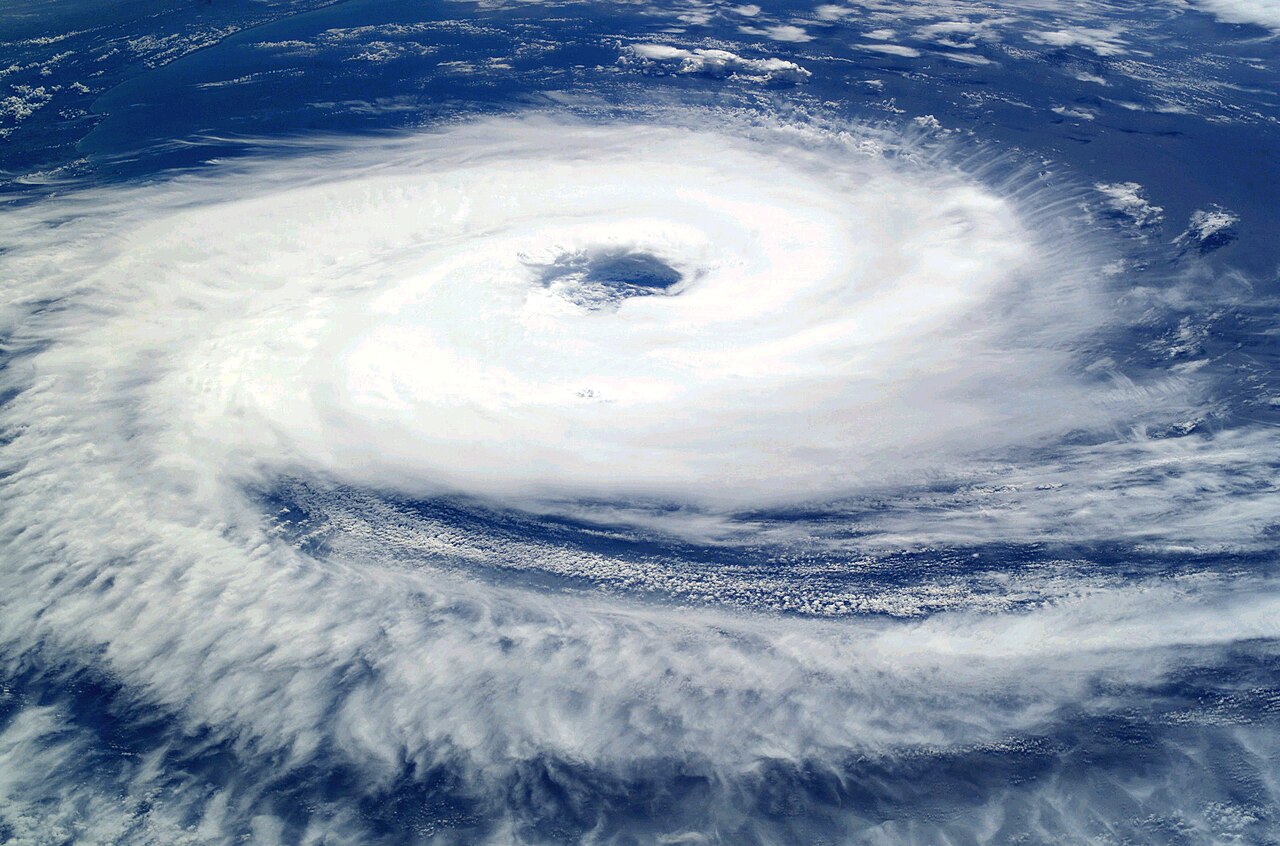
Hurricane Ingrid was an Atlantic tropical cyclone that reached Category 1 strength in mid-September 2013 and affected parts of eastern Mexico. At its peak intensity the system produced sustained winds near 85 mph (137 km/h). Ingrid is notable for striking Mexico at roughly the same time that a Pacific cyclone impacted the western coast, creating a rare situation of concurrent storms affecting both sides of the country. For official advisories and technical summaries see relevant bulletins.
Image gallery
7 Images


Meteorological history and characteristics
The storm developed from a tropical disturbance in the Atlantic basin in mid-September 2013 and gradually organized into a tropical storm and then a hurricane. After reaching peak winds commensurate with Category 1 status, Ingrid weakened somewhat before moving inland. By the time it made landfall on Mexico's eastern shore it had diminished to a strong tropical storm, but heavy rains and gusty winds persisted. The storm's structure, rainfall pattern, and landfall behavior are typical of compact Atlantic hurricanes that form near the Gulf of Mexico and adjacent seas.
Impact and aftermath
Ingrid produced intense rainfall, flash flooding and localized storm surge across coastal and inland areas of eastern Mexico. The system contributed to hazardous conditions including river flooding, landslides in mountainous terrain, and damage to homes and infrastructure. Official accounts attribute 32 fatalities in Mexico to the storm. Emergency services and local authorities conducted search, rescue and recovery operations while also responding to damage caused by the simultaneous Pacific system.
Effects commonly reported after landfall included:
- Flooded streets and homes in low-lying zones.
- Disruption of roads, utilities and communications.
- Evacuations and temporary sheltering of affected residents.
Many communities experienced compounded impacts because of the near-simultaneous arrival of a Pacific tropical cyclone, which increased rainfall across a broad region and complicated relief efforts. For regional information on areas affected, see resources on eastern Mexico.
Retirement and legacy: Because of the storm's human toll and its role in a damaging weather episode, the name Ingrid was retired from the rotating list of Atlantic storm names by the World Meteorological Organization. It was replaced with the name Imelda, which entered the naming lists for 2019. Ingrid remains a referenced case when studying the hazards of seasonal tropical cyclones that strike Mexico from both ocean basins nearly simultaneously, and it highlights the importance of coordinated preparedness for heavy rain, flooding and coastal impacts.
Related articles
Author
AlegsaOnline.com Hurricane Ingrid (2013) Leandro Alegsa
URL: https://en.alegsaonline.com/art/45912