
Hurricane Ioke (2006) — long-lived Central Pacific hurricane and typhoon
Hurricane Ioke was an unusually long-lived and powerful 2006 tropical cyclone that formed in the Central Pacific, reached Category 5 strength multiple times, and struck Wake Island and Johnston Atoll with no reported fatalities.
Hurricane Ioke was an exceptionally long-lived and intense tropical cyclone that formed in the Central Pacific during the 2006 season. It achieved Category 5 intensity on the Saffir–Simpson scale on multiple occasions while traversing the central and western Pacific basins. Forming as the first named storm of the 2006 Pacific hurricane season, Ioke moved westward across the ocean, crossed the International Date Line and was tracked as a typhoon in the western Pacific before eventually weakening and losing tropical characteristics.
Image gallery
10 Images


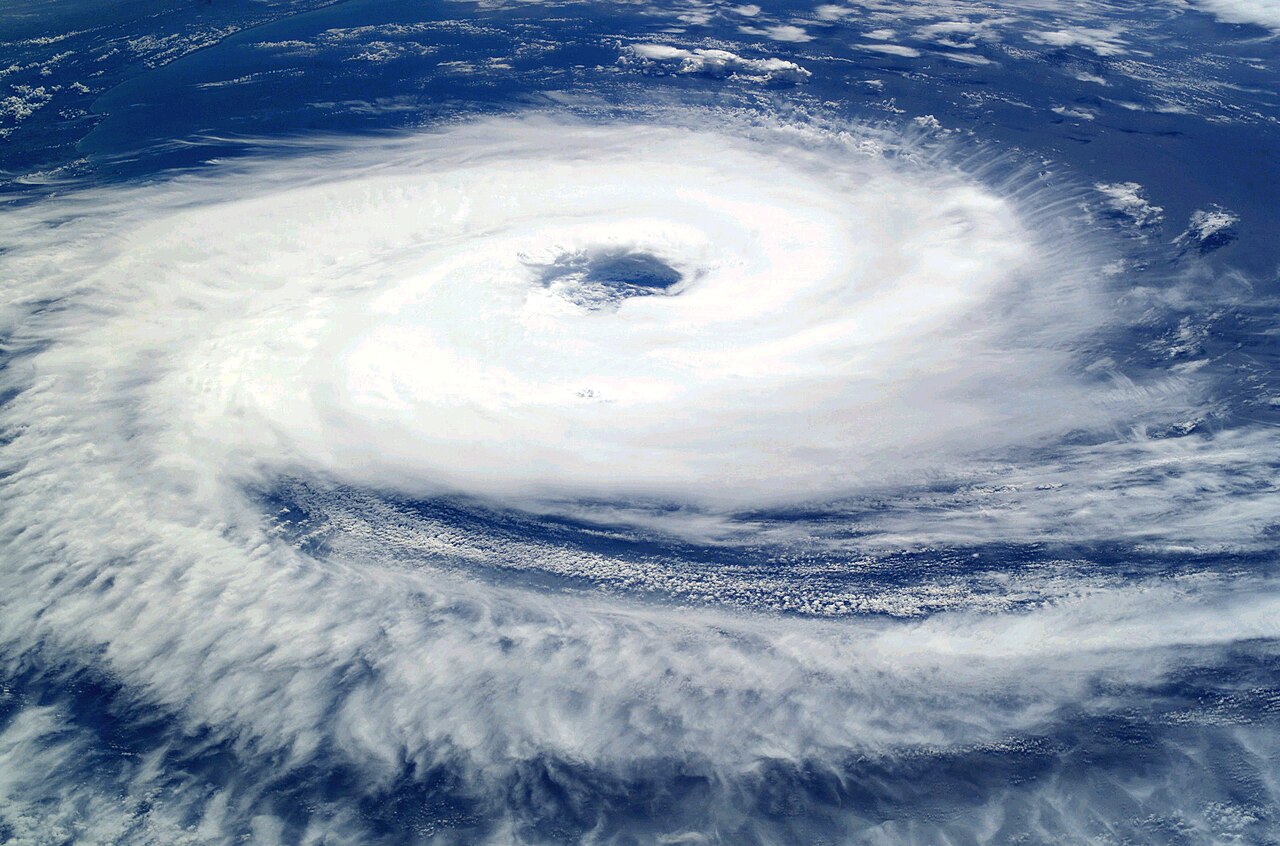
Overview and classification
Ioke began as a tropical disturbance in the open central Pacific and strengthened steadily under favorable conditions. Because it formed and initially intensified in the central Pacific basin, it is commonly referred to as a Central Pacific hurricane. When its track took it across the International Date Line it was reclassified in the western Pacific as a typhoon, a change of basin designation that does not alter the storm’s meteorological character but does change which agencies issue advisories. Ioke reached Category 5-equivalent intensity more than once during its lifetime.
Characteristics and track
Although the storm maintained intense, well-organized convection and a compact eyewall at peak strength, Ioke was notable for its long residence over open water and its ability to re-intensify after periods of weakening. Its westward path carried it far from major landmasses for most of its lifetime, but it did pass over some small, strategically important atolls in the central Pacific. The combination of warm sea-surface temperatures, low vertical wind shear during its intensification phases, and a favorably moist environment allowed it to sustain powerful winds and an organized core for an extended interval compared with typical Pacific hurricanes.
Impacts and response
Despite its extreme intensity, Ioke caused only limited damage to inhabited areas. The storm passed over Johnston Atoll as a hurricane and later struck Wake Island as a typhoon at near-peak strength. Wake Island sustained substantial structural damage to facilities and infrastructure, but because the island had been evacuated and preparations were thorough, there were no reported fatalities. Damage was described as moderate to significant in places with exposed structures; coastal and utility systems required repair after the storm passed. Emergency agencies and the U.S. military carried out pre-storm preparations and post-storm assessments, minimizing the human toll.
Historical significance and notable facts
- Ioke is recognized as one of the strongest hurricanes recorded in the Central Pacific basin and one of the more notable long-lived Pacific tropical cyclones of the 2000s.
- It attained Category 5 intensity multiple times and maintained high intensity across a lengthy ocean track, an uncommon trait that draws interest from meteorologists studying tropical cyclone intensity and longevity.
- The storm demonstrated how even very powerful tropical cyclones can have limited human casualties when affected locations are sparsely populated or well prepared.
Legacy and scientific interest
Hurricane Ioke remains of interest to scientists and emergency planners because it combined exceptional intensity with a long lifespan and a broad traverse of the Pacific. Studies of Ioke have contributed to understanding how environmental factors such as sea-surface temperature, wind shear, and outflow patterns can support repeated intensification. Its impacts also reinforced lessons in preparedness and evacuation for small island communities and remote military installations. For further background on basin definitions and regional tracking, see discussions of the Central Pacific and western Pacific tropical cyclone monitoring practices.
Questions and answers
Q: What is Hurricane Ioke?
A: Hurricane Ioke is the strongest hurricane ever recorded in the Central Pacific.
Q: What is another name for Hurricane Ioke?
A: Hurricane Ioke is also sometimes called Super Typhoon Ioke.
Q: When did Hurricane Ioke form?
A: Hurricane Ioke was the first storm to form in the Central Pacific in the 2006 Pacific hurricane season.
Q: How many times did Hurricane Ioke reach Category 5 status as a hurricane?
A: Hurricane Ioke reached Category 5 status twice as a hurricane.
Q: Where did Hurricane Ioke pass over as a Category 2 hurricane and Category 5 typhoon, respectively?
A: Hurricane Ioke passed over Johnston Atoll as a Category 2 hurricane and Wake Island as a Category 5 typhoon.
Q: Did Hurricane Ioke cause any fatalities?
A: Despite its strength, Hurricane Ioke was not responsible for any fatalities.
Q: How much damage did Hurricane Ioke cause to Wake Island?
A: Despite passing over Wake Island as a Category 5 typhoon, Hurricane Ioke only caused moderate damage to the area.
Related articles
Author
AlegsaOnline.com Hurricane Ioke (2006) — long-lived Central Pacific hurricane and typhoon Leandro Alegsa
URL: https://en.alegsaonline.com/art/45914
Sources
- prh.noaa.gov : "Tropical Storm Ioke Discussion Number 2"
- weather.noaa.gov : weather.noaa.gov
- prh.noaa.gov : "Public Information Statement"
- prh.noaa.gov : "Hurricane Ioke Discussion Number 14...Corrected"
- starbulletin.com : "Hawaiian-named storm hits Johnston Isle"
- starbulletin.com : "12 survive hurricane at Johnston Atoll"
- kgmb9.com : kgmb9.com/kgmb/display.cfm?storyID=9045
- staradvertiser.com : "Article about Monsanto was 'right thing to do'"
- khon2.com : "Breaking Hawaii News, Weather & Traffic - KHON2.com"
- jma.go.jp : jma.go.jp/jma/press/0609/01a/marcus.html
- commons.wikimedia.org : Commons
- commons.wikimedia.org : Hurricane Ioke