
Hurricane Donna (1960): track, impacts, and legacy
Hurricane Donna was a powerful 1960 Cape Verde hurricane that swept from the Lesser Antilles across Puerto Rico, Cuba and the Bahamas, then up the U.S. East Coast — causing widespread damage and many deaths.
Overview
Hurricane Donna was a long-lived and destructive Cape Verde–type storm that occurred in the Atlantic hurricane season of 1960. Forming from a tropical wave that developed near the Cape Verde islands, Donna tracked westward during early September and grew into one of the season's most intense systems. It passed through multiple island groups and moved along the U.S. eastern seaboard, producing extensive wind, surge and rainfall impacts over a broad area. Modern summaries often cite Donna as one of the benchmark storms of the mid-20th century for its size, longevity and the breadth of its damage.
Image gallery
10 Images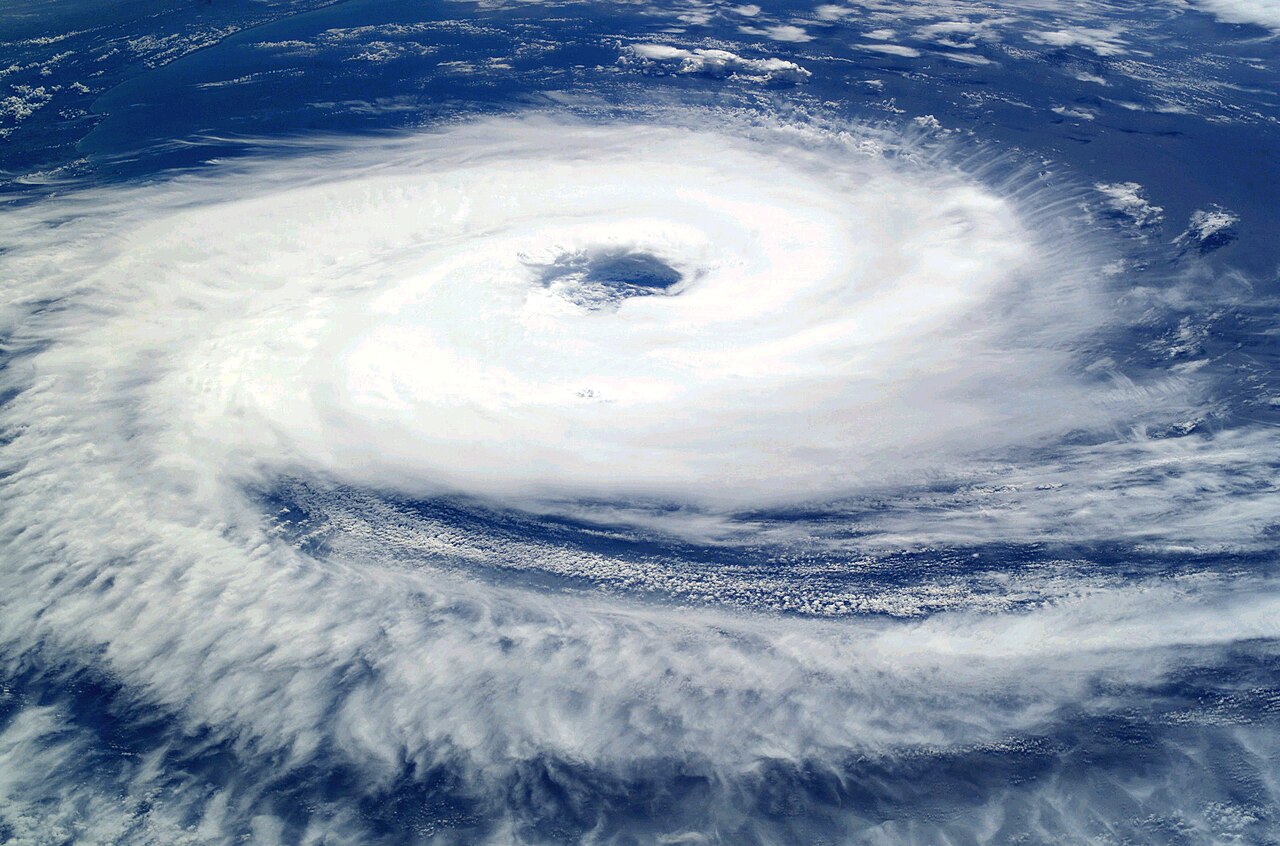


Meteorological characteristics and track
Donna followed a classic trans-Atlantic path for storms that originate near Africa, sometimes called a Cape Verde hurricane. Over the course of its life it affected or passed near numerous populated regions. Major points along its route included:
- The Leeward Islands, where early island impacts were felt.
- Puerto Rico, which received strong winds and heavy rain.
- Hispaniola (Haiti and the Dominican Republic) and Cuba, both of which experienced intense storm conditions.
- The Bahamas, affected by hurricane-force winds and surge.
- Extent along the United States eastern seaboard, with effects reported in every East Coast state from Florida to Maine.
Donna is notable in meteorological records for maintaining "major hurricane" intensity (Category 3 or higher on the Saffir–Simpson scale) for nine consecutive days, from September 2 to September 11, during which its maximum sustained winds were at least 115 mph (185 km/h).
Impacts and damage
The storm produced a combination of destructive hazards: high winds, storm surge along coastlines, and intense rainfall that caused flooding and landslides in some areas. Damage extended from the Lesser Antilles through the Caribbean and into the continental United States, including coastal and inland effects.
- Human toll: At least 364 fatalities have been attributed to Donna across the region.
- Economic loss: Reported damage exceeded $900 million (1960 USD), affecting homes, agriculture, infrastructure and marine interests.
- Physical effects: Widespread coastal erosion, roof and structural damage, flooded roadways, and disrupted utilities were commonly reported.
Aftermath, name retirement and legacy
The severity and widespread loss associated with Donna prompted significant local and regional recovery efforts. Because of the storm's destructive legacy and the high death toll, the name Donna was retired from the Atlantic hurricane naming lists and later replaced by the name Dora in subsequent cycles. The storm also influenced longer-term discussions about preparedness, warning dissemination and coastal construction practices.
Notable distinctions
Donna remains historically significant for several reasons: its long duration as a major hurricane, the large geographic area it affected (including every state along the U.S. East Coast), and the scale of economic and human impacts across multiple countries. These factors have made Donna a frequent reference point in studies of high-impact Atlantic hurricanes and in reviews of mid-century disaster response and meteorological recordkeeping.
Researchers and historians continue to examine Donna to better understand hurricane intensification, long-track storm behavior and the vulnerabilities of coastal communities. For additional context or archival material, consult regional hurricane summaries and historical storm databases that catalog mid-20th century Atlantic hurricanes.
Related articles
Author
AlegsaOnline.com Hurricane Donna (1960): track, impacts, and legacy Leandro Alegsa
URL: https://en.alegsaonline.com/art/45861
Sources
- nhc.noaa.gov : The Deadliest Atlantic Tropical Cyclones, 1492-1996.
- nhc.noaa.gov : "Retired Hurricane Names Since 1954"