
Hurricane Fifi–Orlene (1974)
A deadly 1974 tropical cyclone that devastated Honduras as Hurricane Fifi, crossed into the Pacific as Orlene, caused thousands of deaths and widespread destruction across Central America and Mexico.
Overview
Hurricane Fifi–Orlene was a powerful and unusually destructive tropical cyclone in September 1974. Striking northern Central America as Hurricane Fifi, it produced catastrophic flooding and landslides that resulted in a human toll of more than 8,000 people in Honduras alone. The storm is commonly ranked among the deadliest Atlantic hurricanes on record and is frequently compared with other high-fatality events such as Hurricane Mitch and the large 18th-century storm often called the 1780 hurricane. At the time, it was widely regarded as the worst natural disaster in Honduras to that date.
Image gallery
10 Images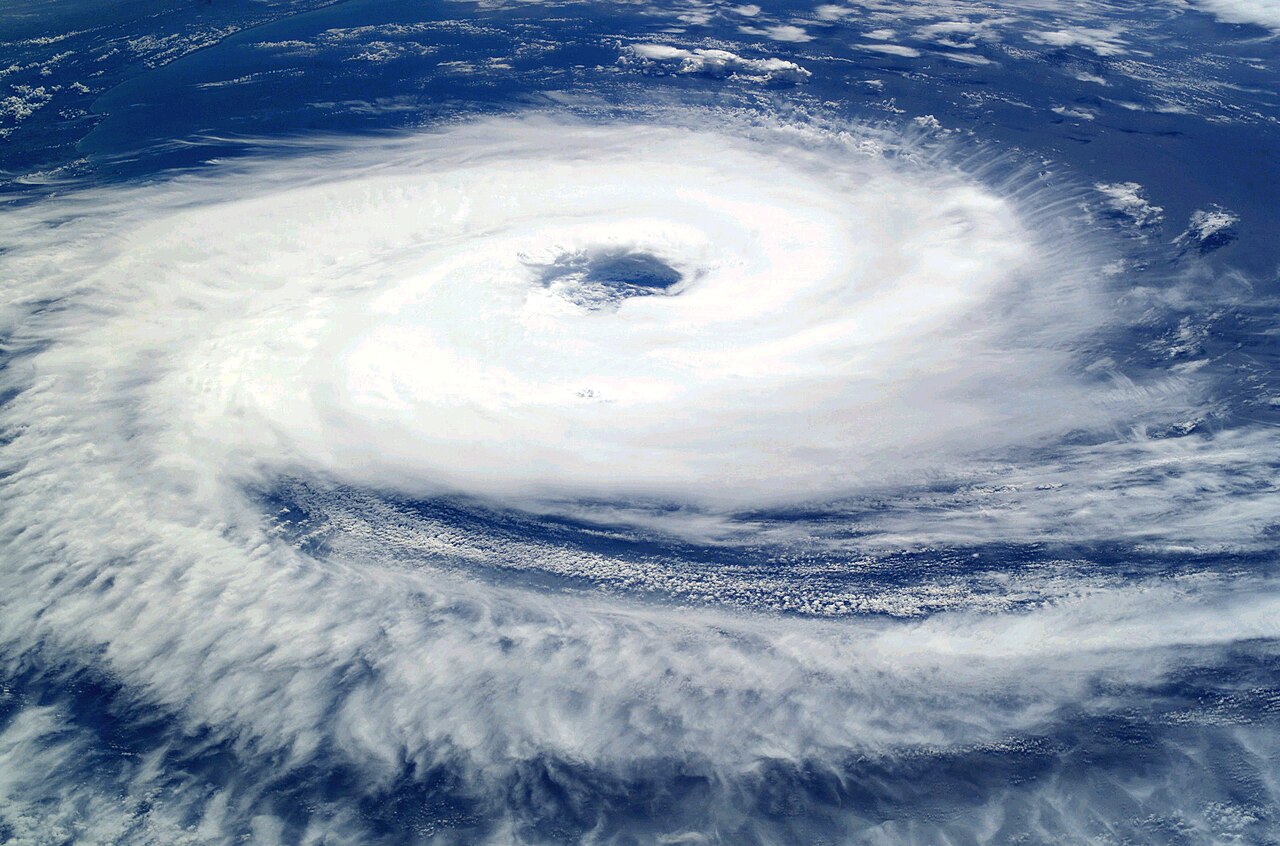




Meteorological history
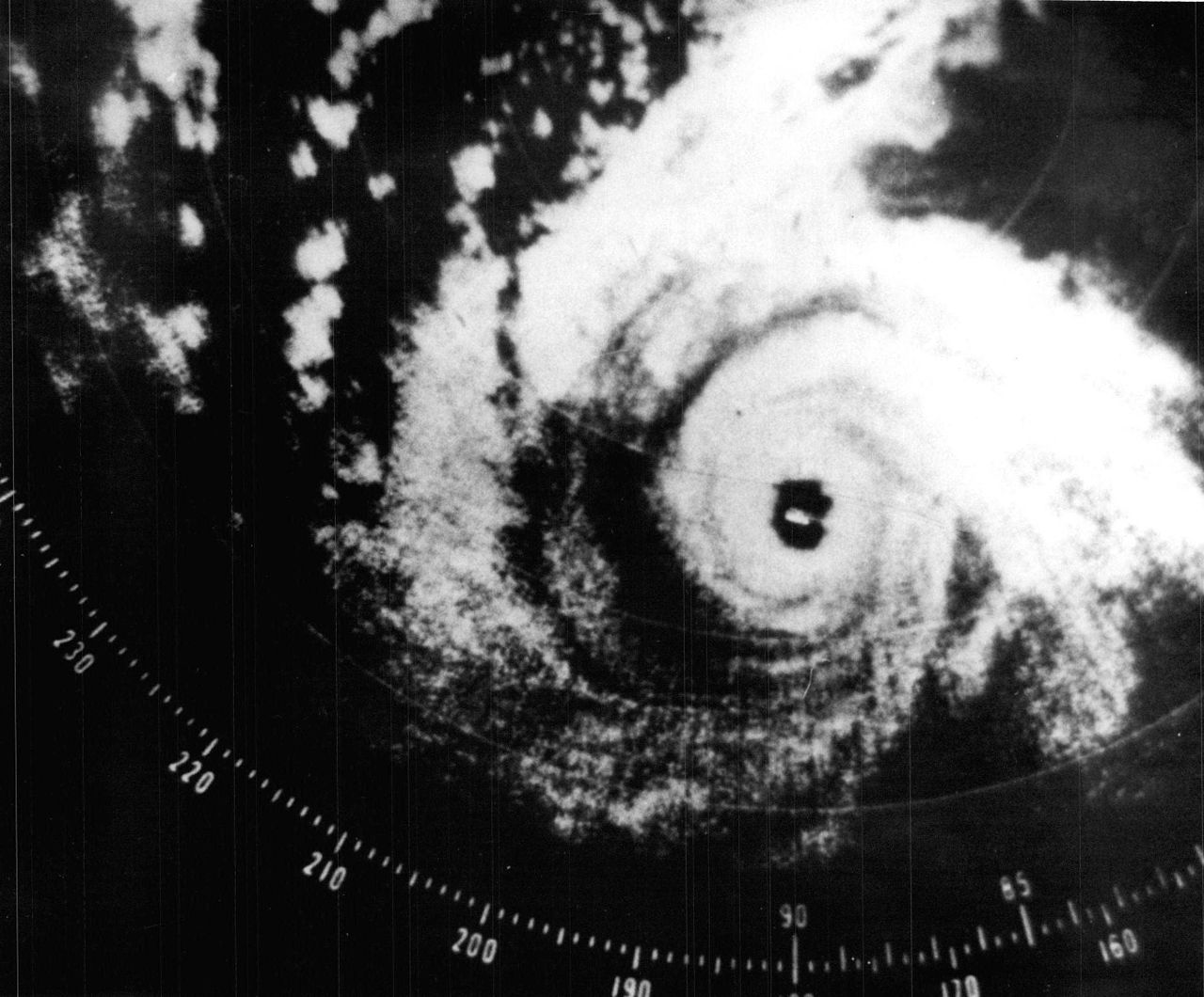
The disturbance that became Fifi developed in the southwestern Caribbean and formed into a named storm near Jamaica. Early in its life it moved westward and strengthened to hurricane intensity before making landfall on the northern coast of Central America. While at sea it had the characteristics of a classic tropical cyclone, including a well-defined circulation and strong convective bands, and it reached Category 2 intensity on the Saffir–Simpson scale at landfall. After the initial landfall it rapidly weakened over the mountainous terrain of Honduras, fallen to tropical storm and then depression strength as it crossed the isthmus. The system emerged over the eastern Pacific, where it regained vigor and was renamed Orlene. As Orlene it again reached hurricane strength and later made landfall on the Pacific slope of Mexico, eventually losing its tropical characteristics over land and dissipating.
Impact and damage
Fifi’s most devastating effects came from extreme rainfall concentrated over steep, deforested terrain, which produced massive floods and deadly landslides. Infrastructure, crops and homes were widely destroyed, leaving large numbers of people homeless and disrupting communications and relief efforts.
- Human losses: more than 8,000 fatalities concentrated in Honduras, with additional deaths and injuries across neighboring countries.
- Physical damage: destruction of roads, bridges and buildings, with widespread agricultural losses that affected food supplies and livelihoods.
- Humanitarian crisis: large-scale displacement, contamination of water sources, and urgent needs for shelter, medical care and food.
The scale of destruction overwhelmed local capacity and required national mobilization and international aid to respond to immediate survival needs.
Aftermath and response
Relief and recovery operations focused on search and rescue, treating the injured, restoring essential services and rebuilding damaged infrastructure. Governments, charitable organizations and foreign donors provided emergency assistance and supplies. In subsequent years the disaster spurred discussion about land use, reforestation and building codes in vulnerable regions to reduce the risk of similar catastrophes.
Legacy and notable facts
Fifi–Orlene is often cited in studies of tropical cyclone risk because it illustrates how heavy rain over mountainous terrain can produce far greater casualties than wind alone. The storm’s crossing from the Atlantic basin into the Pacific and its renaming to Orlene demonstrate the basin-based naming conventions used by meteorological agencies. The event remains a defining moment in Honduran history, shaping disaster preparedness and international humanitarian responses to large-scale tropical cyclone disasters.
For additional background on tropical cyclone behavior and historical context, readers can consult general references on storm classification and notable hurricanes of the Atlantic and eastern Pacific basins. The storm’s formation near Jamaica and its primary human impacts in Honduras are commonly discussed in accounts of the 1974 season, while coverage of its Pacific landfall refers to Mexico and regional meteorological reports.
Related articles
Author
AlegsaOnline.com Hurricane Fifi–Orlene (1974) Leandro Alegsa
URL: https://en.alegsaonline.com/art/45880