
Hurricane Epsilon (2005) — late‑season Atlantic hurricane
Late‑season Category 1 hurricane in the central Atlantic during late November–early December 2005. Notable for forming from a non‑tropical low and persisting unusually late in the season with no significant land impacts.
Overview
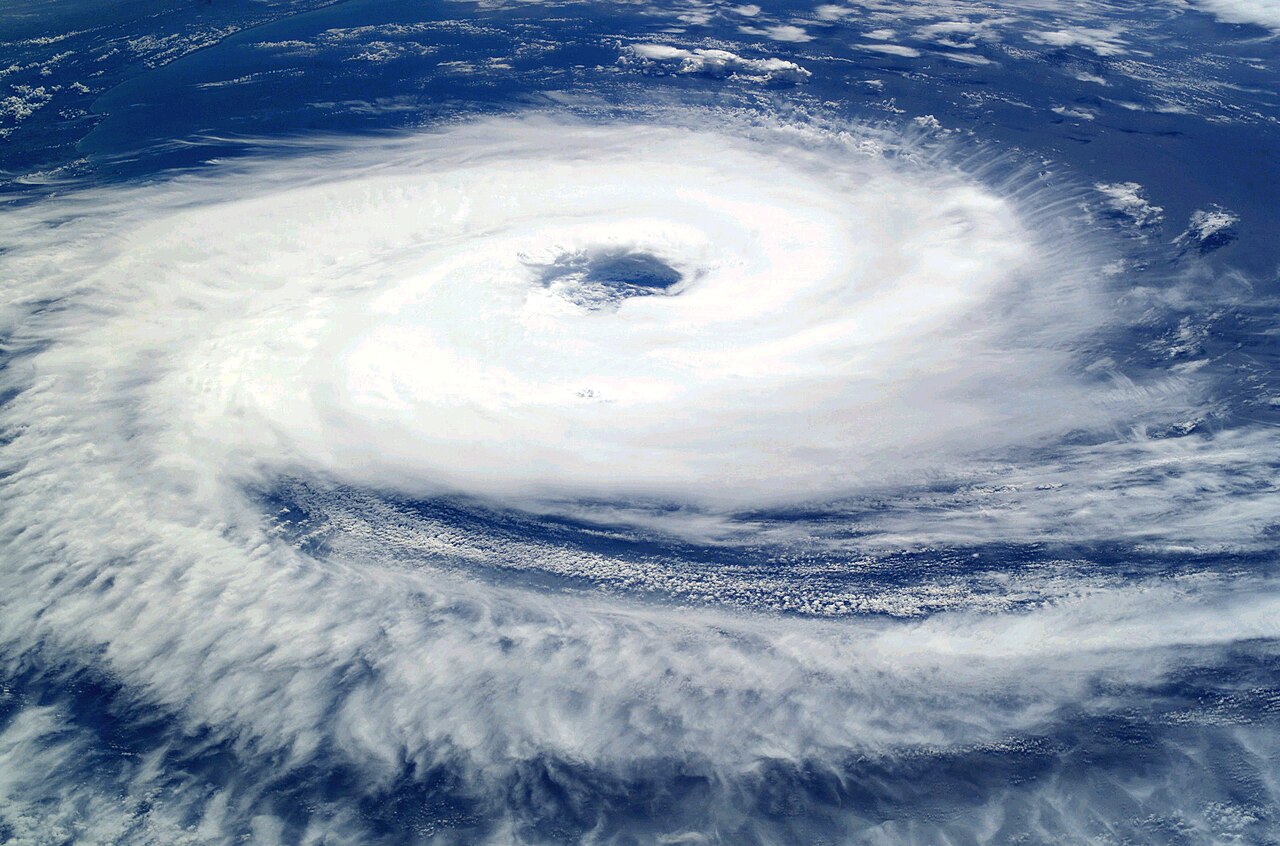
Hurricane Epsilon was a long‑lived Category 1 hurricane that occupied the central Atlantic basin during late November and early December 2005. It formed from a non‑tropical low that gradually acquired tropical characteristics and is remembered for its persistence so late in the calendar year. Epsilon ranks among the later‑season hurricanes on record and was the twenty‑seventh tropical or subtropical system and fifteenth hurricane of the 2005 Atlantic hurricane season. The storm remained well east of populated landmasses, producing no notable direct land impacts.
Image gallery
8 Images


Meteorological history and development
Epsilon developed when a mid‑latitude or subtropical low transitioned into a warm‑core system and was designated a tropical cyclone on November 29. Over the next several days the circulation consolidated, and the system intensified to hurricane strength on December 2 despite environmental conditions that are normally unfavorable for tropical intensification. The hurricane maintained Category 1 status — the intensity range for this category corresponds to sustained winds of roughly 74–95 mph — for several days before weakening and dissipating on December 8. The lifecycle of the storm reflected a blend of tropical and baroclinic influences as it formed in the open ocean well outside the climatological peak of the season.
Characteristics and records
- Formation: evolved from a non‑tropical low and became tropical on November 29 (late November).
- Peak and duration: reached hurricane intensity on December 2 and persisted into early December, making it one of the longer‑lasting hurricanes so late in the year.
- Seasonal context: numbered as the twenty‑seventh tropical/subtropical storm (classification) and fifteenth hurricane of the year.
- Location: tracked across the central Atlantic and remained distant from major land areas.
Forecasting challenges and scientific interest
Forecasters with the National Hurricane Center and other agencies noted that Epsilon was difficult to predict because it intensified in an environment typically hostile to tropical cyclones. Factors such as cooler sea surface temperatures, increased vertical wind shear, and interactions with mid‑latitude features usually hinder development, yet Epsilon sustained tropical characteristics for several days. This behavior made it a subject of interest for atmospheric scientists studying tropical transition processes and late‑season cyclone dynamics. Analyses of Epsilon helped improve understanding of how non‑tropical lows can convert into self‑sustaining tropical hurricanes under marginal conditions (unfavorable environment).
Impacts and legacy
Because Epsilon remained over the open ocean, it caused no significant reported damage or casualties and had limited direct societal impact. Its primary legacy lies in being part of the unusually active 2005 season, which exhausted the standard Atlantic name list and required the use of Greek alphabet names. Epsilon contributes to the record of atypical tropical cyclone behavior that informs seasonal risk assessments and the study of how cyclones can persist outside the usual peak months.
Further information
For detailed advisories, track maps, and post‑storm analyses, consult official and archival resources such as the seasonal summary and advisory packages from primary meteorological organizations. Selected resources: 2005 season summary, advisories and discussions from the National Hurricane Center, and retrospective analyses available through meteorological archives (central Atlantic analyses, late November reports, early December summaries, and tropical cyclone classification notes at tropical or subtropical storm discussions). Additional technical and climatological context can be found in specialist reports on transitions in unfavorable environments.
Questions and answers
Q: What was Hurricane Epsilon?
A: Hurricane Epsilon was a Category 1 hurricane that lasted a long time in the central Atlantic Ocean during late November and early December.
Q: Was Hurricane Epsilon a strong hurricane?
A: Yes, Hurricane Epsilon was one of the strongest and longest living hurricanes recorded so late during the year.
Q: When did Hurricane Epsilon form?
A: Hurricane Epsilon formed from a non-tropical low that steadily became a tropical storm on November 29.
Q: What was the climate like when Hurricane Epsilon became a hurricane?
A: The climate was highly unfavorable for a regular tropical cyclone when Hurricane Epsilon became a hurricane.
Q: What was Hurricane Epsilon's ranking in the 2005 Atlantic hurricane season?
A: Hurricane Epsilon was the twenty-seventh tropical or subtropical storm and fifteenth hurricane of the 2005 Atlantic hurricane season.
Q: How long did Hurricane Epsilon last as a hurricane?
A: Hurricane Epsilon managed to stay as a hurricane for a few more days while confusing and frustrating forecasters at the National Hurricane Center before dissipating on December 8.
Q: Where did Hurricane Epsilon form and dissipate?
A: Hurricane Epsilon formed in the central Atlantic Ocean and dissipated in the same area.
Related articles
Author
AlegsaOnline.com Hurricane Epsilon (2005) — late‑season Atlantic hurricane Leandro Alegsa
URL: https://en.alegsaonline.com/art/45873
Sources
- nhc.noaa.gov : "Tropical Cyclone Report: Hurricane Epsilon"
- nhc.noaa.gov : "Discussion for Tropical Storm Epsilon, 4:00 p.m. EST, December 1 2005"
- nhc.noaa.gov : "Discussion for Hurricane Epsilon, 10:00 a.m. EST, December 4 2005"
- tropicalcyclone2005.com : "Summary for Hurricane Epsilon"
- nhc.noaa.gov : "Discussion for Hurricane Epsilon, 4:00 p.m. EST, December 5 2005"