
Hurricane Emily (2005)
Powerful July 2005 Atlantic hurricane; the only known Category 5 in July. Rapidly intensified, struck parts of the Caribbean and Mexico, caused nearly $1 billion in damage and multiple fatalities.
Overview
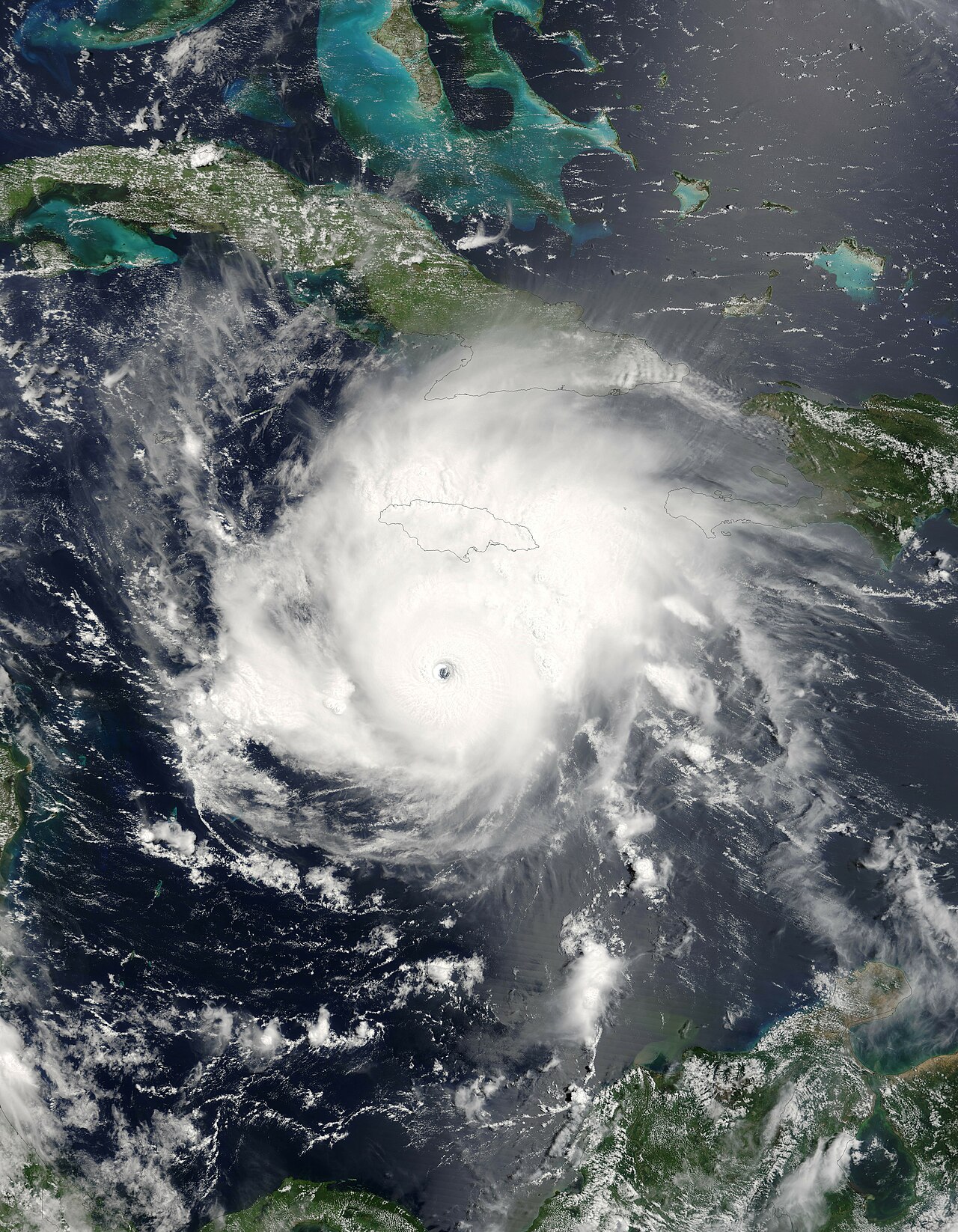
Hurricane Emily was a major Atlantic tropical cyclone during the hyperactive 2005 season. Forming in July, it is notable for being the only recorded Category 5 hurricane in the month of July and for briefly becoming the season's strongest storm, overtaking an intensity record set days earlier by Hurricane Dennis. Emily affected many islands and coastal regions across the Caribbean and Gulf of Mexico and produced substantial damage and loss of life.
Image gallery
10 Images




Meteorological characteristics
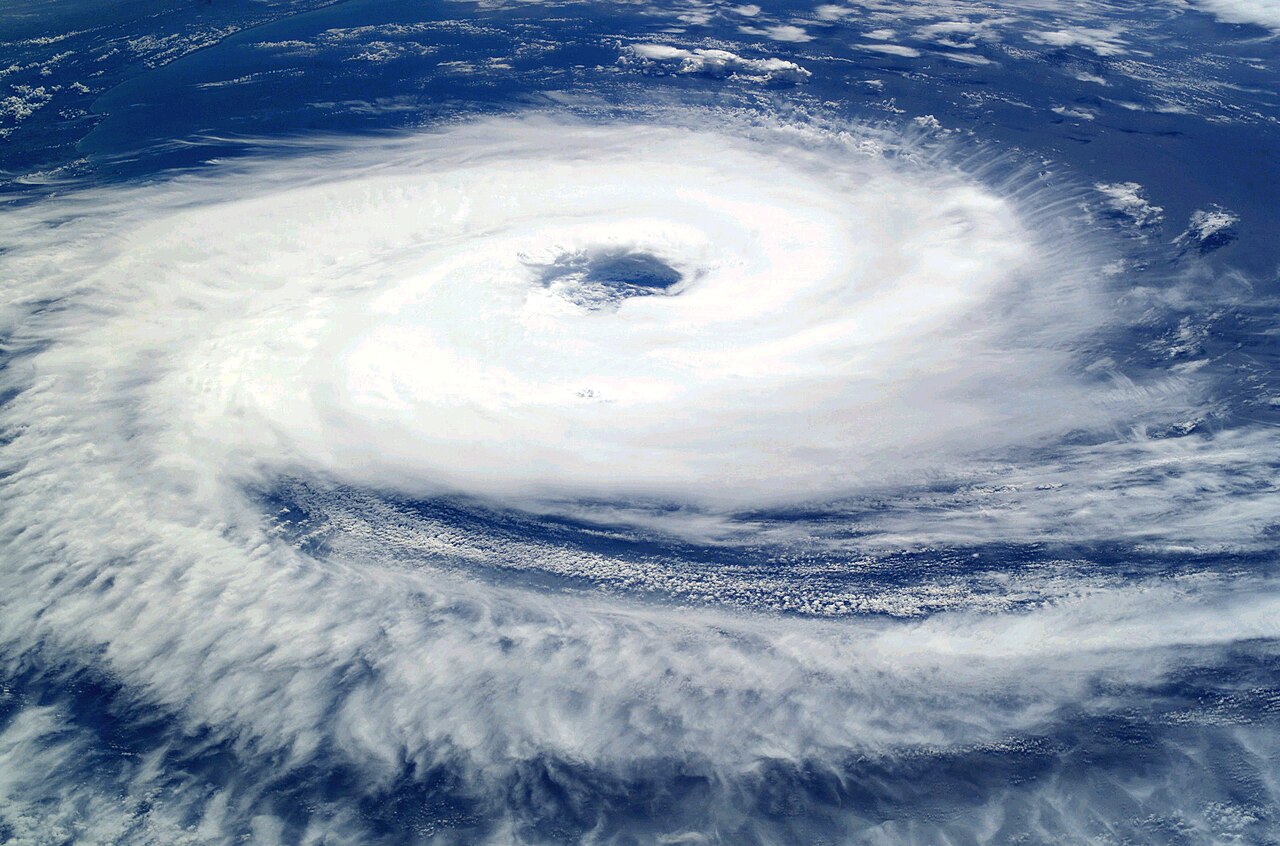
Emily underwent a period of rapid intensification, reaching peak winds that placed it in Category 5 on the Saffir–Simpson scale. Like many intense tropical cyclones, it featured a well-defined eye and very strong eyewall convection at peak. After reaching peak intensity it weakened and fluctuated before making multiple landfalls. Meteorologists tracked its lifecycle closely as part of the 2005 Atlantic hurricane season, one of the most active and record-setting seasons in modern records.
Areas affected
- Windward Islands — early effects as the system passed through the eastern Caribbean.
- Jamaica — heavy rains and coastal impacts in some areas.
- Honduras — rainfall and storm-driven seas affected parts of the Central American coastline.
- Cayman Islands — exposure to strong winds and surge on outer islands.
- Mexico — experienced two separate landfalls, one on the Yucatán Peninsula and another along the Gulf coast, producing the most significant damage.
- Texas and the United States — remnants and associated weather produced rainfall and localized impacts in parts of the southern U.S.
Impact and aftermath
Emily caused widespread disruption across several countries. Estimates placed the economic damage at about $988 million (USD), and the storm is associated with roughly 15 fatalities. The most severe destruction occurred where the system made landfall in Mexico, where wind, surge, and flooding damaged homes, infrastructure and agriculture. Emergency responses involved local and national authorities, and international relief efforts assisted affected communities in the weeks after the storm.
Historical context and significance
Emily stands out in the historical record for its timing and intensity. It was one of four Category 5 hurricanes during the 2005 season, a year that featured several record-breaking storms. The storm's brief status as the strongest hurricane of the season — after Dennis and before later intensifications by other systems — illustrates how active and variable that season was. Despite its strength and impacts, the name "Emily" was not retired from the rotating Atlantic name lists and was reused in 2011; more on this nomenclature decision can be found through discussions of name retirement policy here and the subsequent 2011 usage here.
Notable facts
- Only recorded Category 5 Atlantic hurricane in July.
- Part of one of the busiest and most destructive hurricane seasons on record (2005 season).
- Produced multiple landfalls in Mexico and affected a wide arc of Caribbean nations and territories.
For more detailed storm tracks, advisories and technical analyses consult authoritative meteorological archives and national weather services using the links above and related resources.
Questions and answers
Q: When did Hurricane Emily occur?
A: Hurricane Emily occurred in July of the 2005 Atlantic hurricane season.
Q: What is unique about Hurricane Emily?
A: Hurricane Emily is the only known category 5 hurricane in the month of July.
Q: Did Hurricane Emily break any records?
A: Yes, Hurricane Emily broke the record for the strongest hurricane, just days after Hurricane Dennis had done so.
Q: How many category 5 hurricanes occurred in the 2005 Atlantic hurricane season?
A: Four category 5 hurricanes occurred in the 2005 Atlantic hurricane season, including Hurricane Emily.
Q: Which countries did Hurricane Emily affect?
A: Hurricane Emily affected the countries in the Windward Islands, Jamaica, Honduras, Cayman Islands, Mexico (twice), and Texas a state in the United States.
Q: How much damage did Hurricane Emily cause?
A: Hurricane Emily caused about $988 million in damage.
Q: Was the name Emily retired?
A: No, the name Emily was not retired, so it was used again in 2011.
Related articles
Author
AlegsaOnline.com Hurricane Emily (2005) Leandro Alegsa
URL: https://en.alegsaonline.com/art/45872
Sources
- nhc.noaa.gov : "Tropical Cyclone Report: Hurricane Emily"
- oecd.org : "Catastrophic Risk and Insurance Hurricane and hydrometeorological risks"
- rma.usda.gov : "Manager's Report Exhibit No. 2800"
- www4.ncdc.noaa.gov : "Event Report: Texas"