
Guadeloupe — French islands in the Caribbean
Guadeloupe is an overseas region and department of France in the Caribbean. It consists of five main islands, has a tropical climate, rich biodiversity, a Creole culture, and an economy based on tourism and agriculture.
Overview
Guadeloupe is an overseas region and department of the French Republic located in the eastern Caribbean Sea. Politically part of France and the European Union, it uses the euro and is governed under French law while retaining local institutions. The administrative capital is Basse-Terre; the largest urban and commercial center is Pointe-à-Pitre. The territory is commonly described as an archipelago of five principal islands and several smaller islets.
Image gallery
10 Images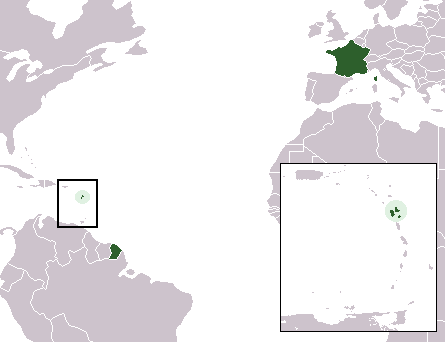




Geography and main islands
The archipelago forms a roughly butterfly-shaped group of islands. The two main islands, Basse-Terre (volcanic, mountainous and forested) and Grande-Terre (flatter, with limestone and sandy beaches), sit side by side. Other principal islands are Marie-Galante, La Désirade and the Îles des Saintes. Guadeloupe features tropical rainforests, coral reefs, mangrove wetlands and an active volcano, La Soufrière, on Basse-Terre.

History and development
The islands were originally inhabited by Indigenous peoples, principally Arawak (also called Taíno) communities, before European contact. Christopher Columbus sighted the islands in 1493 and European colonization intensified in the 17th century when France established settlements. Guadeloupe’s colonial economy was driven by sugarcane plantations and the transatlantic slave trade; slavery was abolished in the French colonies in 1848. Control of the islands changed hands several times during conflicts among European powers before Guadeloupe became fully integrated into the French administrative system as an overseas department in 1946.
People, language and culture
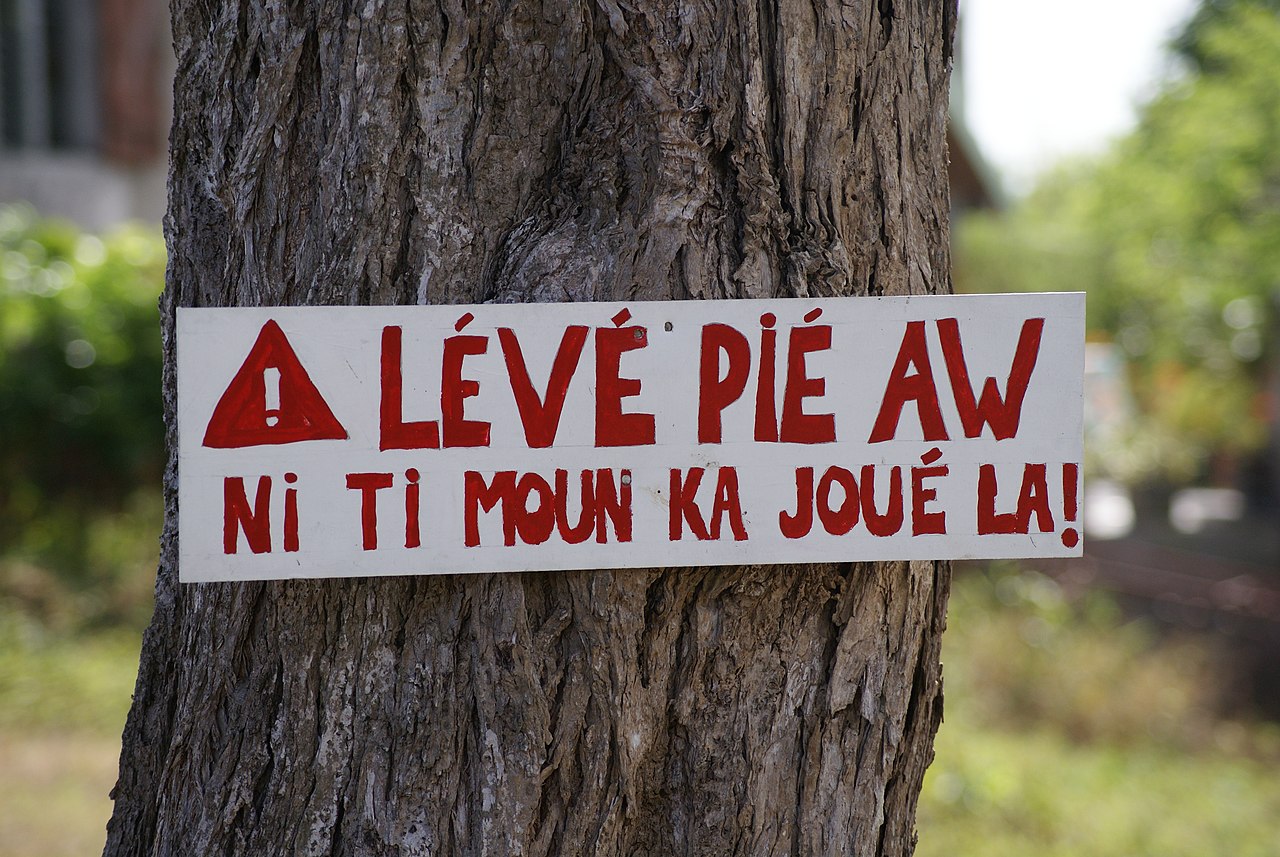
The population is largely of African and mixed African-European descent, with communities of Indian, European and Chinese origin. French is the official language; Antillean Creole (a French-based creole) is widely spoken. Roman Catholicism is the predominant religion, and cultural life blends French and Caribbean traditions. Carnival, Creole music and dance (including gwo ka drumming), Creole cuisine and local festivals remain important expressions of identity.
Economy, administration and uses
Guadeloupe’s economy depends mainly on tourism, agriculture (notably bananas and sugarcane), public services and some light industry. As an overseas department of France, it receives investment and social transfers from the French state and participates in national institutions. Transport links include air connections to metropolitan France and regional islands, as well as maritime traffic for goods and tourists.
Notable facts and challenges
- Protected areas and Guadeloupe National Park conserve rainforest, endemic species and the active volcano La Soufrière.
- The islands are vulnerable to tropical storms and hurricanes and face environmental pressures from development and climate change.
- Guadeloupe combines European governance with Caribbean culture, making it a distinctive outermost region of the EU.
For further reading and official information, see general resources about France, Caribbean geography at region pages, and travel or administrative guides at pages such as island overviews and capital details. Historical and demographic sources include entries on the indigenous Arawak peoples (Arawak), European arrivals and colonial conflicts (European contact), as well as accounts of shifting control among colonial powers (British occupations) and other transfers in the region (regional treaties and changes).

Related articles
Author
AlegsaOnline.com Guadeloupe — French islands in the Caribbean Leandro Alegsa
URL: https://en.alegsaonline.com/art/41141