
Anseriformes: waterfowl, screamers and related birds
Anseriformes are an order of about 150 species of primarily aquatic birds — ducks, geese, swans, screamers and the magpie goose — known for webbed feet, flattened bills and strong ties to wetlands.
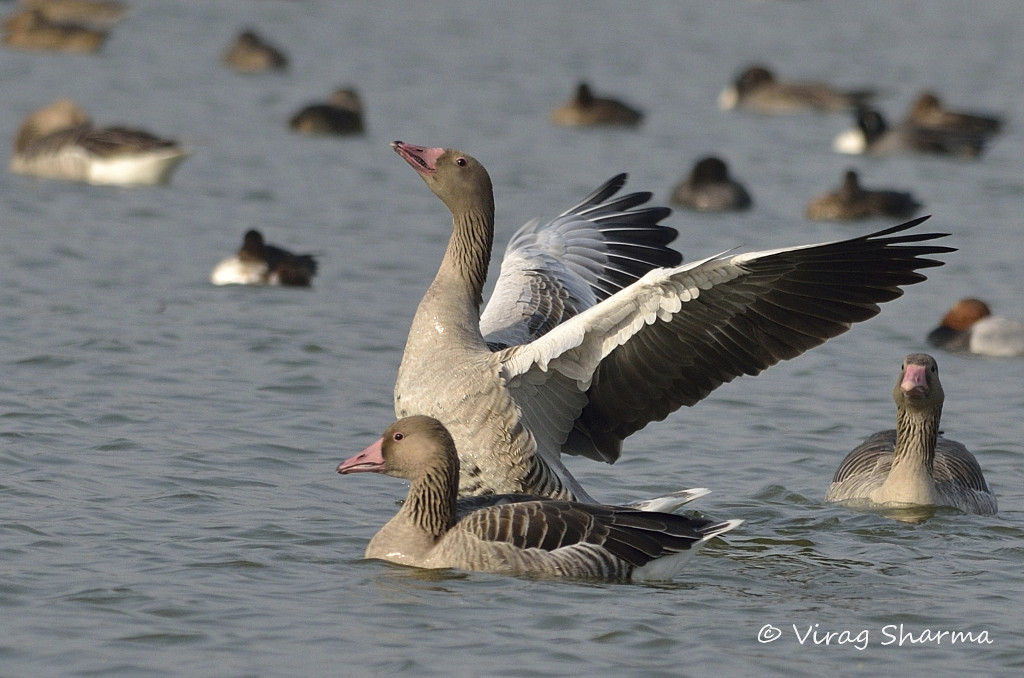
Anseriformes is an order of birds that includes roughly 150 living species. These birds are commonly known as waterfowl and their close relatives. Well-known members are ducks, geese and swans, but the order also contains less familiar groups such as the screamers and the magpie goose. For a concise species overview see species estimates and for a general bird context consult avian summaries. The classical enumeration recognizes four families, with the largest family traditionally called the Anatidae.
Members of Anseriformes share a set of traits that suit an aquatic life. They typically have webbed feet for swimming, dense, oiled plumage that sheds water, and broad, flattened bills which often bear fine comb-like structures (lamellae) used in filtering food. Most species produce precocial young that are relatively mature and mobile at hatching. For compact definitions of these terms and aquatic adaptations see functional adaptations and resources on habitat associations.
Image gallery
10 Images






Families and notable groups
- Anhimidae — the screamers: a small South American family of large, chicken-like birds with spiny wing feathers and loud calls. (family list)
- Anseranatidae — the magpie goose: a distinctive Australian species representing an ancient lineage with unique skeletal traits.
- Anatidae — ducks, geese and swans: the largest family, globally distributed in freshwater and coastal habitats; includes many familiar migratory species and several domesticated forms. (Anatidae overview, ducks, swans)
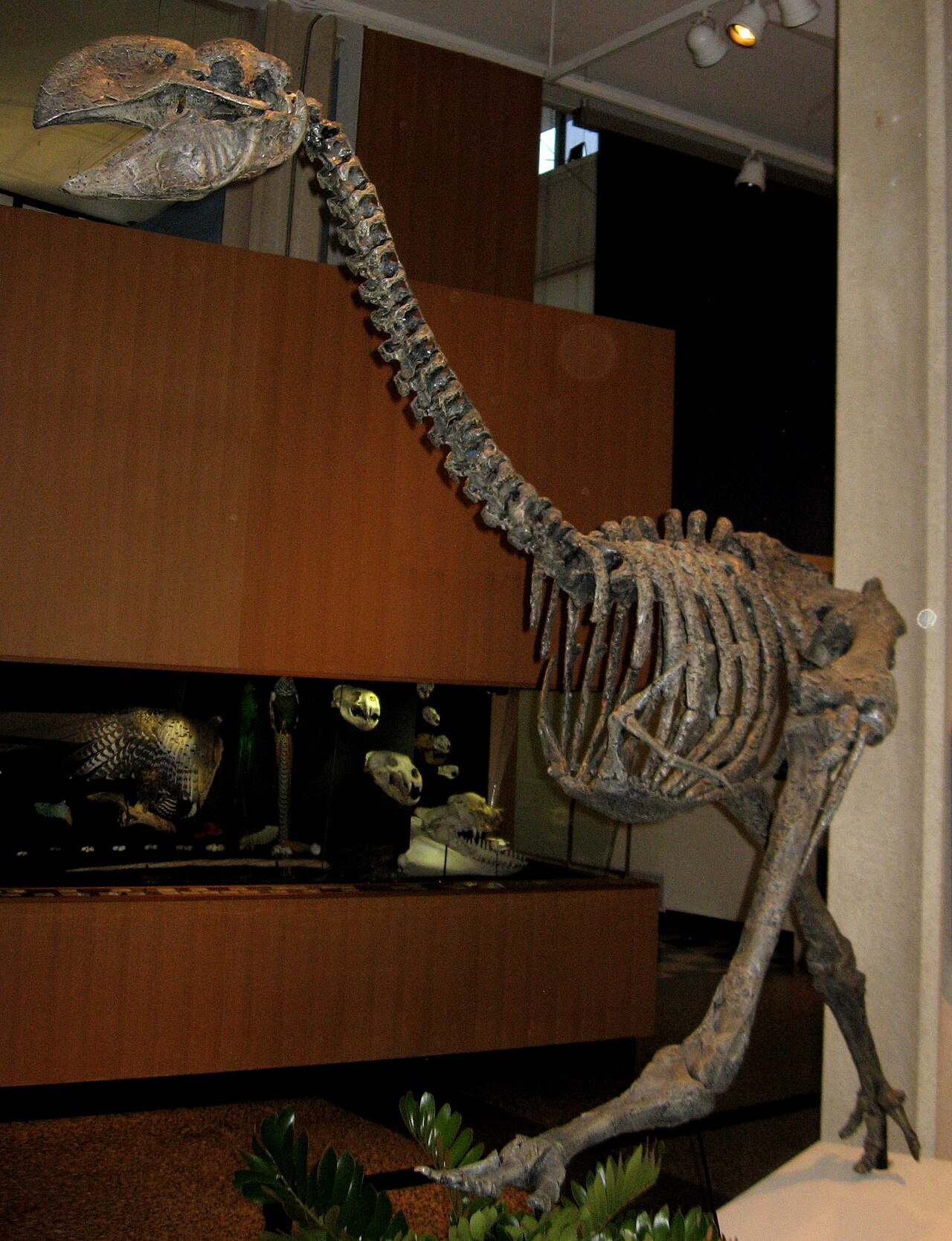
- Vegavidae — an extinct group known from fossils, represented by the genus Vegavis, which has been cited in discussions of avian survival across the end-Cretaceous interval.
Feeding strategies in Anseriformes are diverse: many are grazers or dabblers that feed at the water surface or on land, some are divers that chase food underwater, and others filter small organisms with bill lamellae. Common ecological roles include seed and plant consumption, invertebrate predation, nutrient transport between habitats, and serving as prey for larger predators. For ecological studies and conservation context see ecological roles and applied references at waterfowl resources.
The evolutionary history of Anseriformes places them with landbirds known as Galloanserae, a clade that also contains gamebirds. Fossil finds such as Vegavis indicate that relatives of modern waterfowl were present by the later Cretaceous, suggesting a deep lineage. Modern diversification produced species adapted to temperate migration, tropical residency, island life and, in a few cases, flightlessness. For taxonomic context and evolutionary discussion see order-level treatments and comparative analyses at habitat studies.
Anseriformes are important to people for subsistence, sport and agriculture: several species were domesticated or managed for meat, eggs and feathers. They also have cultural significance in many regions and are indicators of wetland health. Conservation concerns include habitat loss, hunting pressure, introduced predators on islands and disease outbreaks. For management and conservation guidelines see regional summaries and policy briefs at avian conservation and specialist sources (population accounts).
Distinguishing features, broad distribution and varied life histories make Anseriformes a focal group for studies of ecology, behavior and evolution among birds. For further reading and species accounts consult general ornithological references and databases that cover identification, natural history and conservation status. See also targeted literature on morphology and behaviour at swan studies and duck biology.
Tags
Related articles
Author
AlegsaOnline.com Anseriformes: waterfowl, screamers and related birds Leandro Alegsa
URL: https://en.alegsaonline.com/art/4525