
Swimming: aquatic movement, fitness and competitive sport
Overview of swimming as a human activity: main strokes, training and health benefits, competitive formats, safety and learning guidance for recreational and competitive swimmers.
Swimming is the intentional movement of a person through water by propelling with the arms, legs, or whole body. It occurs in many settings — pools, lakes, rivers and the sea — and serves diverse purposes: personal transport, recreation, physical conditioning, rescue, military training and organised sport. For general guidance on learning and safe progressions, see basic swimming guidance. Swimming can be practised alone or with instruction and is accessible across ages and ability levels.
Image gallery
10 Images




Major strokes and basic technique
Standard competitive and recreational strokes define how swimmers coordinate limb and body motion. Each stroke has characteristic body position, arm action, leg kick and breathing pattern. Common strokes include:
- Front crawl (often called freestyle) — a prone position with alternating arm strokes and a flutter kick; usually the fastest stroke and central to many training programs. See practical tips at front crawl resources.
- Breaststroke — simultaneous symmetrical arm pulls and a frog-style kick with a glide phase; effective timing and streamlined body position reduce drag.
- Butterfly — both arms move together over the water with a dolphin-like undulation of the torso and a synchronized two-kick rhythm; it requires core strength and coordinated timing.
- Backstroke — performed on the back with alternating arm action and a flutter kick; swimmers must manage body rotation and awareness of pool landmarks. For instruction, consult backstroke techniques.
- Freestyle (competitive usage) — in races this usually denotes any stroke allowed, but athletes typically use front crawl because of its speed; introductory lessons and drills appear at freestyle instruction.
Training, coaching and technique
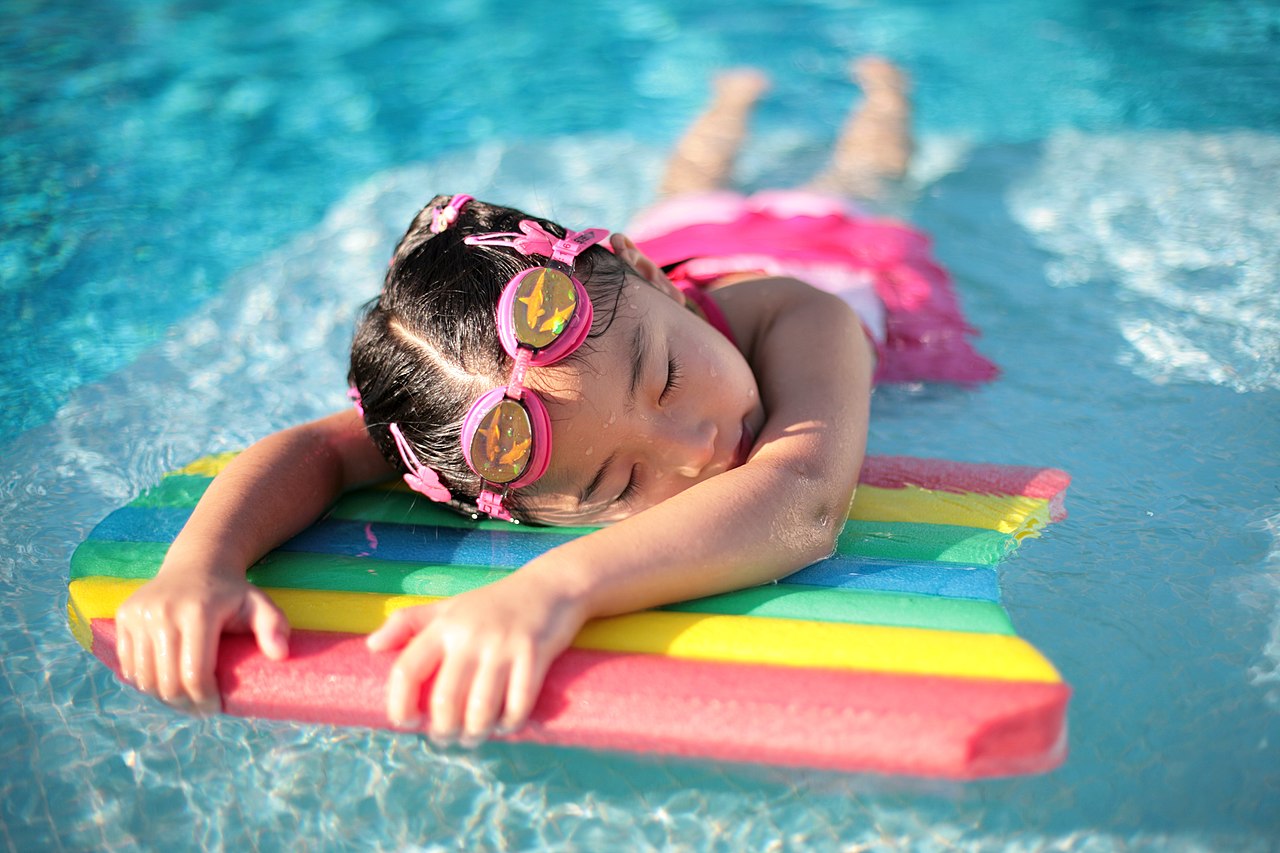
Effective swimming training balances technique work, aerobic conditioning and strength. Coaches use drills to refine hand entry, catch and body rotation, and progressive sessions to build endurance and speed. Equipment such as fins, kickboards, pull buoys and paddles are common for isolating movements. Periodised plans alternate higher-volume phases with targeted speed or race-pace work.
Health benefits and physiology
Swimming is low-impact because water supports body weight, making it suitable for people with joint concerns and for rehabilitation. It engages major muscle groups in the shoulders, back, core and legs while developing cardiovascular fitness and breathing control. Regular swimming improves stamina, flexibility and can complement land-based exercise. Because water cools the body and offers resistance in all directions, swimmers gain muscular endurance with reduced injury risk compared with many high-impact sports.
Competitive formats and events
Competitions take place in pools of standard lengths and in open-water venues. Events are organised by stroke and distance and include individual races, medleys (multiple strokes in sequence) and relays. Open-water racing adds navigation, drafting and environmental factors such as current and temperature. Rules govern starts, turns and finishes to ensure fair competition.
Safety, open water and teaching
Water safety is fundamental. Beginners should learn buoyancy skills, floating, breath control and safe exits from water; instruction with qualified supervision reduces risk. In open water, swimmers should be aware of currents, tides, water temperature and visibility, and use designated swim areas where available. Life jackets are recommended for non-swimmers and when conditions are uncertain. Lifeguard services, swim schools and public education programmes play an important role in drowning prevention and rescue skills.
Accessibility, equipment and etiquette
Adaptive and therapeutic programmes make swimming accessible to people with disabilities. Common equipment includes goggles, swim caps and suits designed to reduce drag; coaches may advise training aids for technique work. In shared pool settings, common-sense etiquette—lane discipline, circle swimming in busy lanes and respecting facility rules—helps create a safe and productive environment for all users.
Swimming combines practical utility, broad health benefits and varied competitive opportunities. Whether pursued for fitness, leisure or performance, sound technique, progressive training and attention to safety are central to a positive and sustainable experience.
Questions and answers
Q: What is swimming?
A: Swimming is the movement of the body through water using arms and legs.
Q: Where can people swim?
A: People can swim in the sea, swimming pools, rivers, and lakes.
Q: Why do people swim?
A: People swim for exercise, for fun, and as a sport.
Q: What are the different styles of swimming?
A: The different styles of swimming are front crawl, breaststroke, freestyle, butterfly, and backstroke.
Q: What are "strokes" in swimming?
A: "Strokes" in swimming refer to the different styles of swimming.
Q: What are the benefits of swimming?
A: Swimming works all the muscles simultaneously, is impact-free, and builds up stamina.
Q: How does swimming impact the body?
A: Swimming is impact-free, which means it does not stress the joints and is suitable for people of all ages and fitness levels.
Related articles
Author
AlegsaOnline.com Swimming: aquatic movement, fitness and competitive sport Leandro Alegsa
URL: https://en.alegsaonline.com/art/95523
Sources
- cdc.gov : "Healthy Swimming/Recreational Water"