
Bar-headed goose (Anser indicus)
A high-altitude waterfowl of Central Asia, notable for its dark head bars and remarkable physiological adaptations for flying over the Himalaya; lives in wetlands and feeds mainly on grasses and grains.
Overview
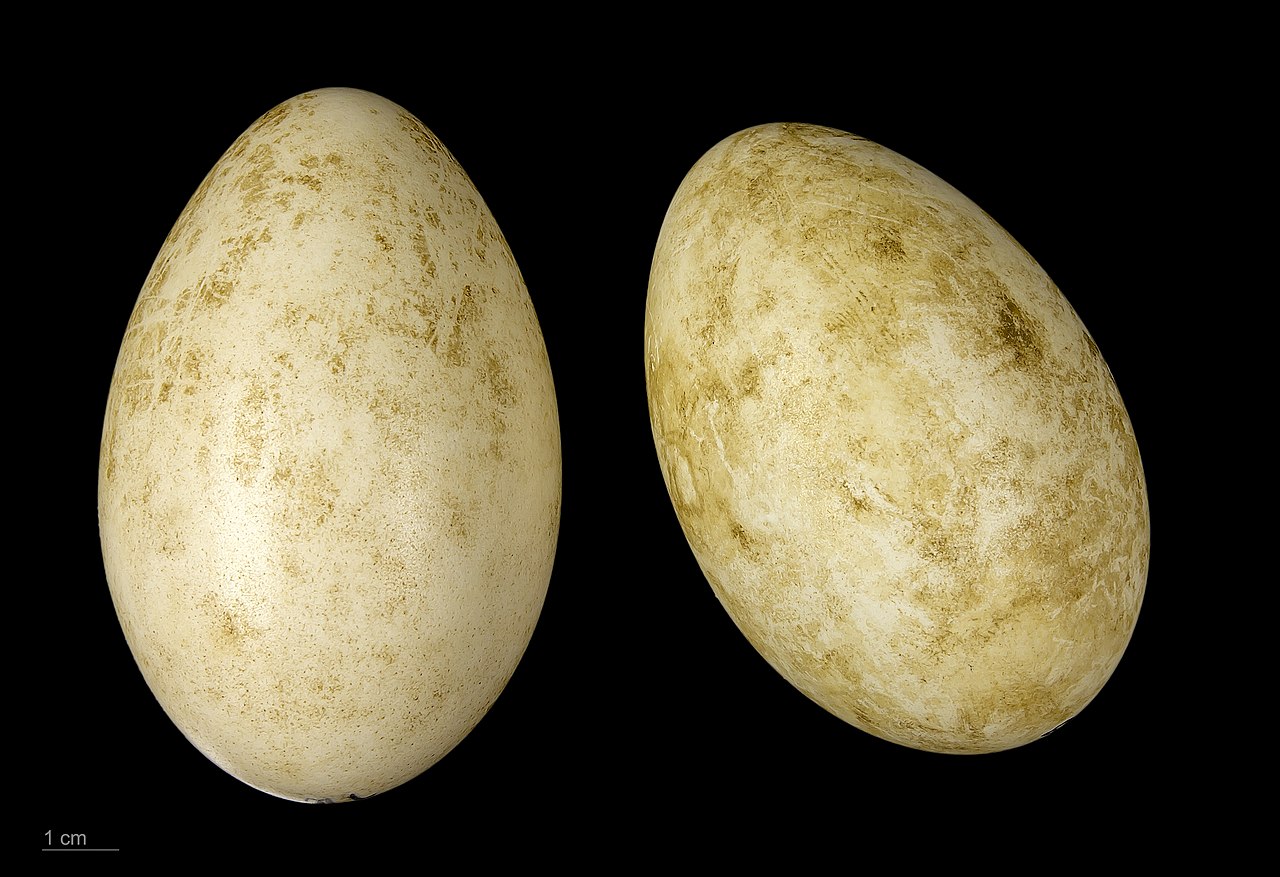
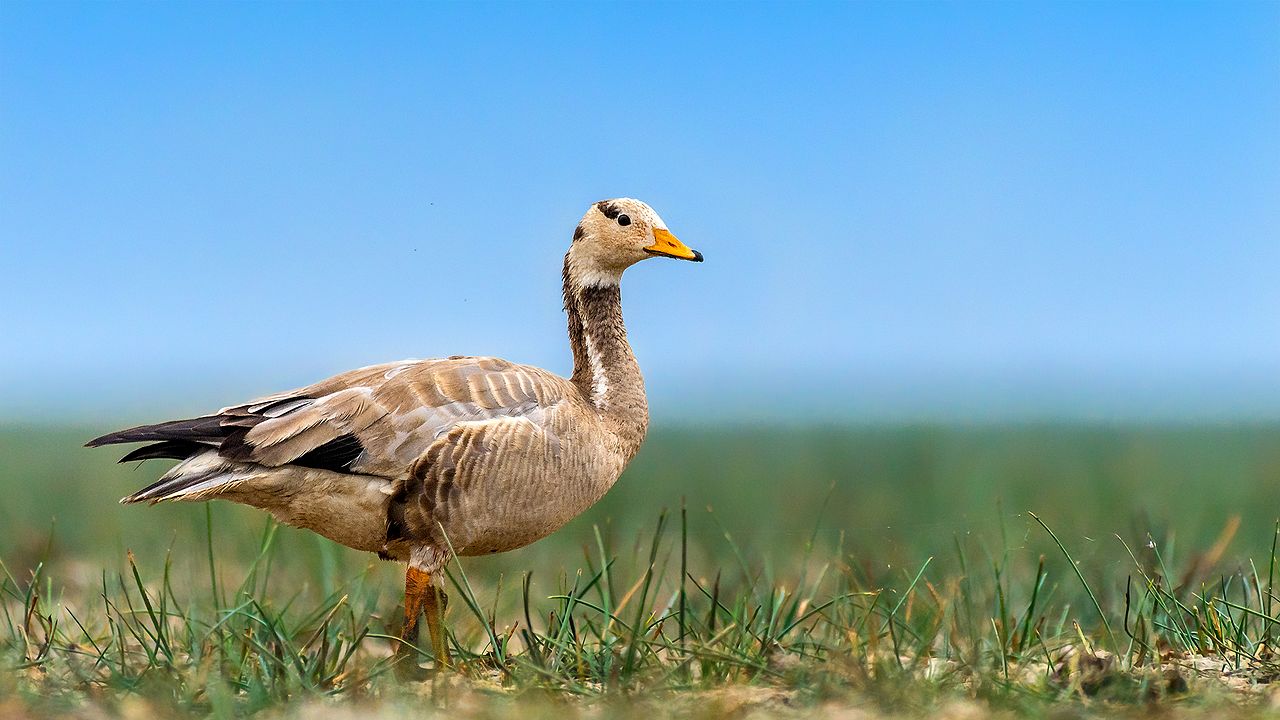
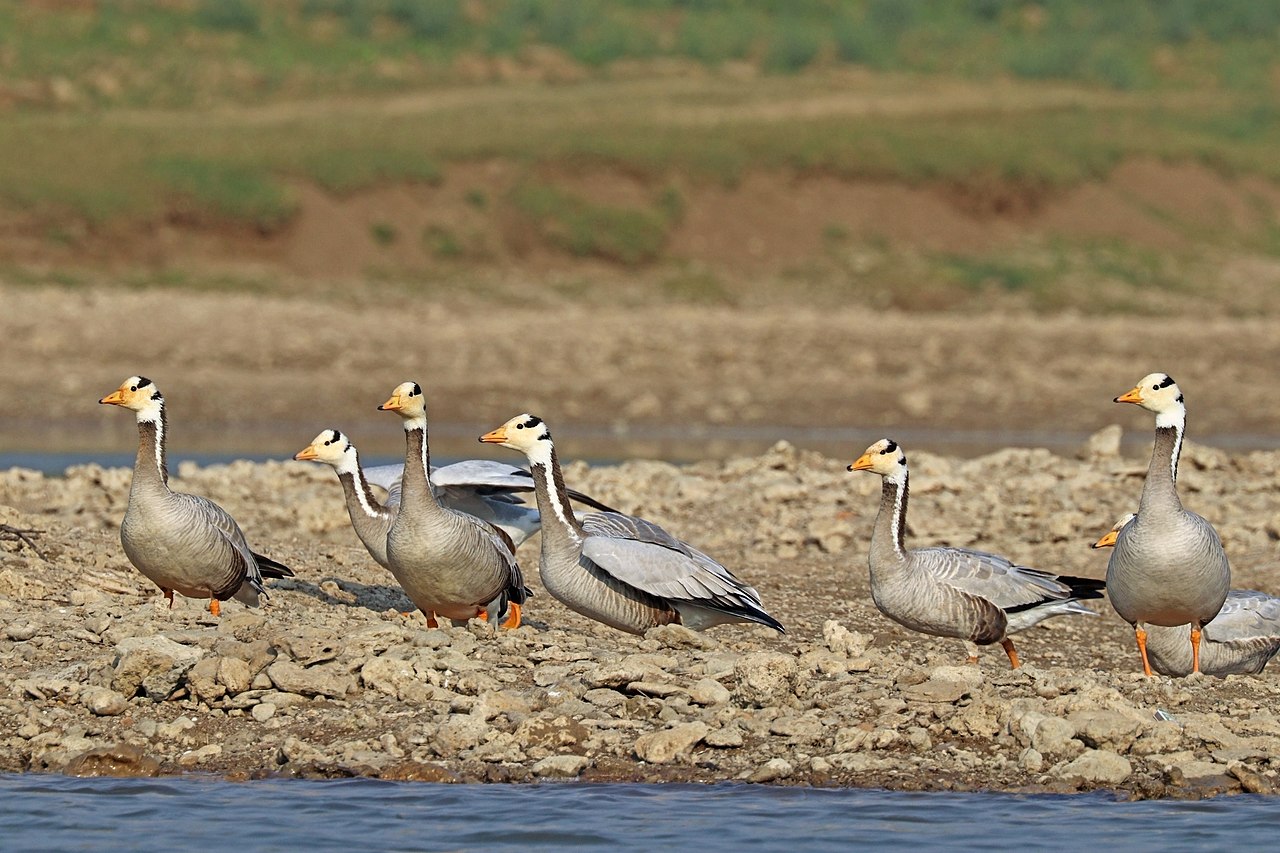
The bar-headed goose (Anser indicus) is a migratory waterfowl known for flying at extreme altitudes. It is a medium- to large-sized goose with pale grey plumage, broad wings, a white face and neck, and two contrasting dark stripes across the back of the head that give the species its common name. The bar-headed goose frequents shallow inland waters and surrounding grasslands.
Image gallery
10 Images





Identification and characteristics
Adults display a light grey body, white facial markings and strong, broad wings suited to long flights. The distinctive paired dark bands across the nape are often described as "bars" and are a key field mark for identification: dark head bars. Like other waterfowl, they have webbed feet and a bill adapted for grazing.
Range, habitat and migration
Breeding populations are concentrated in high-elevation lakes and wetlands of Central Asia. In winter they disperse to lower-altitude wetlands, floodplains and agricultural fields. Typical habitats include wetlands and marshy basins: wetland areas, often in Central Asia. The species is famous for seasonal movements that can cross mountain ranges at very high elevations.
Physiological adaptations
Bar-headed geese possess several adaptations that support flight in low-oxygen, cold conditions. These include efficient breathing mechanics, a circulatory system that supports oxygen delivery, and muscle properties that maintain performance during strenuous, high-altitude flight. These traits have made the species a subject of physiological and ecological research.
Diet, breeding and conservation
The diet is primarily vegetarian: they graze on grasses and forage in croplands. Common food items include grass, wheat, barley and rice. Breeding occurs near water with nests placed on islands or shorelines; pairs defend territories during nesting. Populations face pressures from habitat change, disturbance and hunting in some regions, but their wide range and adaptability mean they are not uniformly threatened.
Notable facts
- Recognized for regular high-altitude flights over mountain ranges.
- Distinctive twin dark bands on the nape aid quick field identification.
- Often studied to understand adaptations to hypoxia and endurance flight.
Questions and answers
Q: Where is the bar-headed goose found?
A: The bar-headed goose is found in wetland areas in Central Asia.
Q: What does the bar-headed goose look like?
A: The bar-headed goose has a light grey body, broad wings, and a white face and neck. It also has two stripes of dark feathers that wrap around the back of its head.
Q: What are the feet of the bar-headed goose like?
A: The feet of the bar-headed goose are webbed, like other geese.
Q: How big can the bar-headed goose get?
A: The bar-headed goose can get up to 2.5 feet long and weigh 6.5 pounds.
Q: What does the bar-headed goose eat?
A: The bar-headed goose eats mainly grass, wheat, barley, and rice.
Q: Why is it called the bar-headed goose?
A: It is called the bar-headed goose because of the two stripes (or "bars") of dark feathers that wrap around the back of its head.
Q: What is the scientific name of the bar-headed goose?
A: The scientific name of the bar-headed goose is Anser indicus.
Tags
Related articles
Author
AlegsaOnline.com Bar-headed goose (Anser indicus) Leandro Alegsa
URL: https://en.alegsaonline.com/art/8831
Sources
- iucnredlist.org : Anser indicus
- icb.oxfordjournals.org : "The physiology and biomechanics of avian flight at high altitude"
- doi.org : 10.1093/icb/icj008
- pubmed.ncbi.nlm.nih.gov : 21672723
- doi.org : 10.1016/j.cbpc.2008.10.047
- doi.org : 10.1107/S0907444901004243
- doi.org : 10.1016/j.cbpc.2008.05.009
- jeb.biologists.org : "Kinematics of hovering hummingbird flight along simulated and natural elevational gradients"
- doi.org : 10.1242/jeb.00540
- pubmed.ncbi.nlm.nih.gov : 12909695