
Homophobia: definition, history, manifestations, and responses
Homophobia is a range of negative attitudes and actions toward gay and lesbian people. This article explains its meaning, origins, common forms, consequences, legal responses, and ways societies address it.
Homophobia describes negative attitudes, prejudice and hostile behavior directed at people who are or are perceived to be gay, lesbian or bisexual. The term covers a spectrum from personal dislike and anxiety to verbal harassment, exclusion and violence. It is often used in policy and human rights discussions alongside related terms such as transphobia and appears in international work on LGBT rights by bodies like the United Nations and the Council of Europe. The word itself was introduced in the 1960s by the psychologist George Weinberg, who sought a label for the aversion and social rejection faced by same-sex attracted people.
Image gallery
10 Images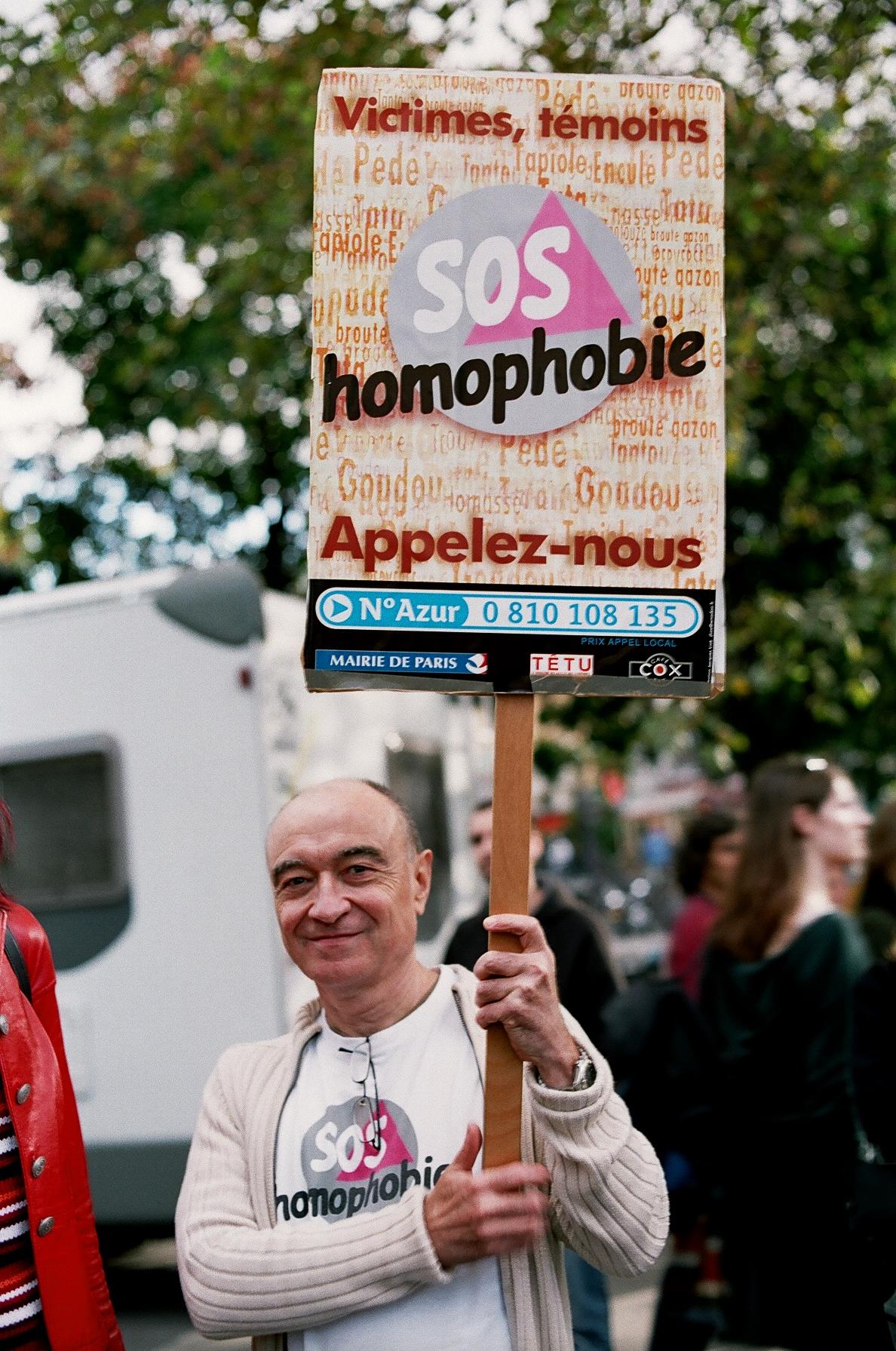


Core characteristics and common forms
Homophobia can take many shapes. At an individual level it can be expressed as internal feelings of fear or hostility, derogatory language, or refusal to associate with someone because of their sexual orientation. At an institutional level it can appear as discriminatory policies or practices that deny services, employment, housing or legal recognition. Criminal violence or targeted attacks are treated in many jurisdictions as hate crimes. Social exclusion and stigmatizing stereotypes are also common manifestations.
History, language and international recognition
After Weinberg coined the term, activists and scholars adopted it as a concise way to name a set of attitudes and actions. Over recent decades, civil society and international actors have framed homophobia as a human rights concern. Annual awareness events such as the Yogyakarta Principles discussions and the International Day Against Homophobia (observed on May 17) have helped focus attention. Campaigns against discrimination have run in multiple countries; for example, public media efforts have been notable in places like Argentina, Brazil, Mexico and Colombia, using mass outreach and mass media to change attitudes.
Consequences and why it matters
Homophobia has wide-ranging effects on individuals and communities. Targeted people may suffer mental health impacts, social isolation, barriers to education and work, and physical danger. Societies that permit discrimination can see reduced civic participation, weakened equality before the law, and poorer public health outcomes. Laws and policies that prohibit discrimination aim to reduce these harms, and some countries have explicit protections for sexual orientation in employment, services and criminal law.
Prevention, education and examples of responses
Effective responses blend law, education and community work. Schools that include accurate information about diverse sexualities, teach the history of people who suffered discrimination, and intervene in bullying have documented success in reducing prejudice and bullying. Activism and public events such as pride parades raise visibility and counter stigma. International declarations like the Declaration of Montreal and principles from human rights groups provide frameworks for policy change. Research and programs also target the underlying social attitudes often described as heterosexism, and seek to counter both overt hostility and subtle exclusion.
Distinctions and notable considerations
- Terminology: a person who holds such attitudes may be called a homophobe, though the term can be used descriptively or pejoratively.
- Overlap: homophobia frequently intersects with other forms of intolerance, including transphobia and racism, complicating experiences and remedies.
- Prevention efforts: community dialogue, anti-bullying curricula and legal protections work best when combined and sustained; studies highlight targeted educational work as a key element in reducing prejudice.
For further reading and resources, many human rights organizations maintain overviews and guides on combating homophobia and supporting LGBT inclusion. Appropriate legal protections and sustained social education are widely regarded as essential to reducing harm and promoting equality.
Links in this article: fear, discrimination, homosexuals, George Weinberg, transphobia, LGBT, UN, Council of Europe, Argentina, Brazil, Mexico, Colombia, mass media, hate crime, Declaration of Montreal, Yogyakarta Principles, prejudice, bullying, heterosexism.
Related articles
Author
AlegsaOnline.com Homophobia: definition, history, manifestations, and responses Leandro Alegsa
URL: https://en.alegsaonline.com/art/44946
Sources
- psychology.ucdavis.edu : "Definitions: Sexual Prejudice, Homophobia, and Heterosexism"
- coe.int : Discrimination on Grounds of Sexual Orientation and Gender Inetity in Europe
- ilga.org : Towards an international Day against Homophobia
- new.paho.org : "Campaigns against Homophobia in Argentina, Brazil, Colombia, and Mexico"
- guardian.co.uk : "Lessons on gay history cut homophobic bullying in north London school"