
Bullying: types, impacts, prevention, and the role of bystanders
An overview of bullying: forms, typical behavior patterns, effects on targets and communities, historical context, prevention strategies, legal responses, and guidance for bystanders and institutions.
Bullying is a pattern of aggressive behavior in which an individual or group intentionally harms, intimidates, or exerts power over another person who is perceived as vulnerable. It can occur in schools, workplaces, online, and in other social settings. Bullies may use repeated verbal, physical, social, or technological means to control or belittle their targets. The behavior is distinguished from ordinary conflict by its intentionality, repetition, and power imbalance.
Image gallery
3 Images

Common forms and characteristics
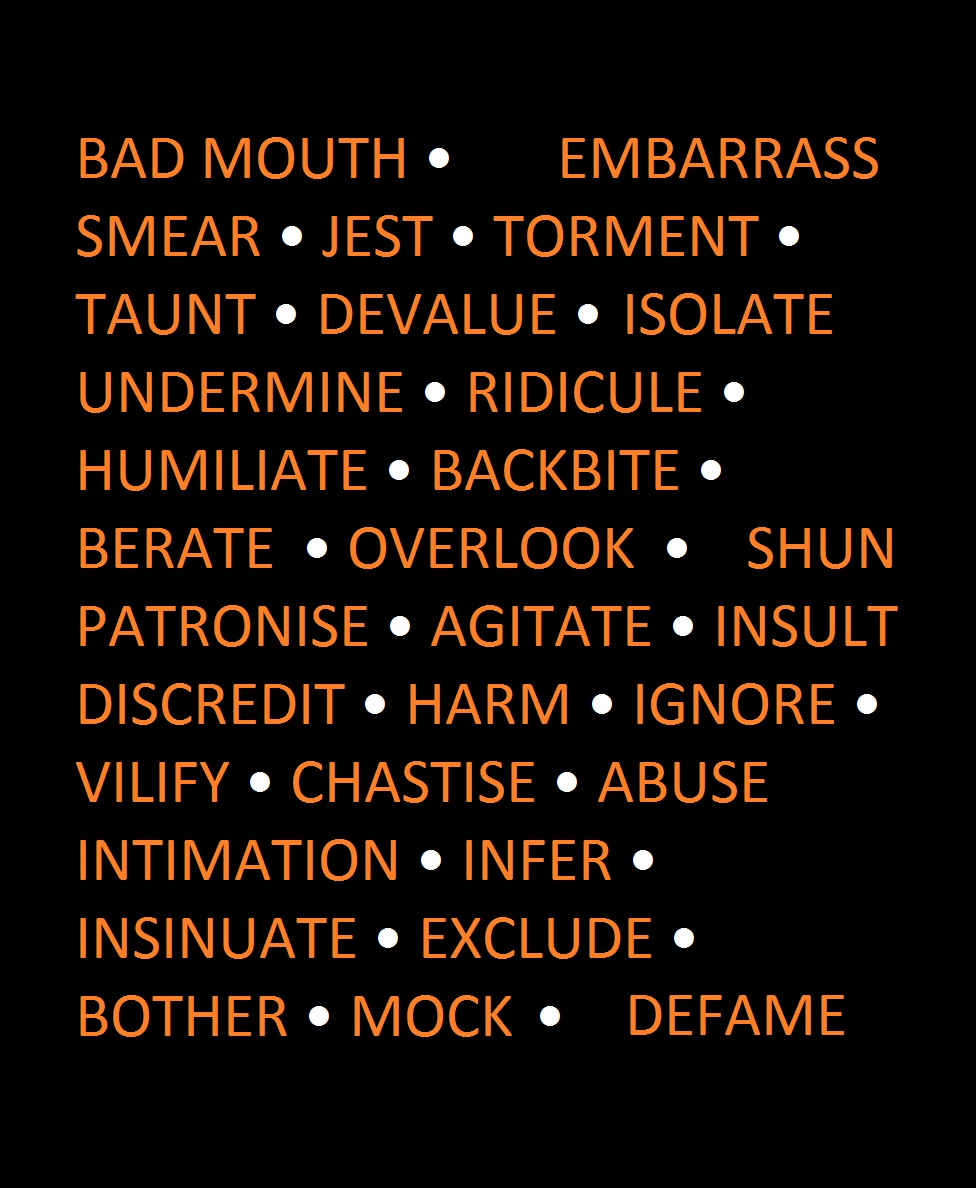
Bullying takes several recognisable forms. Physical bullying includes hitting, pushing, or damaging property. Verbal bullying covers insults, threats, name-calling, and derogatory jokes. Social or relational bullying aims to exclude, spread rumours, or undermine a person’s social standing. Cyberbullying uses electronic communication—messaging, social media, or image-sharing—to harass, shame, or embarrass someone. A situation may involve more than one form at once, and patterns can be subtle and hard to detect.
- Repetition: incidents happen multiple times or threaten repeated harm.
- Power imbalance: the bully has greater social, physical, or digital control.
- Intentional harm: actions are meant to cause distress or domination.
Origins, research, and historical context
The word "bully" has a long linguistic history, but the modern study of bullying as a social and psychological phenomenon developed in the mid‑20th century, primarily through research into childhood peer relations. Over the decades, scholars expanded the focus from playground aggression to include workplace harassment, intimate partner abuse, and online harms. Increasing attention to cyberbullying reflects the rise of digital platforms that can amplify reach and make harmful content persistent.
Researchers often emphasise three roles present in bullying situations: the perpetrator(s), the target, and bystanders. Bystanders who intervene constructively can reduce the harm, while passive observers or those who encourage the bully contribute to its persistence. Institutions such as schools and employers are now commonly urged to adopt clear policies and training to prevent and respond to bullying; many jurisdictions have enacted or proposed legal measures to address severe or repeated abuse.
Examples of institutional responses include school anti-bullying programs, workplace harassment policies, and community awareness campaigns. Practical prevention measures often combine clear rules, consistent enforcement, social-emotional learning, and support for targets. For resources aimed at educators, administrators, or program designers see school staff resources. For information about legal frameworks and rights, consult summaries of anti-bullying laws.
Impact and responses
Bullying can produce immediate distress—fear, anxiety, social withdrawal, and physical injury—and can contribute to longer-term effects such as lowered self-esteem, academic or job difficulties, and mental health problems. Because the consequences extend beyond the individuals directly involved, bullying can damage classroom climates, workplace morale, and community trust.
Constructive responses include documenting incidents, seeking support from trusted adults or supervisors, and using formal complaint channels when necessary. Bystanders can help by safely intervening, supporting the target, telling a responsible adult, or reporting anonymous tips if available. Prevention at the community level typically combines education, policy, supervision, and restoration-focused practices that repair harm while holding people accountable.
Notable distinctions and cautions
Not every conflict is bullying. Single, mutual, or accidental disputes differ from bullying’s typical pattern of repeated, one-sided harm driven by power differences. Effective anti-bullying efforts balance protection for targets with fair processes for alleged perpetrators, aiming to change behaviour and restore healthy relationships rather than only to punish. Awareness, early intervention, and supportive environments remain central to reducing the incidence and impact of bullying across all ages and settings.
Questions and answers
Q: What is bullying?
A: Bullying is repeatedly hurting or intimidating specific people who are considered weaker.
Q: Who are bullies?
A: Bullies are the people who bully other people.
Q: Can a group of people be bullied?
A: Yes, anybody can be bullied, even a group of people.
Q: What forms does bullying take?
A: Bullying does not always mean hitting people; it can also be things that people say or do. It's also bullying when other people hide it from those who can help (teachers, bosses), when other people see it but ignore it, or when a person helps the bully to do it without getting in trouble.
Q: How can we stop bullying?
A: School teachers and staff have tried to learn ways to stop bullying. However, bullying can be easy to hide so some countries and regions have laws against it as well.
Q: Is there any way for bystanders to help make a bad situation better?
A: Yes, when people who see bullying know what to do and they do it, they can help make a bad situation better.
Related articles
Author
AlegsaOnline.com Bullying: types, impacts, prevention, and the role of bystanders Leandro Alegsa
URL: https://en.alegsaonline.com/art/15277
Sources
- simple.wiktionary.org : headlines
- stopbullying.gov : stopbullying.gov/bullying/what-is-bullying
- books.google.com : Axelrod & Cooper's Concise Guide to Writing, p. 333
- books.google.com : Martin Luther King, Jr.: Nonviolent Strategies and Tactics for Social Change, p. 227
- nydailynews.com : "Victims of Lance Armstrong's strong-arm tactics feel relief and vindication in the wake of U.S. Anti-Doping Agency report,"
- slate.com : "Lance Armstrong Was a Bully—and That Hardly Covers It,"
- cnn.com : "7 lessons Lance Armstrong's confession has taught us,"
- nytimes.com : "How Lance Armstrong's Wall Fell, One Rider at a Time,"
- rcpsych.ac.uk : "On Bullying and Harassment"
- antibullying.novascotia.ca : "What to do if you are being bullied | Anti-bullying Web site"
- mentalhealthamerica.net : "Bullying: What To Do If I'm Bullied"
- legislation.gov.uk : "Education and Inspections Act 2006"