
Fourth generation video game consoles (16-bit era)
Overview of the fourth generation (16-bit) consoles: key systems, technical advances, major franchises, handhelds like the Game Boy, market dynamics, and legacy leading into the 32‑bit era.
The fourth generation of video game consoles, commonly called the 16‑bit era, marks a major step in home and handheld gaming. It is generally dated from the late 1980s and is often said to have begun on October 30, 1987 — a useful chronological anchor for the era's hardware and software developments. Start date reference. This period brought sharper graphics, richer sound, and more complex game designs than previous 8‑bit systems.
Image gallery
10 Images
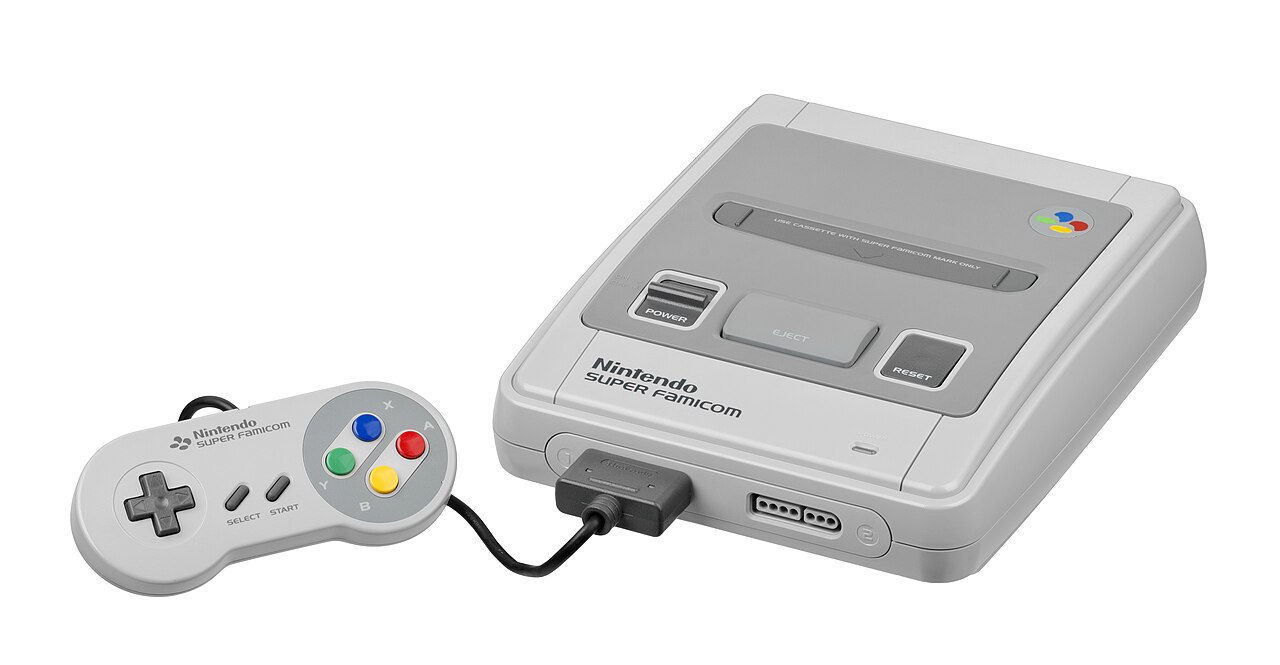


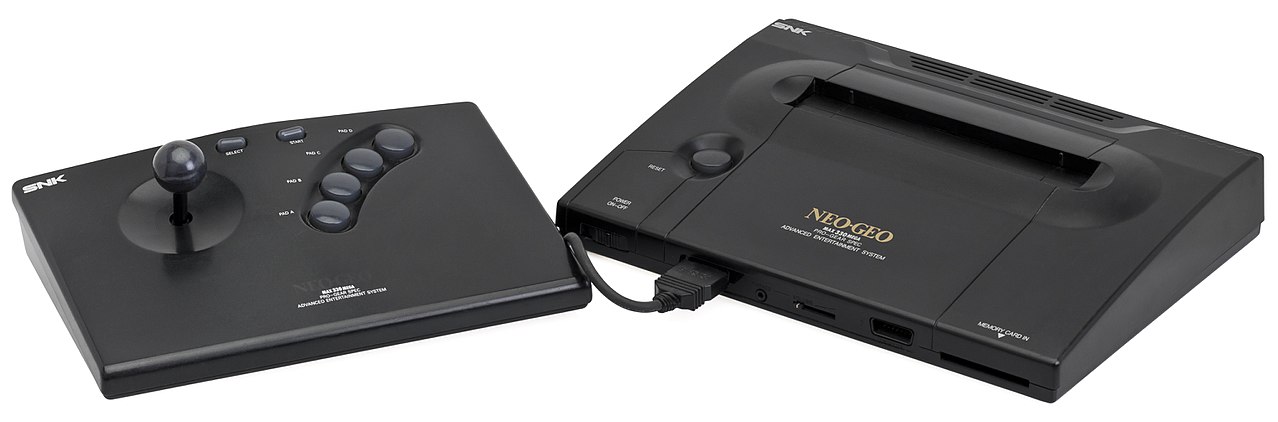

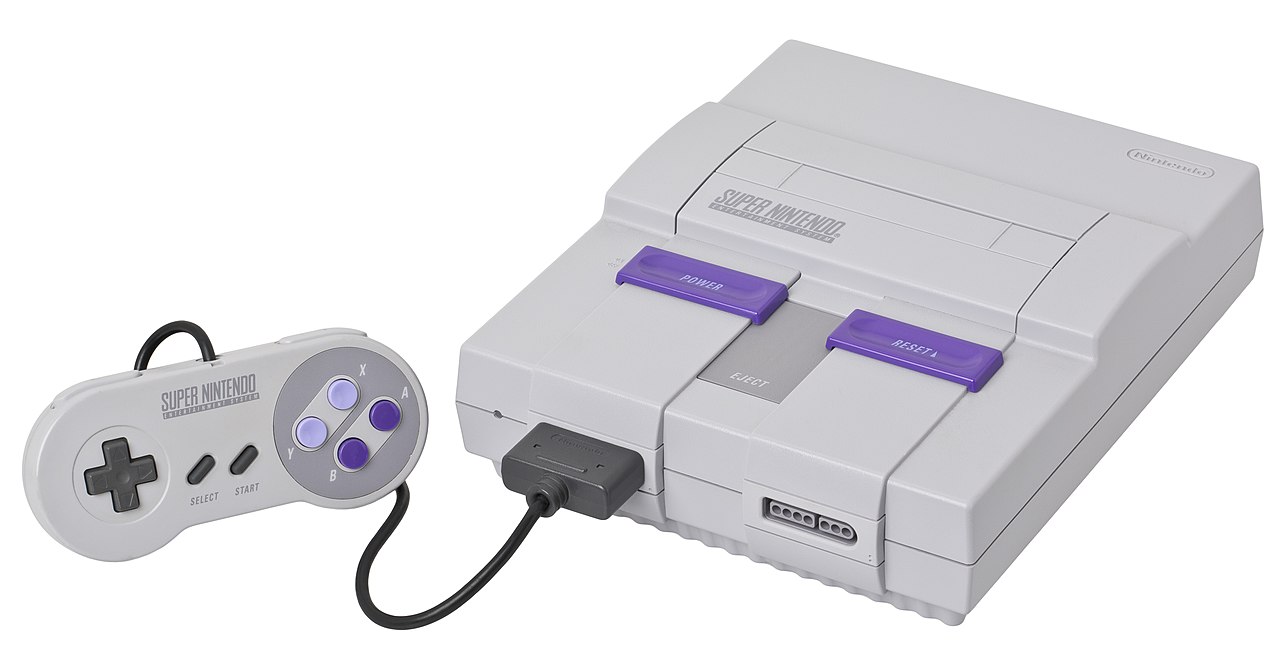


Core characteristics and notable systems
Hardware in this generation used 16‑bit central processors, more sprites and larger palettes, dedicated sound chips, and advanced scrolling effects. Different manufacturers emphasized different strengths: Nintendo focused on tight platforming and first‑party software, while Sega competed on speed, arcade ports, and marketing. In many markets Nintendo captured the largest share of sales and mindshare, a trend sometimes summarized as Nintendo market leadership. Other entrants included NEC's PC Engine/TurboGrafx‑16, which launched the generation in Japan, and SNK's Neo Geo, a higher‑end cartridge system that aimed to reproduce arcade quality at home (Neo Geo, SNK).
Hardware add‑ons, display and sound
Manufacturers extended base consoles with CD add‑ons and other peripherals that provided more storage for full‑motion video and Redbook audio. Graphics techniques such as hardware scaling and rotation (famously exploited by some systems) and richer background layers allowed more dynamic scenes. These advances supported larger levels, more varied character animation, and improved music and voice samples compared with the previous generation.
Handhelds and breakthrough titles
The handheld market matured during this era. The first prominent handheld of the fourth generation was Nintendo's Game Boy system — released as the Game Boy in 1989 — which became the most commercially successful portable despite its monochrome display (no color screen) and relatively modest hardware. The Game Boy gained broad appeal through a strong software lineup that included puzzle and franchise hits such as Tetris, early entries that led to Kirby, and later phenomenons that would reshape the industry.
Franchises, genres and software impact
Many enduring series either continued from earlier generations or debuted in influential new forms. Platformers and action adventures persisted with entries in the Mario lineage and Metroid, while new or evolving names included Sonic the Hedgehog (created so Sega could rival Nintendo), Kirby, and major role‑playing series such as Dragon Quest and Final Fantasy. Fighting games and arcade ports also prospered, with franchises like Donkey Kong and numerous arcade conversions appearing across systems.
Market competition, regional differences and legacy
Competition in this generation was often regional: certain consoles sold better in Japan, others in North America or Europe. Sega mounted aggressive campaigns and occasional hardware add‑ons to capture market share; Nintendo relied on first‑party staples and tighter quality control. Although many companies tried to enter the market, only a few systems achieved lasting commercial success. The generation set technical and design foundations for RPG storytelling, sprite animation, and multiplayer fighting games, and it directly paved the way to the next era of 32‑ and 64‑bit systems — the generation that would substantially change developer ambitions and production values. Next generation link.
- Early launch and leading consoles: launch date, Game Boy, Nintendo, Sega.
- Notable franchises and influences: Sonic, Mario, Metroid, Final Fantasy.
- Special mentions: Neo Geo by SNK, handheld innovations (first handheld reference), and puzzle hits such as Tetris.
Questions and answers
Q: What was the first fourth-generation console released?
A: The first fourth-generation console released was Nippon Electric Company's (NEC) PC Engine.
Q: Who dominated the fourth generation of video game consoles?
A: Nintendo and Sega dominated the fourth generation of video game consoles.
Q: What new franchise did Sega introduce in this generation?
A: Sega introduced a new franchise called Sonic the Hedgehog in this generation.
Q: What was the first handheld game console released in this generation?
A: The first handheld game console released in this generation was the Game Boy, on April 21, 1989.
Q: What were some of the popular franchises that started during this generation?
A: Some of the popular franchises that started during this generation include Mario, Metroid, Zelda, Star Fox, Kirby, Dragon Quest, Final Fantasy, Seiken Densetsu (Secret of Mana), Sonic the Hedgehog, Donkey Kong, Street Fighter, Mortal Kombat and Mega Man X.
Q: How did Nintendo become successful in this generation?
A: Nintendo became successful by becoming the largest worldwide market share holder in this fourth-generation.
Q: How did Sega compete with Nintendo's Mario series of games?
A:Sega competed with Nintendo's Mario series by introducing their own franchise - Sonic The Hedgehog.
Related articles
Author
AlegsaOnline.com Fourth generation video game consoles (16-bit era) Leandro Alegsa
URL: https://en.alegsaonline.com/art/44513
Sources
- wii.ign.com : "Bonk's Adventure Virtual Console Review - Wii Review at IGN"
- youtube.com : Sonic the Hedgehog GameTap Retrospective Pt. 3/4
- next-gen.biz : "The Nintendo Years"
- gamepro.com : "The 10 Worst-Selling Consoles of All Time"
- nintendo.com : "Super NES" · web.archive.org
- nytimes.com : "Sega Enterprises Pulls Its Saturn Video Console from the U.S. Market"
- islandnet.com : "Chronology of Sega Video Games 1952-1993"
- jogos.uol.com.br : "Vinte anos depois, Master System e Mega Drive vendem 150 mil unidades por ano no Brasil"
- gamehall.uol.com.br : "A História do Mega Drive"
- gamepro.com : "The 10 Worst-Selling Handhelds of All Time"
- gamepro.com : "The 10 Worst-Selling Consoles of All Time"