
Fifth generation video game consoles (1993–2003)
Overview of the fifth generation (32/64‑bit) consoles: key home systems, handhelds, technical innovations (3D, CD‑ROM), market outcomes, notable games and long‑term legacy including preservation and emulation.
Overview
The fifth generation of home video game consoles, commonly called the 32‑bit/64‑bit or 3D generation, marked a decisive shift from sprite‑based 2D design to polygonal 3D graphics and wider use of optical media. The era is usually dated from the early 1990s (around 1993) through the late 1990s, with commercial influence for some systems extending into the early 2000s. It is notable for bringing 3D gameplay and CD‑based audio and video to mainstream audiences, and for reshaping publisher and developer relationships with platform holders.
Image gallery
10 Images




Principal home systems
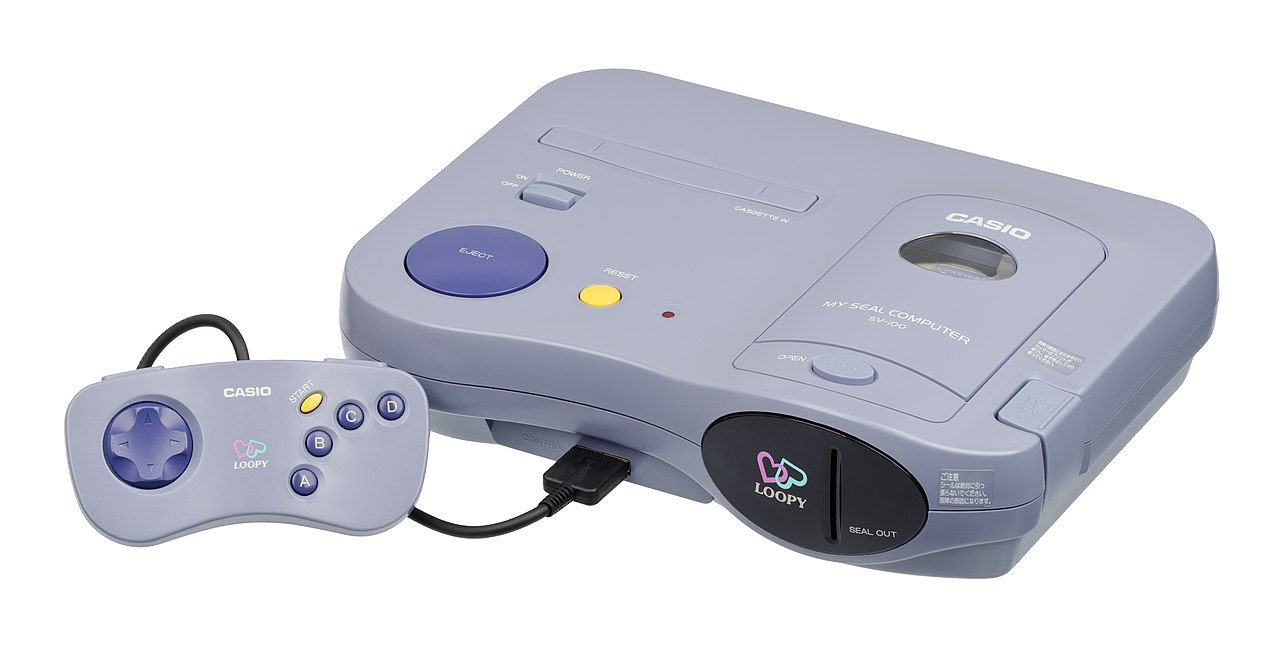
A small group of consoles dominated the generation in most markets. Sega’s Saturn and Sony’s first console—released as the PlayStation from Sony—arrived in the mid‑1990s, and Nintendo released the cartridge‑based Nintendo 64 in 1996. Each system represented different design priorities: Sega prioritized arcade ports and strong 2D performance, Sony emphasized CD‑ROM distribution and developer tools, while Nintendo focused on first‑party franchises and low‑latency cartridges. Several other platforms, including the 3DO, the Atari Jaguar, the Amiga CD32 and NEC’s PC‑FX, attempted to compete but achieved only limited uptake.
Technical innovations
Key technical themes included hardware transform‑and‑lighting, texture mapping, z‑buffering and dedicated 3D pipelines. CD‑ROM media offered larger storage for audio, full‑motion video and voice acting, but also introduced longer load times and different production costs. Cartridge‑based systems like the Nintendo 64 traded capacity for faster access times and simpler anti‑piracy controls. During this period the marketing emphasis on numeric "bits" (the CPU word size) began to fade as developers and players focused on memory, graphics features and content rather than raw bit ratings; see also basic CPU concepts for context.
Notable games and genres
The generation produced landmark 3D titles that defined modern genres and techniques. Platformers, racers, simulators and early open‑world designs moved to three dimensions. Developers experimented with camera control, level design for 3D spaces and cinematic presentation. Strong first‑party franchises—particularly from Nintendo—helped sustain brand loyalty, while Sony’s platform attracted a wide array of third‑party studios because of its developer support and CD‑based economics.
Handhelds and portable experiments
Handheld efforts in this era included ambitious but commercially limited machines such as Sega’s Nomad and Nintendo’s Virtual Boy. The Nomad played Genesis cartridges on the go but suffered from battery drain and cost; the Virtual Boy attempted a stereoscopic display but faced ergonomic and market issues. Meanwhile, Nintendo continued the long‑running Game Boy line and introduced the Game Boy Color, alongside regional hardware variants such as the Japan‑only Game Boy Light and the smaller Game Boy Pocket. These incremental handheld updates emphasized backward compatibility, strong batteries and extensive libraries, and they remained commercially successful compared with many experimental portable devices.
Market dynamics and regional variation
Sales and popularity varied by region. The PlayStation became the best‑selling console of the generation globally, benefiting from robust third‑party support and an expansive catalogue. The Sega Saturn performed relatively well in Japan but struggled elsewhere, in part due to high launch prices and complex hardware. Nintendo’s Nintendo 64 dominated in first‑party titles but lost some third‑party support because of cartridge costs and publishing decisions. Less successful systems—like the Jaguar and 3DO—often suffered from weak libraries, high costs or confusing marketing (for example, disputed "64‑bit" claims).
Emulation, piracy and preservation
The fifth generation coincided with the rise of home Internet access and early emulation communities. As connectivity improved, archived game images and saved data began to circulate, raising legal and preservation debates. The appearance of downloadable ROM and tape images and the increasing prominence of emulators prompted later platforms to offer authorized reissues and digital storefronts. These developments shaped how subsequent generations approached legacy content and copyright management, and they highlighted tensions between preservation and intellectual property enforcement; archival concerns also touched on the distribution of tape and other media formats.
Legacy and influence
Technically and culturally, the fifth generation set many precedents: 3D game design became mainstream, cinematic audio and FMV were explored widely, and CD distribution altered production models. Business practices—such as third‑party publishing relationships and platform licensing—evolved in reaction to the successes and failures of the era. Later console families built on these lessons, and the generation’s most influential titles and mechanics continue to be studied and reissued through official retro initiatives and marketplaces into the seventh generation and beyond. The growth of the Internet further ensured that both legal re‑releases and unofficial emulation would remain central to access and preservation debates.
Representative systems and summary
- PlayStation — Sony’s first console; broad third‑party support and mass appeal.
- Sega Saturn — Strong 2D performance and complex 3D architecture.
- Nintendo 64 — Cartridge format with influential first‑party 3D titles.
- 3DO, Atari Jaguar, Amiga CD32, PC‑FX — Examples of competing platforms that failed to reach comparable market share.
- Handhelds: Virtual Boy, Sega Nomad and Nintendo’s Game Boy Color/Game Boy variants, including the Game Boy Light.
For additional context, readers may consider basic CPU concepts, the historical influence of the Internet on distribution, and technical and legal questions around download practices and the handling of legacy tape and ROM media. The fifth generation remains a pivotal chapter in gaming history for its technical transitions and its lasting effects on how games are made, sold and preserved.
Questions and answers
Q: What was the fifth generation of video game consoles?
A: The fifth generation of video game consoles began in 1993 and ended in 2003. It was also called the 32-bit, 64-bit or the 3D generation of video game consoles.
Q: What were some of the most popular video game consoles during this era?
A: The most popular video game consoles during this era included the Sega Saturn (1994), Sony PlayStation (1994), and Nintendo 64 (1996).
Q: How successful were handhelds during this time period?
A: Handhelds were not very successful during this time period. The first handheld, Sega Nomad had a lifespan of two years and Virtual Boy only had less than one year before they were discontinued. Nintendo's Game Boy Color became the best-selling handheld console of the fifth generation.
Q: What did "bits" refer to in console names?
A: In console names, "bits" referred to the CPU word size. It had been used by hardware marketers as a "show of power" for many years.
Q: How did emulation affect gaming in this era?
A: Emulation increased significantly in this era due to development of the Internet which made it possible to save and download tape and ROM images of older games. This led seventh generation consoles to make many older games available for purchase or download.
Q: What other systems were part of this generation besides those that were successful?
A: Other systems that were part of this generation but weren't very successful included 3DO, Atari Jaguar, Amiga CD32, PC-FX and others.
Related articles
Author
AlegsaOnline.com Fifth generation video game consoles (1993–2003) Leandro Alegsa
URL: https://en.alegsaonline.com/art/44511
Sources
- gamefaqs.com : "System List"
- gamepro.com : "The 10 Worst-Selling Consoles of All Time"
- eurogamer.net : "A complete history of Nintendo console launches"
- replay.web.archive.org : "Japan Platinum Game Chart"
- asia.playstation.com : "Gran Turismo Series Shipment Exceeds 50 Million Units Worldwide"
- polyphony.co.jp : ""Gran Turismo" Series Software Title List"
- gamecubicle.com : "Mario sales data"
- ownt.com : "All Time Top 20 Best Selling Games"
- scei.co.jp : "PlayStation Cumulative Production Shipments of Hardware"
- nintendo.com : "05 Nintendo Annual Report - Nintendo Co., Ltd"
- wired.com : "Console Portraits: A 40-Year Pictorial History of Gaming"